
Jodhpur
The Blue City's azure walls, the mighty ramparts of Mehrangarh, and the enduring spirit of the Rathores.
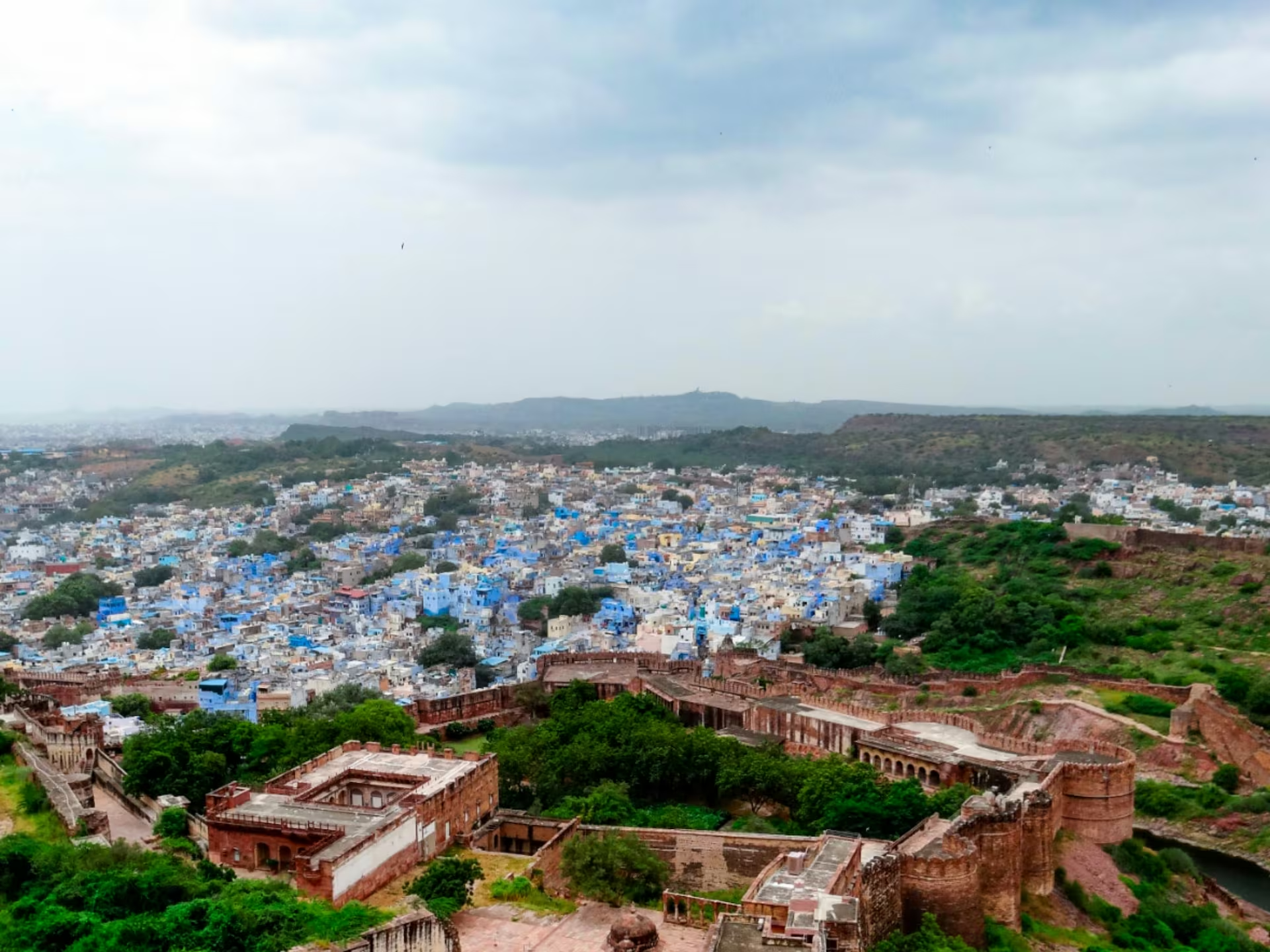
The Blue City of Forts, Palaces, and Desert Legends
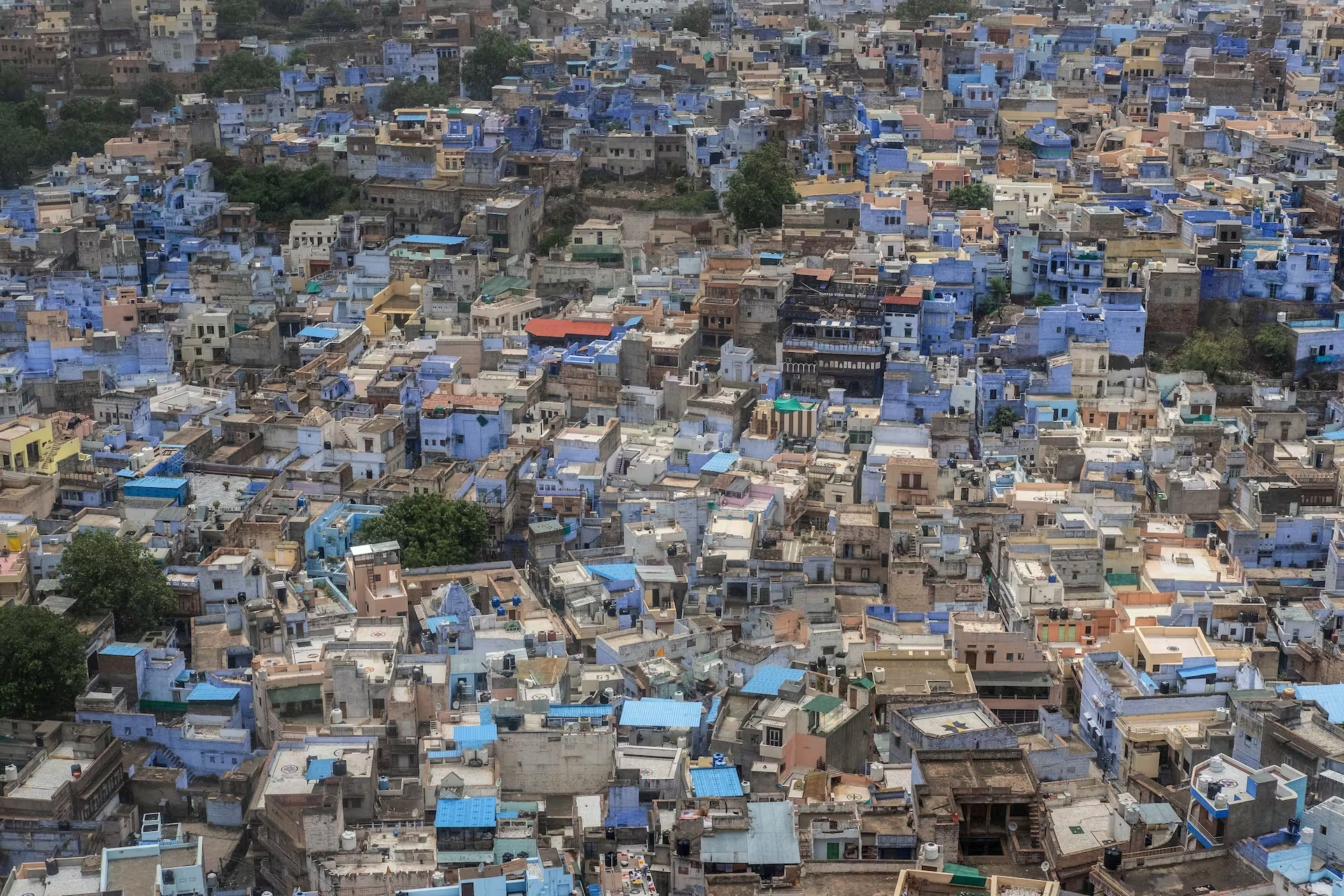
Jodhpur is Rajasthan's second-largest city and one of India's most striking destinations. Known as the Blue City for its sea of indigo-washed houses, it is home to the towering Mehrangarh Fort, elegant palaces, bustling bazaars, sacred shrines, vibrant festivals, and proud Marwar heritage. From the imposing ramparts of Mehrangarh overlooking the old city to the golden expanse of the Thar Desert beyond, every corner of Jodhpur tells a tale of valour and tradition. Whether you are wandering the narrow blue lanes, exploring the City Palace at Umaid Bhawan, or haggling in the spice and textile markets, Jodhpur offers an unforgettable blend of history, culture, and desert charm.
Top places to visit in Jodhpur
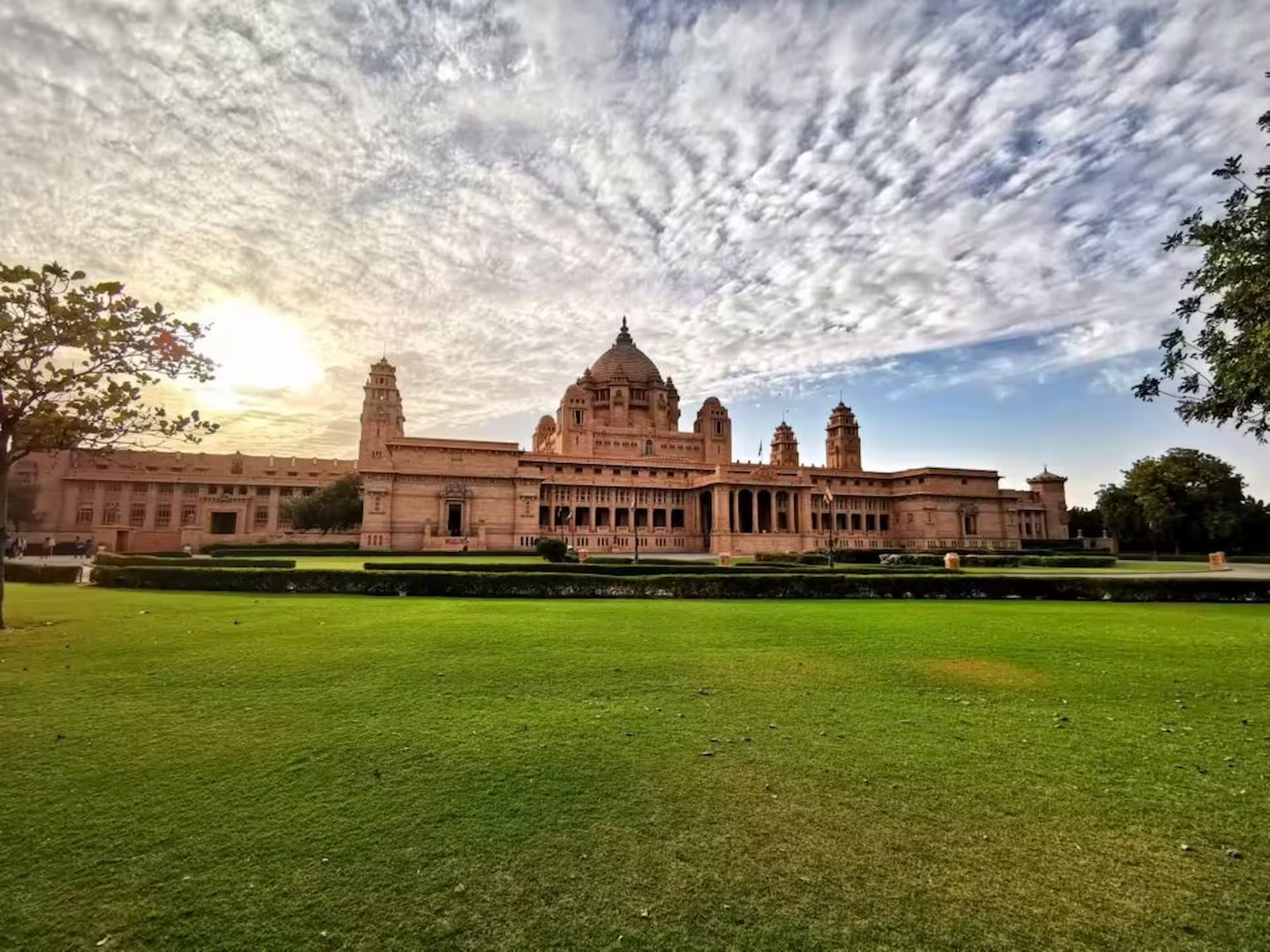
Umaid Bhawan Palace
A magnificent blend of Art Deco and Rajput style, still home to the royal family.
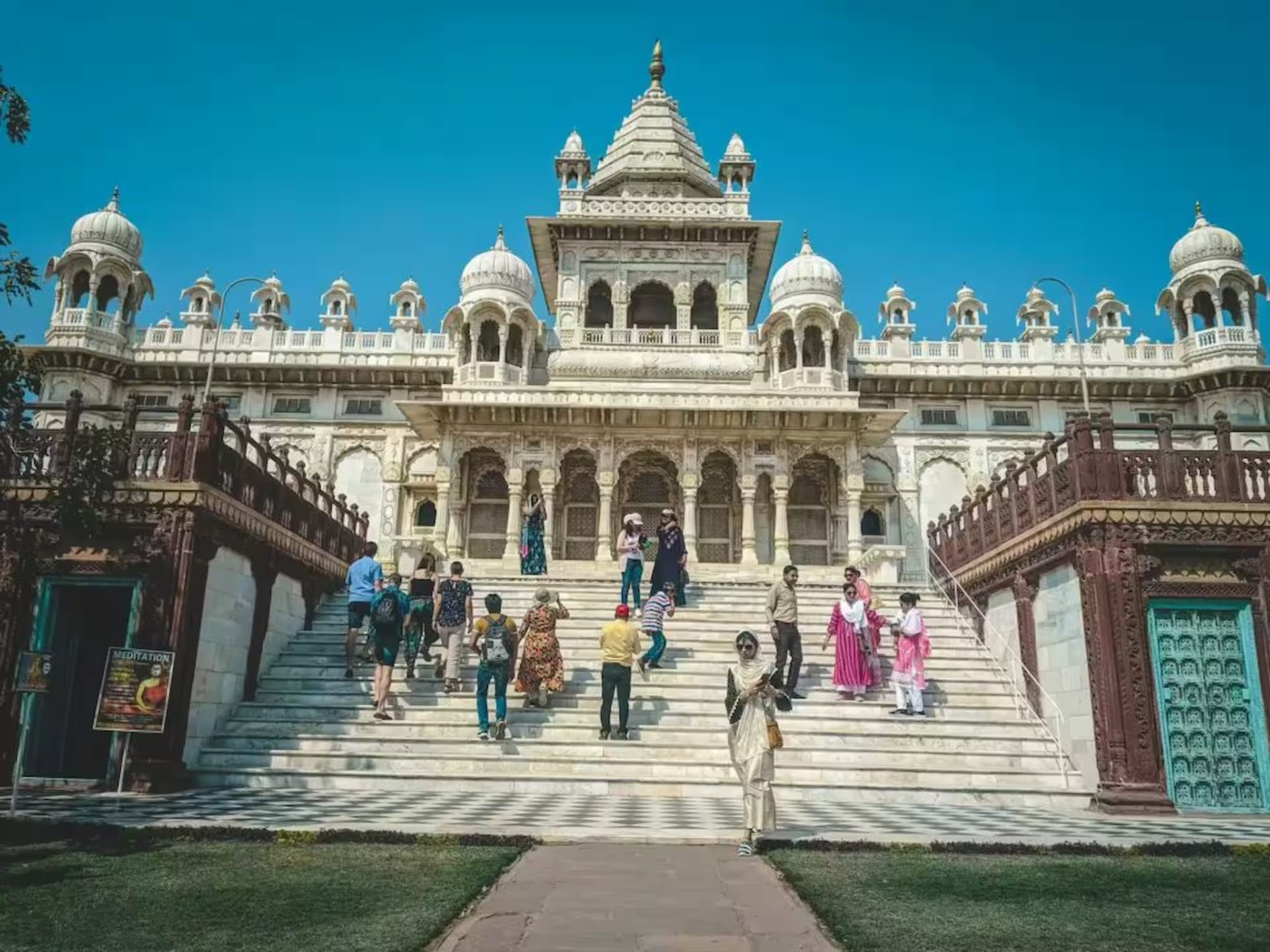
Jaswant Thada
A serene white marble cenotaph, often called the "Taj Mahal of Marwar."
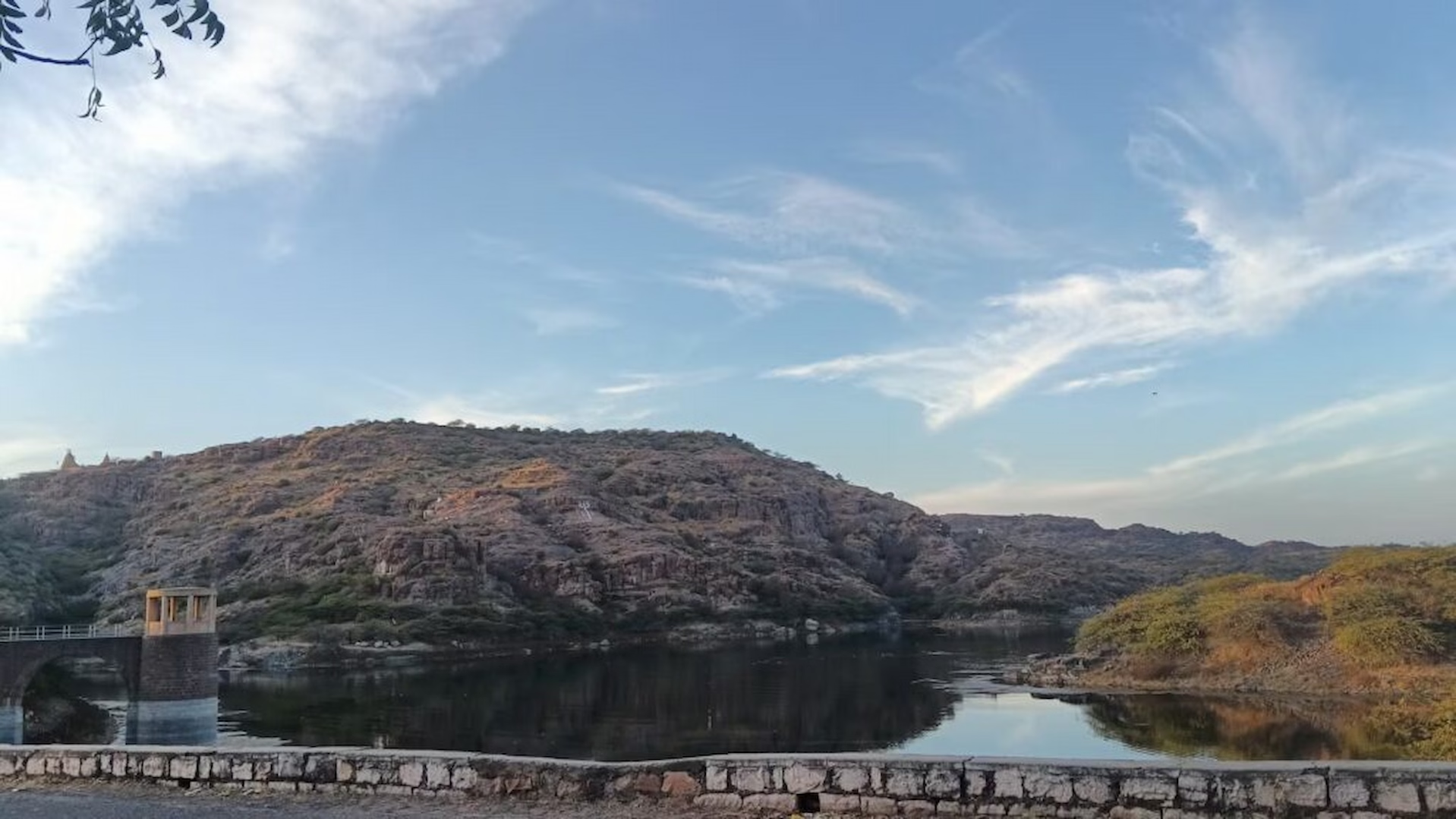
Kaylana Lake
A tranquil man-made lake fringed by hills, perfect for a peaceful evening escape.
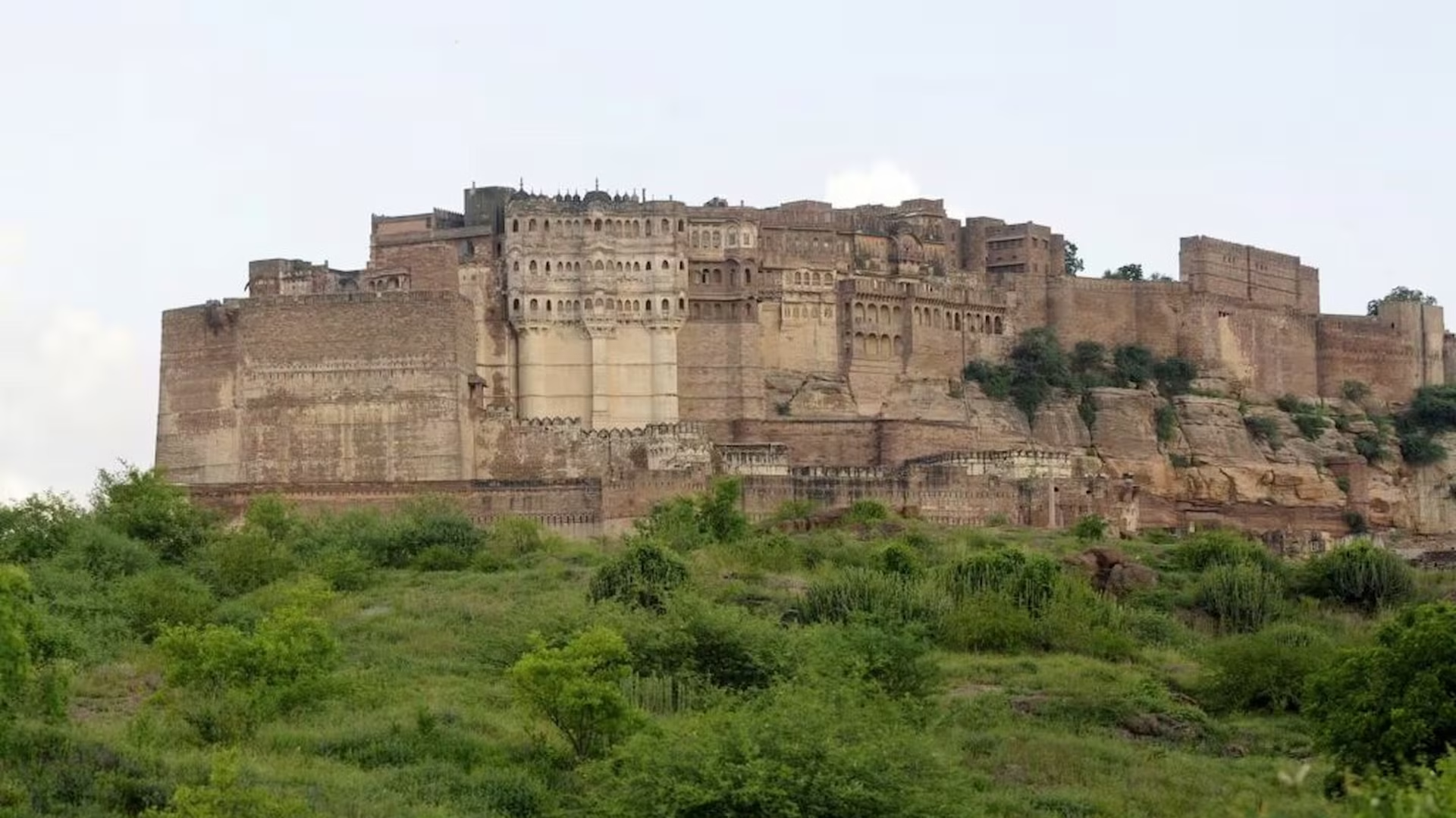
Rao Jodha Desert Rock Park
A unique eco-restoration park showcasing Jodhpur's native desert flora amid dramatic rocky terrain.
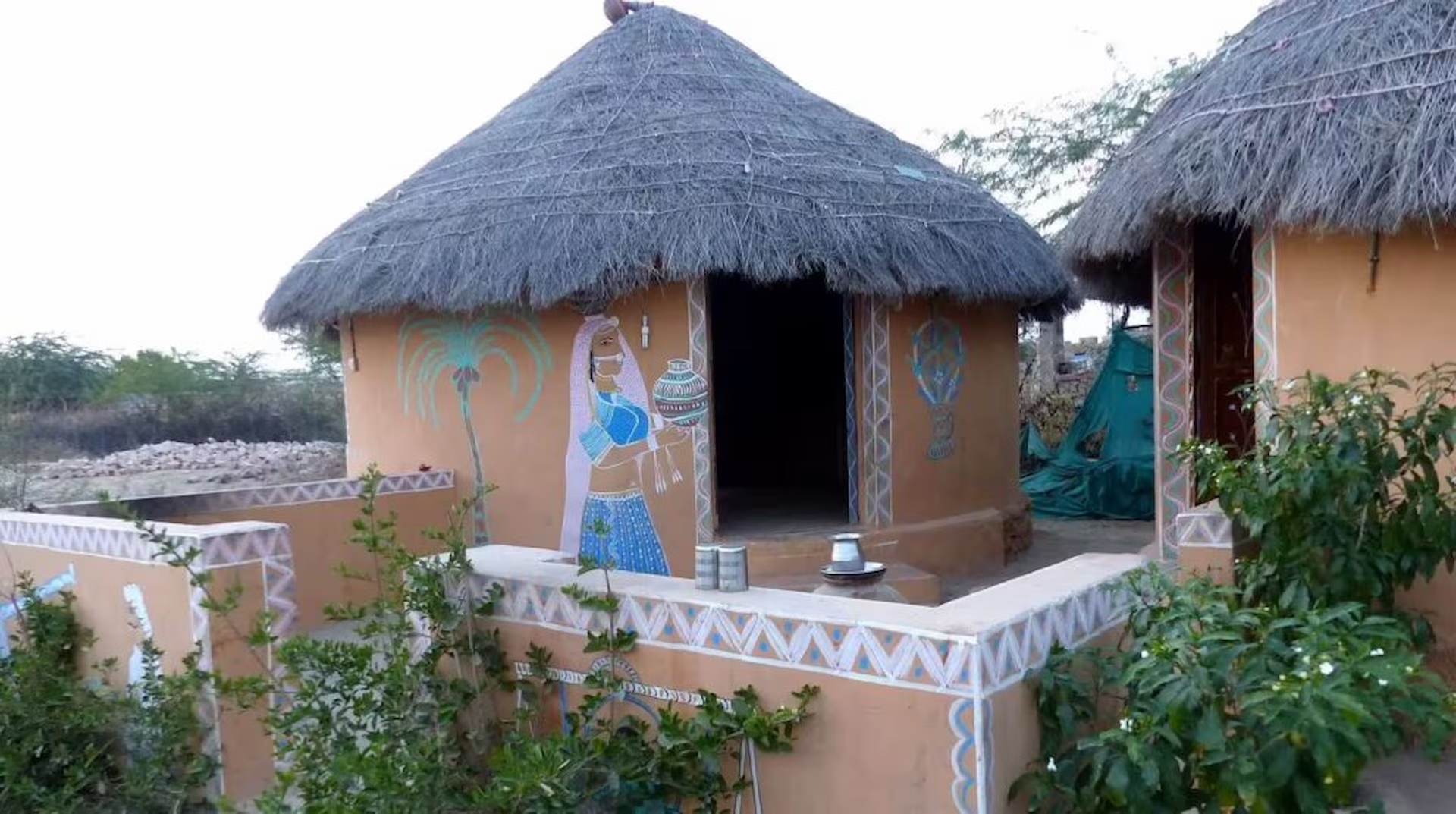
Bishnoi Village Safari
An immersive rural experience revealing the traditions and wildlife conservation ethos of the Bishnoi community.
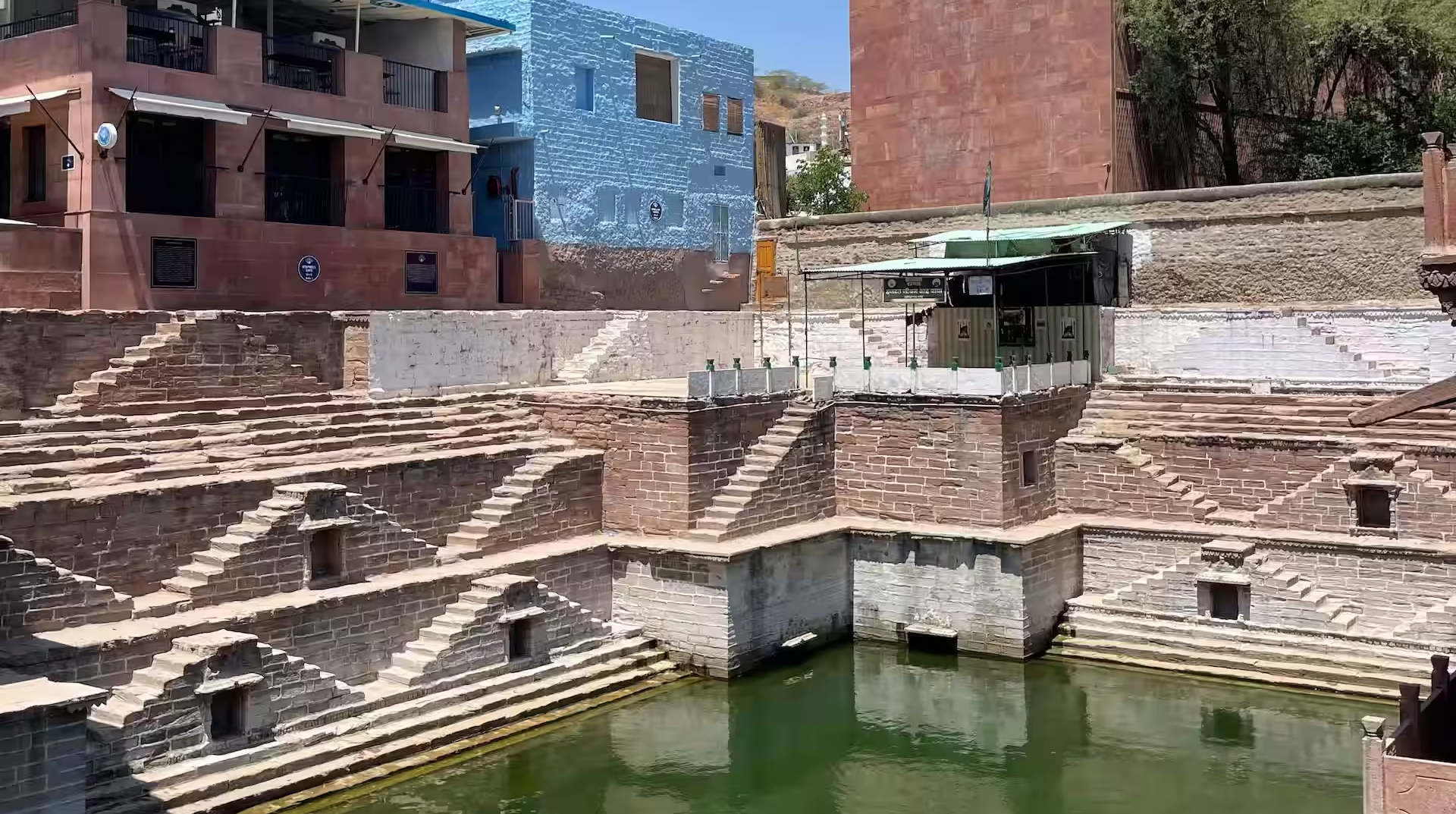
Toorji Ka Jhalra
A stunning 18th-century stepwell, beautifully restored and now a favorite spot for photography.
Royal Palaces of Jodhpur
Umaid Bhawan Palace
Grand royal complex with a museum, heritage hotel, and manicured lawns overlooking the Blue City and Chittar Hills.
Discover More
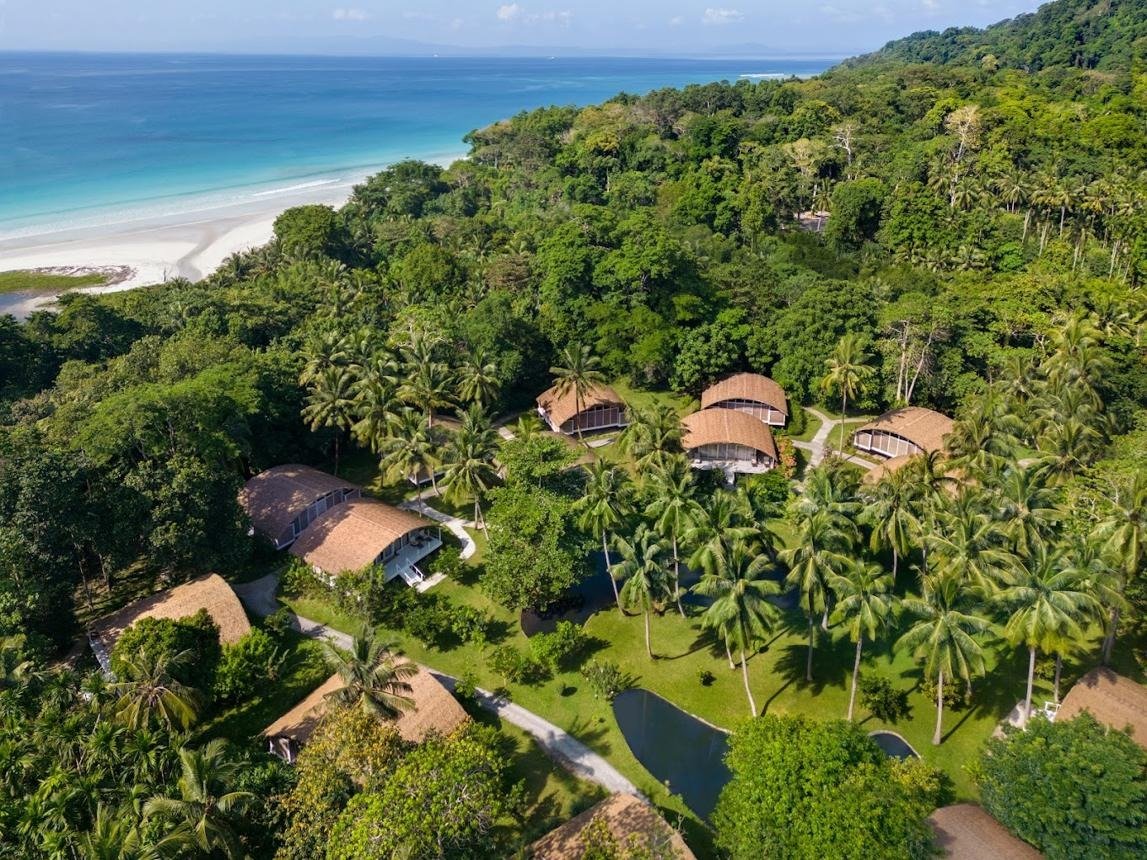
Takhat Vilas
A striking fort-palace complex in nearby Nagaur, featuring restored gardens, frescoed walls, and a serene desert charm.
Discover More
Jaswant Thada
A serene white marble cenotaph, often called the "Taj Mahal of Marwar," set beside a tranquil lake.
Discover More
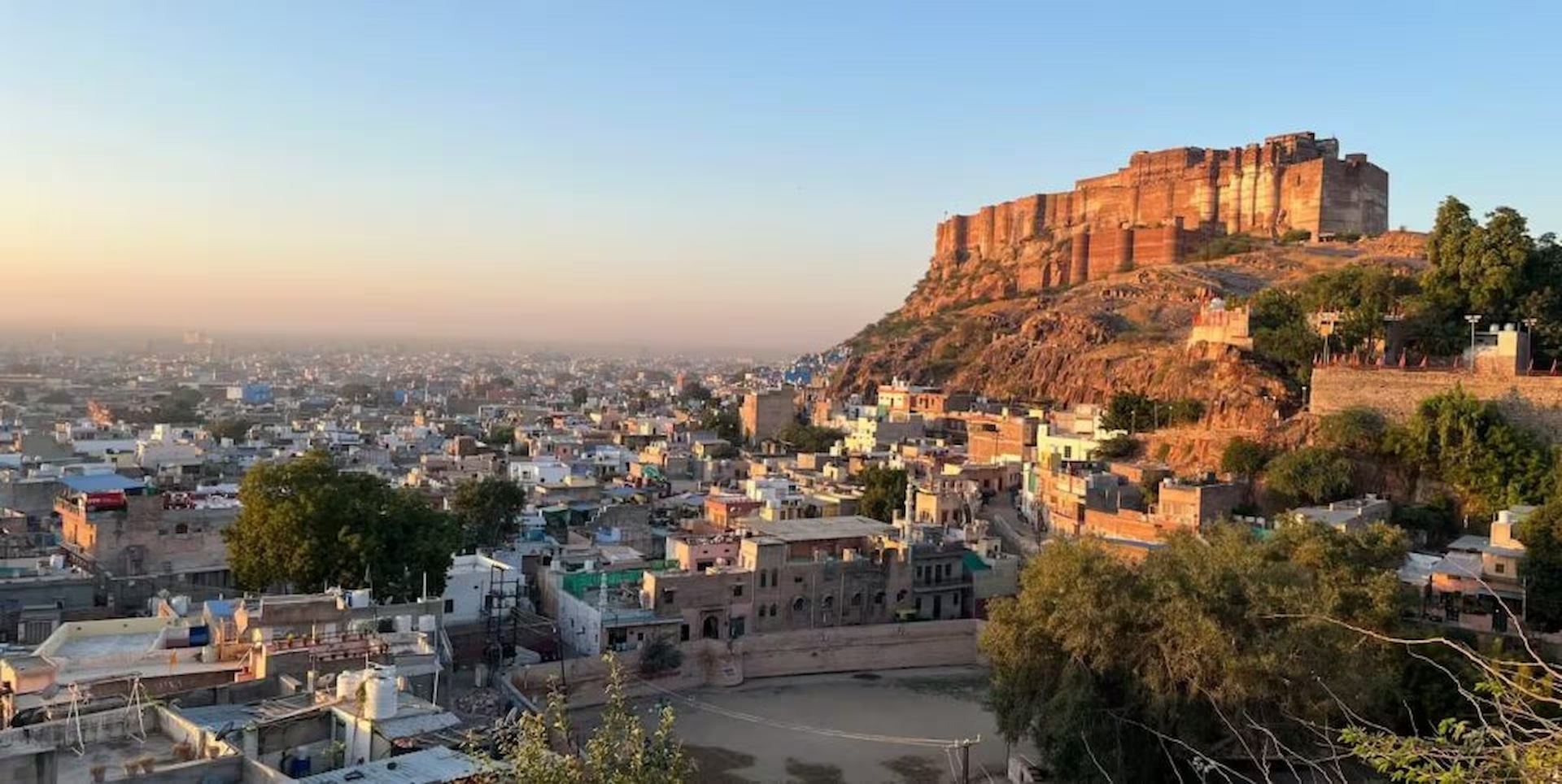
Mehrangarh Fort Palace
Majestic hilltop palace within the fort, showcasing opulent courtyards, intricate jharokhas, and a rich collection of royal artefacts.
Discover More
Moti Mahal (Pearl Palace)
An elegant chamber within Mehrangarh known for its mirrored ceiling and stained-glass windows, once used for royal audiences.
Discover More
Phool Mahal (Flower Palace)
The most lavish hall in Mehrangarh, adorned with gold leaf paintings and intricate frescoes celebrating Marwar's artistic heritage.
Discover More
Forts in Jodhpur
Mehrangarh Fort
One of India's largest forts, built by Rao Jodha in 1459 atop a 400-foot hill, with massive ramparts, ornate palaces, and sweeping views of the Blue City below.
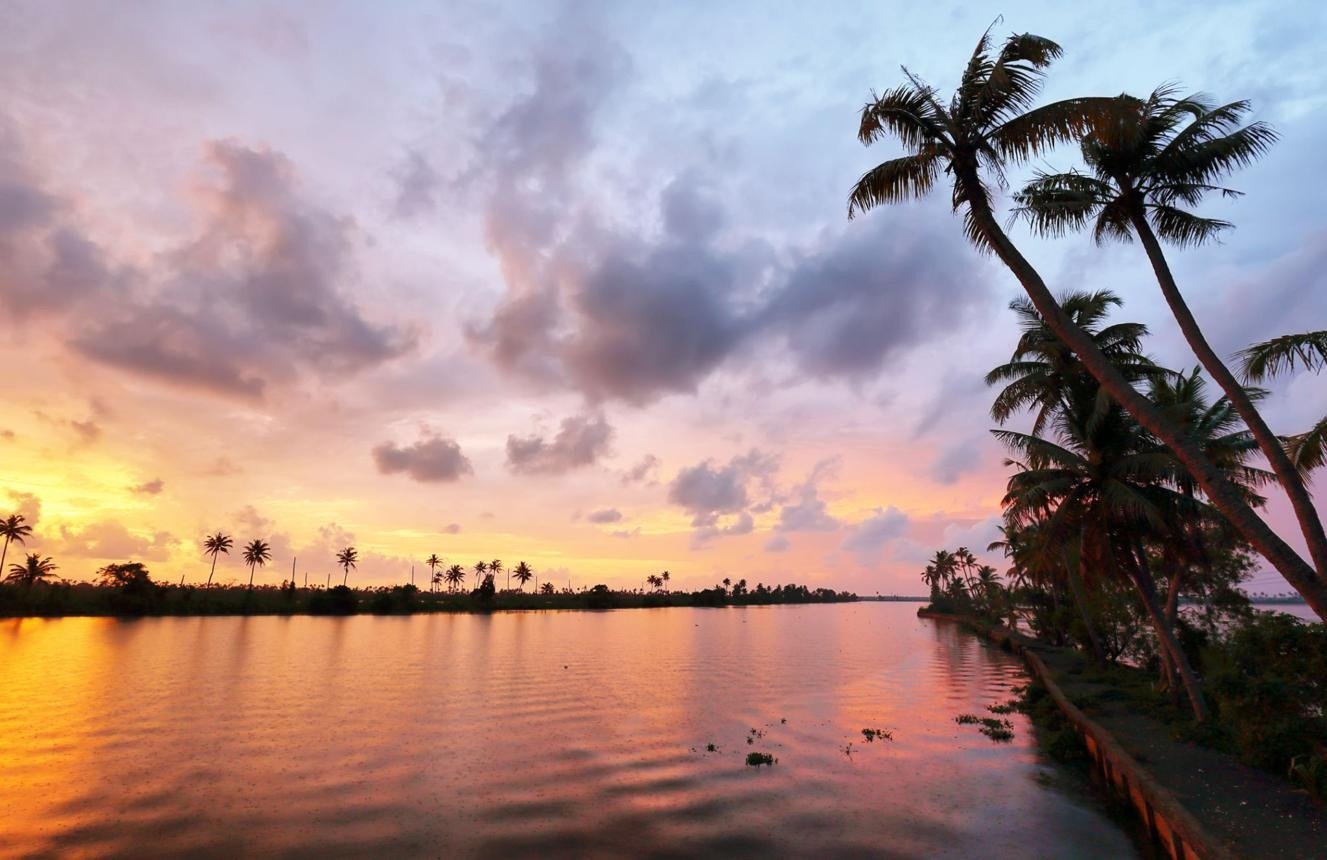
Ahhichatragarh Fort
Located in nearby Nagaur, this restored fort complex dates back over 800 years and combines Rajput and Mughal architectural styles across its courtyards and gardens.
Soniana Fort
A lesser-known fort near Jodhpur, historically significant to the Marwar region, offering a quieter and more rustic glimpse into Rajasthani military architecture.
Chamunda Fort Area
Adjoining Mehrangarh, this section houses the Chamunda Mata Temple and offers a fort-like vantage point with panoramic views over the old city
Temples in Jodhpur
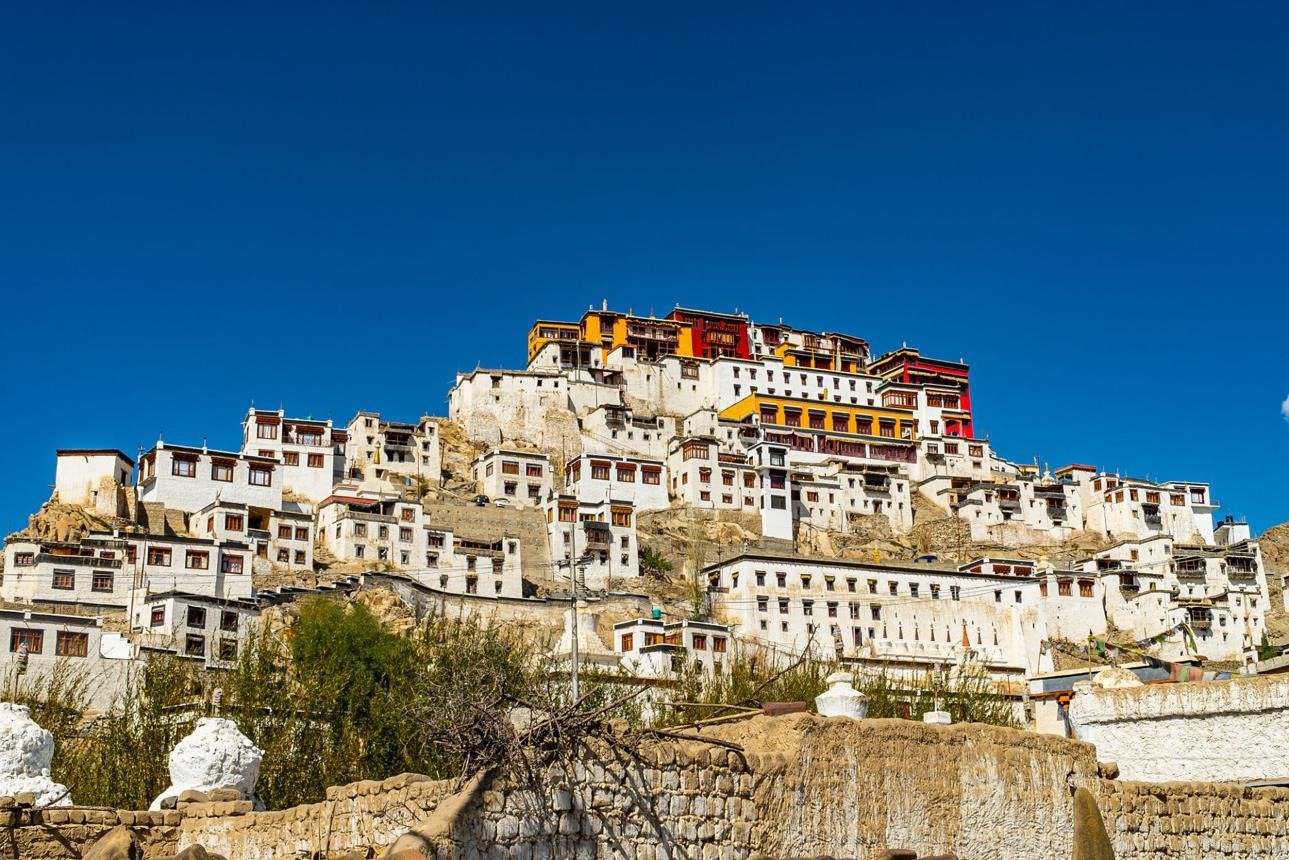
Chamunda Mata Temple
Hilltop shrine atop Mehrangarh, dedicated to the Rathore rulers' patron goddess, with panoramic views of city.
Raj Ranchhodji
Temple
19th-century temple to Lord Krishna, known for its intricate carvings and detailed frescoes depicting his life.
Sri Ganesh Temple (Ratanada)
Hilltop shrine to Lord Ganesha, reached by 150 steps, featuring a striking eight-foot idol and city views.
Adventure activities in Jodhpur
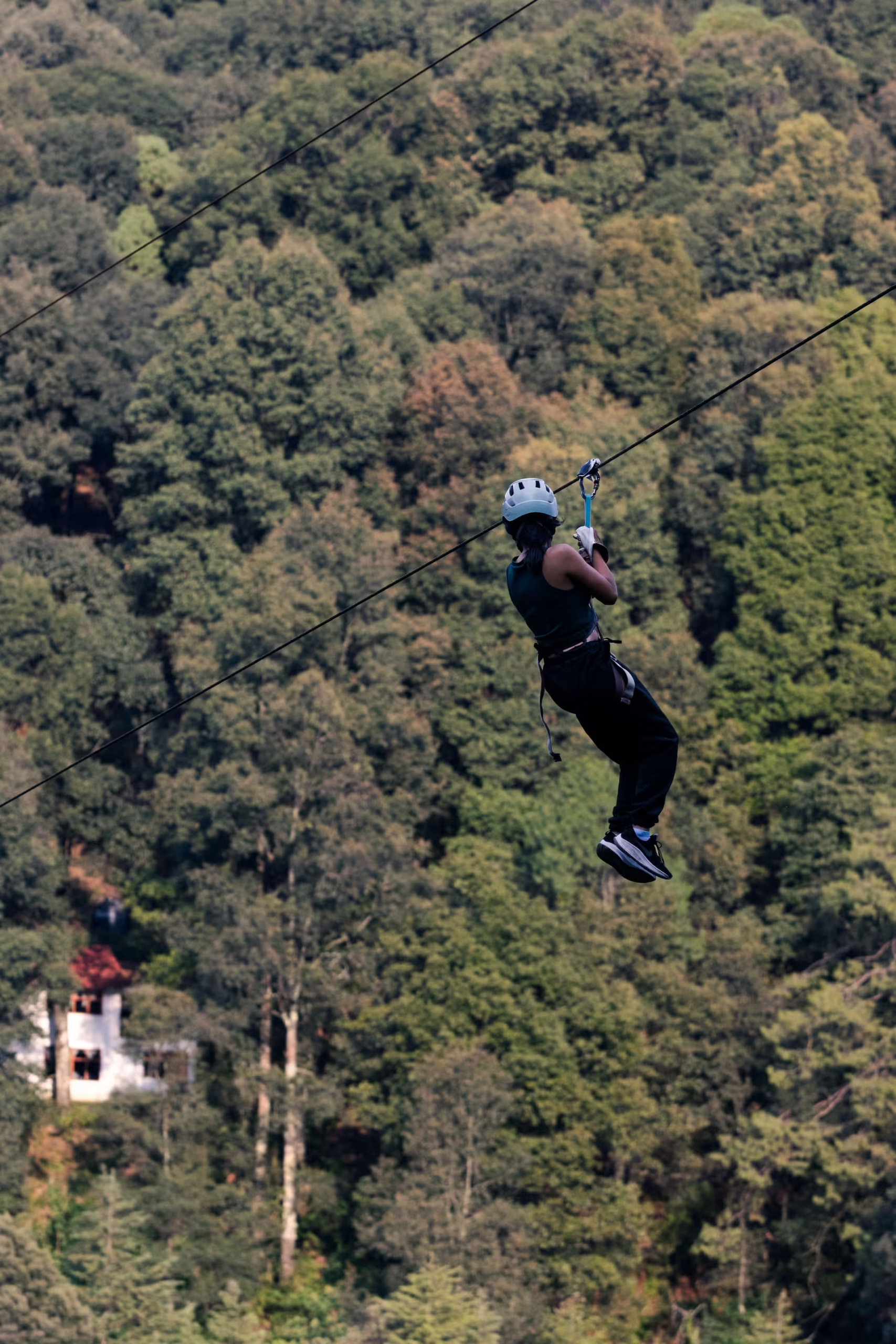
Zip-lining at Mehrangarh Fort
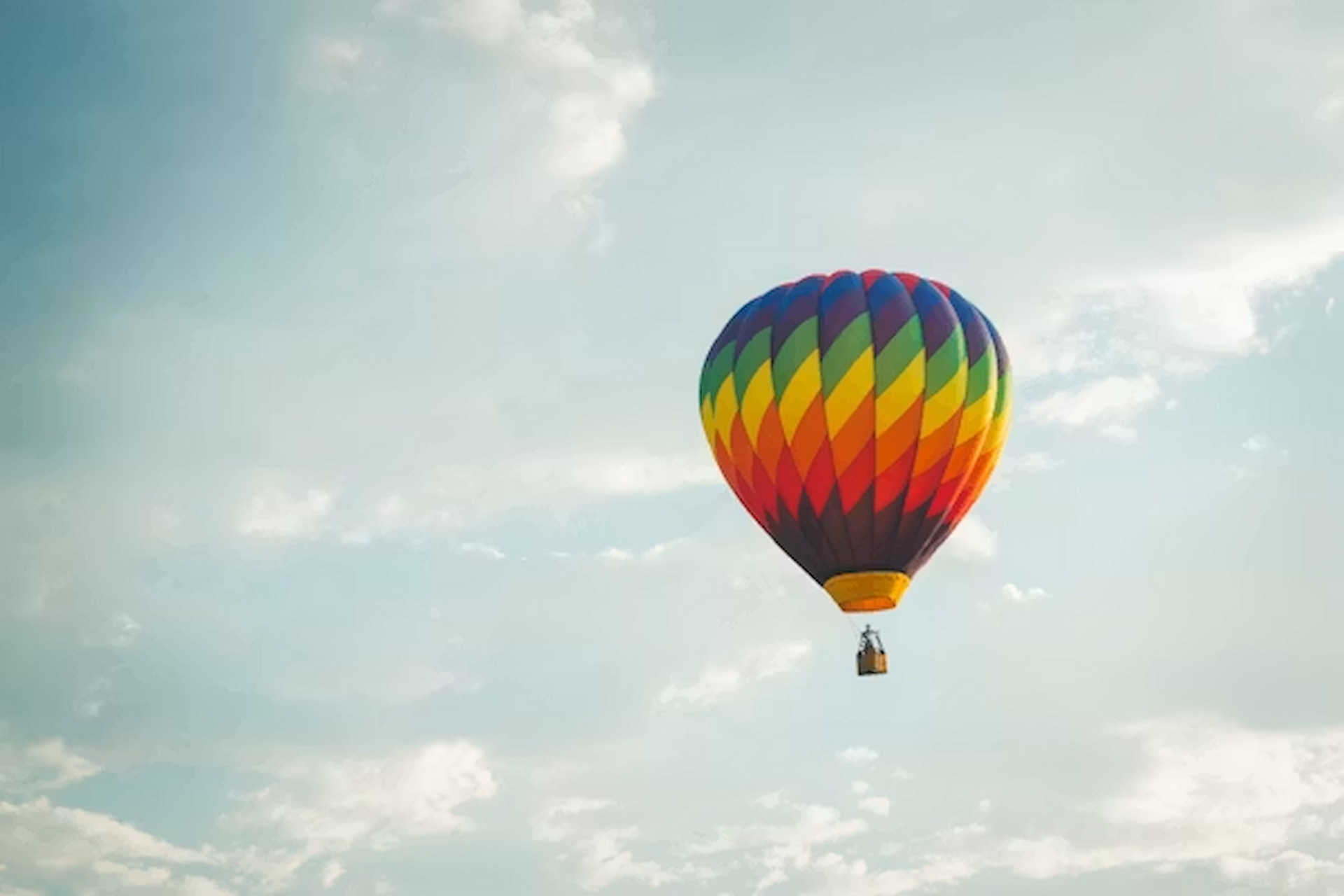
Hot Air Ballooning
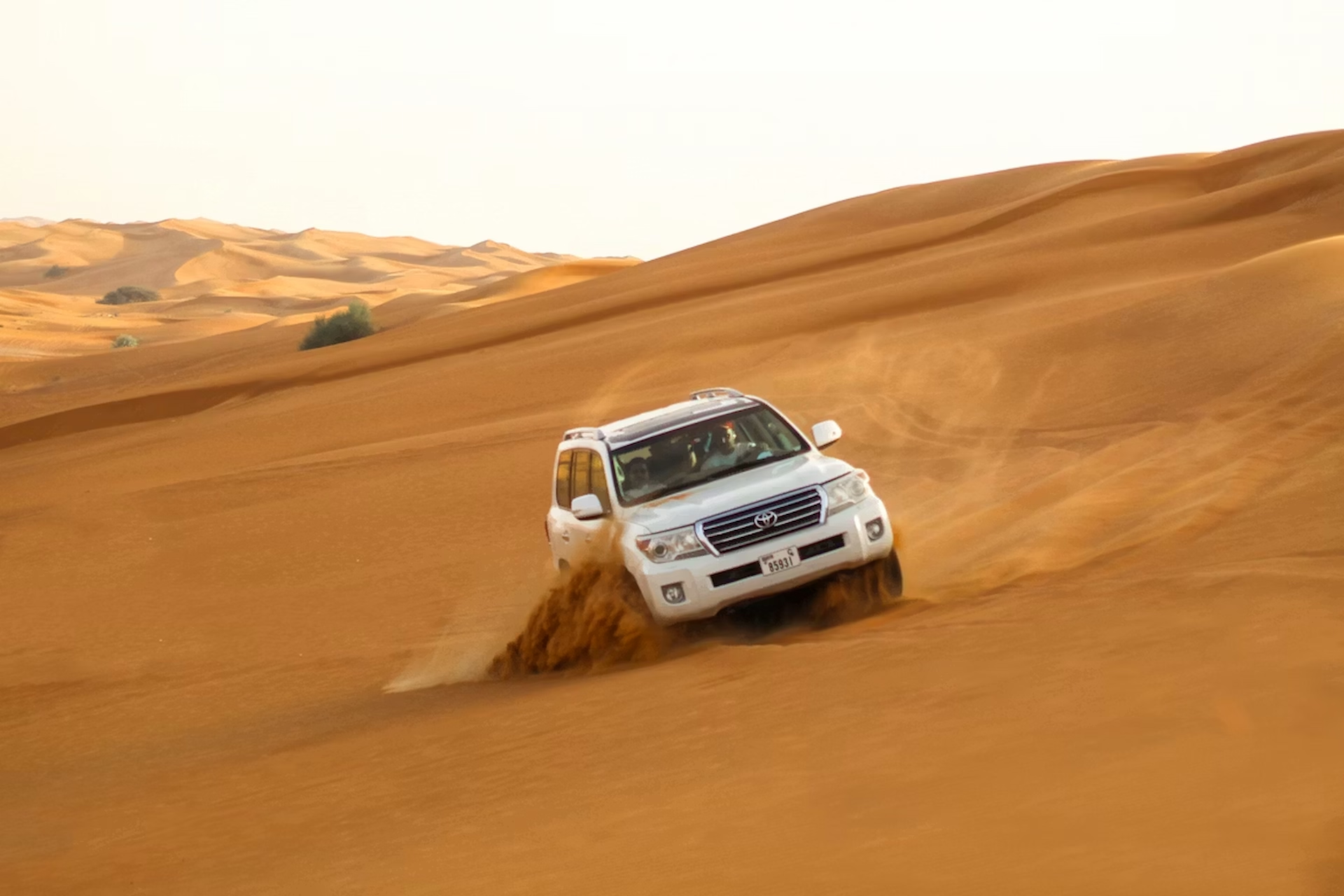
Desert Safari & Dune Bashing
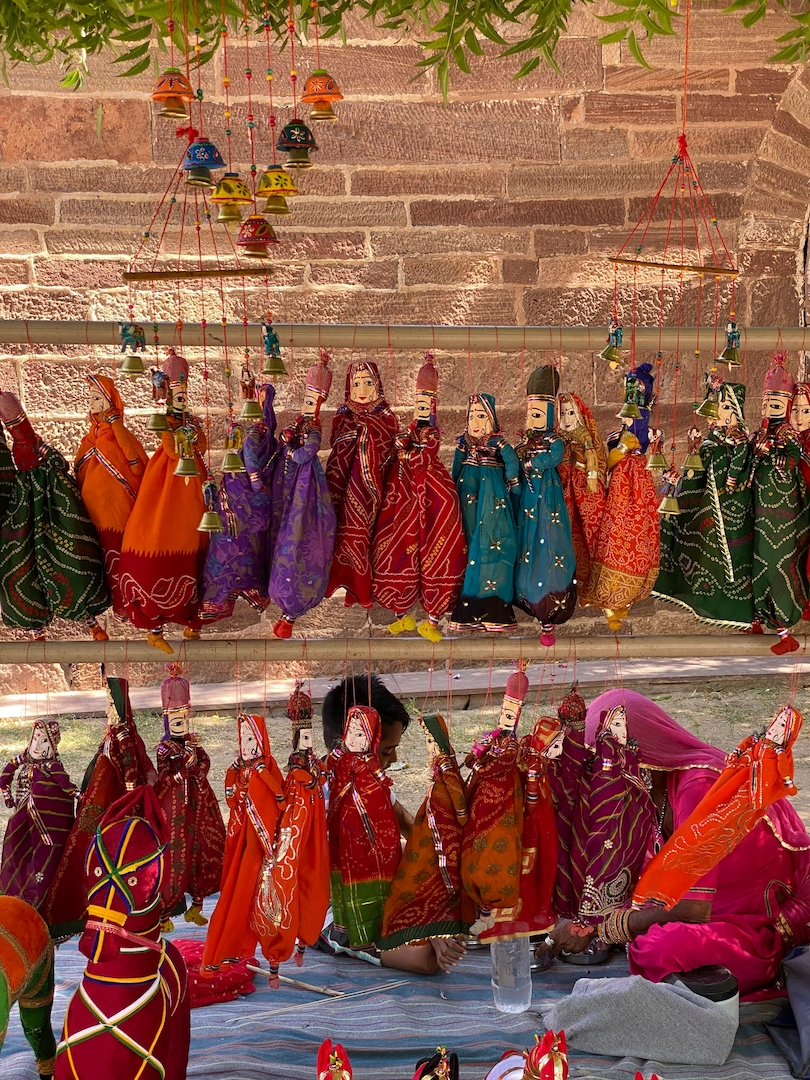
Festivals & Living Culture of Jodhpur
Jodhpur comes alive through its royal and folk festivals, blending Marwar traditions with everyday celebration:
- Jodhpur RIFF (Rajasthan International Folk Festival)
- Marwar Festival
- Nagaur Cattle Fair
- Rajasthan International Kite Festival
- Jodhpur Flower Festival
Traditional folk performances like Ghoomar and Kalbelia are widely showcased across the city, with Kalbelia recognized by UNESCO as an intangible cultural heritage of humanity.
Best Time to Visit Jodhpur
October to March
This is the best time for fort tours and city sightseeing. The weather stays cool and pleasant, and Mehrangarh and other palaces remain fully open. Walking tours and outdoor activities are most enjoyable.
April to June
Ideal for early morning sightseeing and fewer crowds. These months are hot and dry, so afternoons can be intense, but mornings and evenings remain comfortable for fort and market visits.
July to September
The monsoon season brings lush greenery to the surrounding Aravalli hills. The Blue City looks refreshed, and views from Mehrangarh turn scenic. Some outdoor spots may stay closed during heavy rains.
Frequently Asked Questions
What is Jodhpur famous for?
Jodhpur is famous for the Blue City, Mehrangarh Fort, and its rich Marwar heritage and desert culture.
How many days are enough to explore Jodhpur?
2 to 3 days are enough to cover the major forts, palaces, and markets comfortably.
What is the best time to visit Jodhpur?
October to March is the best time, with cool weather ideal for sightseeing and outdoor activities.
WIs Jodhpur good for a family trip?
Yes, Jodhpur offers a mix of forts, gardens, and cultural experiences suitable for all age groups.
What is the local food to try in Jodhpur?
Mirchi bada, mawa kachori, and dal baati churma are must-try local specialties.