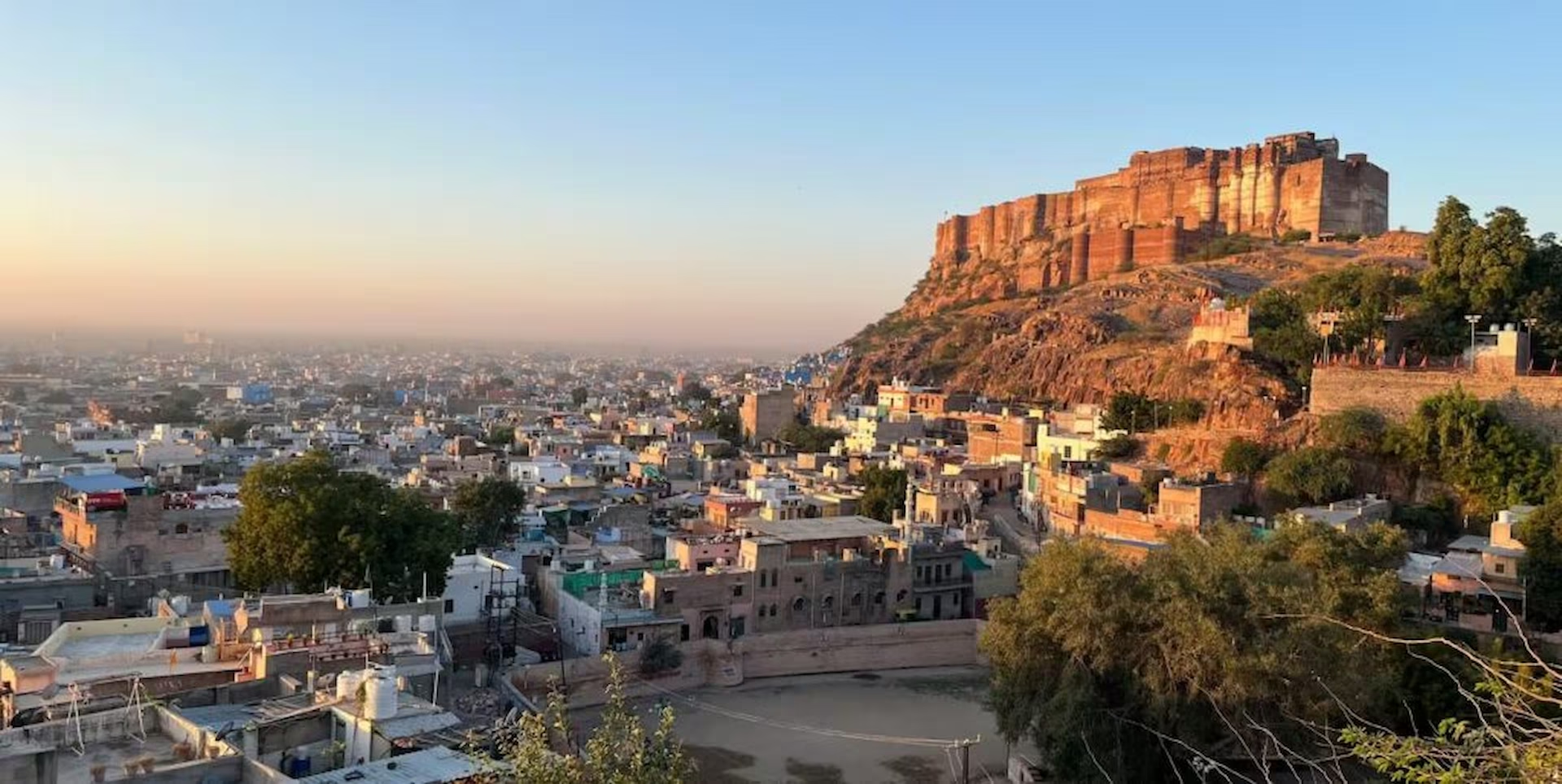
Kumbhalgarh Fort
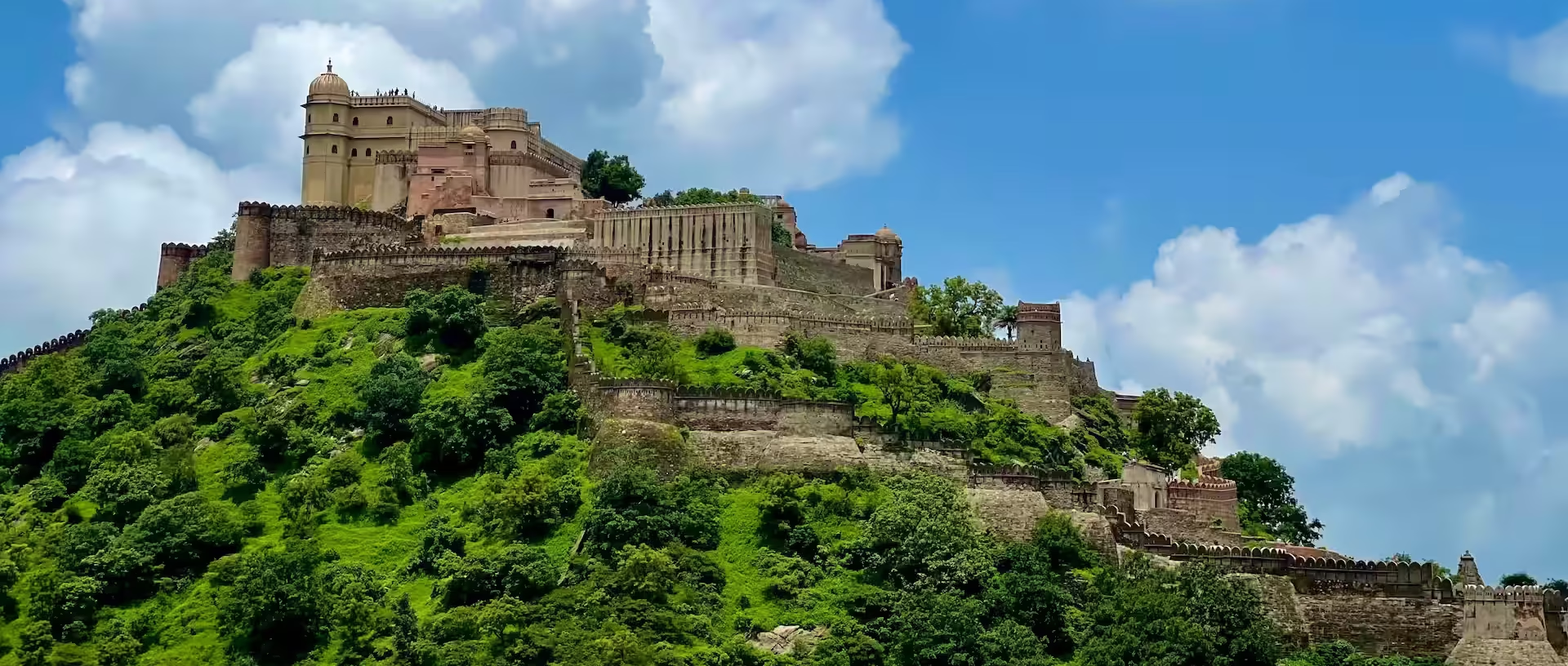
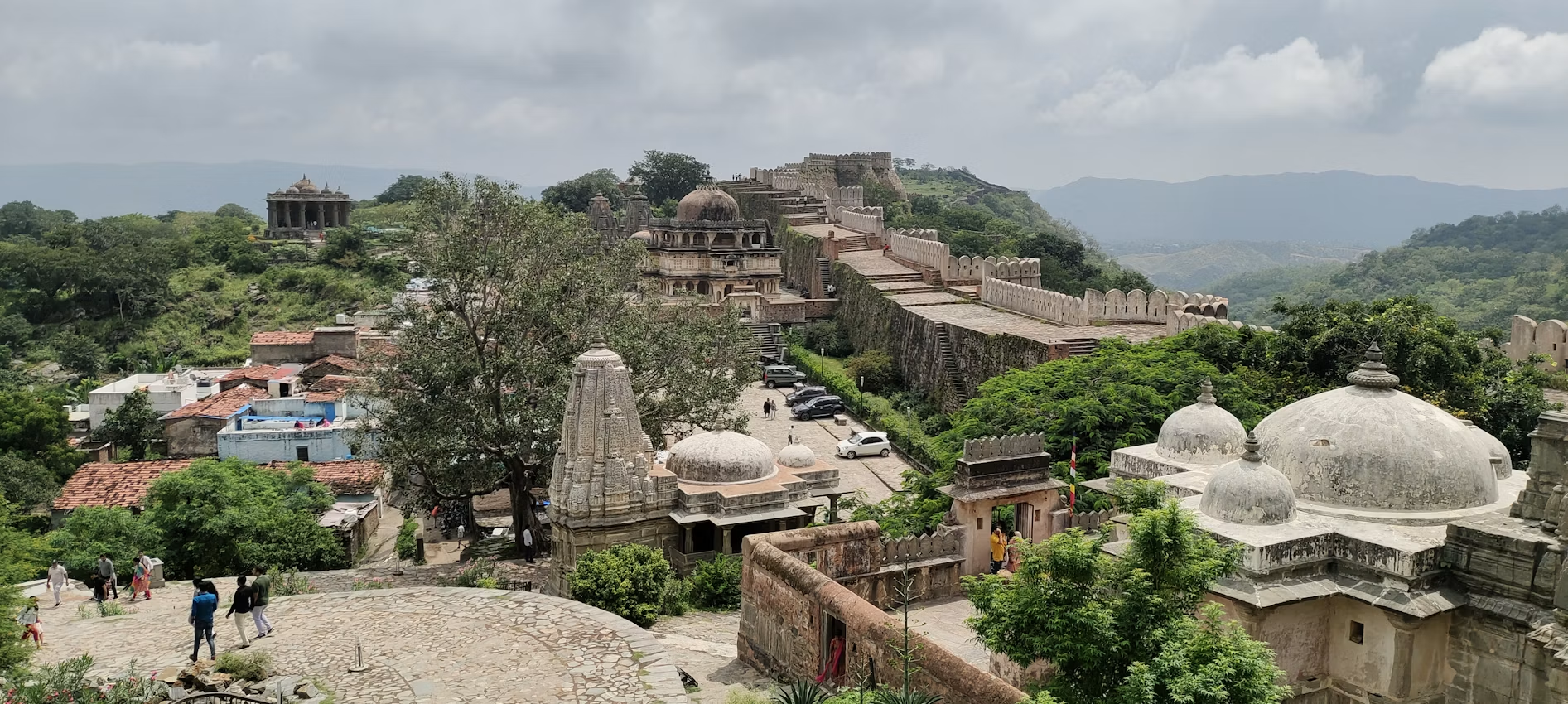
Overview
Kumbhalgarh Fort: The Great Wall of Mewar
Kumbhalgarh Fort sits high in the Aravalli Hills, about 84 kilometers from Udaipur, known for its massive perimeter wall and sweeping views over the surrounding forests. Visitors reach the entrance by road through Kelwara, passing through a series of fortified gates before arriving at the main complex. Inside, the wall walk draws the biggest crowds for its scale, while the temples and Badal Mahal offer a slower, quieter pace.
A typical visit takes 2 to 3 hours, and mornings are best to avoid crowds and heat. An evening light and sound show runs after regular hours for those who want to stay longer.
Open Hours
Open Days: All days of the week
Opening Time: 9:00 AM
Closing Time: 6:00 PM
Visitors can enter the fort complex and walk sections of the wall, along with the main palaces and temple clusters. An evening light and sound show runs after closing, telling the story of the fort's builders and the sieges it withstood.
Entry Fee
| Category | Ticket Price (INR) |
|---|---|
| Indian / SAARC / BIMSTEC Citizens | ₹15 |
| Foreign Tourists | ₹200 |
| Light and Sound Show | ₹100 |
About Kumbhalgarh Fort
Kumbhalgarh Fort is one of the most important forts in Rajasthan, second only to Chittorgarh in historical significance. It sits at an elevation of roughly 1,100 meters in the Aravalli Range, in the Rajsamand district, around 84 kilometers north of Udaipur. The fort was built between 1443 and 1458 by Rana Kumbha of Mewar, reportedly on the ruins of an earlier structure linked to a 2nd-century Jain king, and it was later renovated by Rana Fateh Singh in the 19th century.
The fort is best known for its boundary wall, which stretches roughly 36 kilometers around the hilltop and is often called the second-longest continuous wall in the world after the Great Wall of China. The wall is wide enough for several horses to ride abreast and was designed to make the fort nearly impossible to breach by force.
Seven fortified gates, known as pols, guard the approach to the fort, including Aaret Pol, Hulla Pol, and Ram Pol. Inside the walls, the complex holds more than 360 temples, both Hindu and Jain, along with several palaces. The most notable of these is Badal Mahal, a two-story palace at the summit known for its colorful murals and panoramic views, and Kumbha Palace, one of the oldest structures in the fort.
Kumbhalgarh is also known as the birthplace of Maharana Pratap, one of Mewar's most celebrated rulers, and it served as a place of refuge for the royal family during times of danger. The fort was breached only once in its history, and that was due to a shortage of water rather than a failure of its defenses.
Kumbhalgarh Fort was named a UNESCO World Heritage Site in 2013, as part of a group of six hill forts in Rajasthan.
What To Expect
Massive Boundary Wall
The fort's 36-kilometer wall rings the hilltop and is often called the second-longest continuous wall in the world after the Great Wall of China. Sections are open for walking, giving visitors a real sense of its scale.
Badal Mahal
The Palace of Clouds sits at the fort's highest point. Its rooms are painted in turquoise, green, and white, with wide terraces looking out over the Aravalli hills.
Neelkanth Mahadev Temple
This is the most prominent temple inside the fort, built around a large Shiva lingam beneath a domed roof supported by 24 carved pillars.
Seven Pols
The fort is entered through seven fortified gateways, each designed to slow and trap approaching enemies. Ram Pol is the main entrance used by most visitors today.
Kumbha Palace
One of the oldest structures inside the fort, this palace is linked to Rana Kumbha and marks the birthplace of Maharana Pratap.
Light and Sound Show
Held after sunset, the show retells the fort's history and sieges using light, narration, and sound set against the walls of the complex.
How to Reach Kumbhalgarh Fort
By Air
Kumbhalgarh has no airport of its own. Maharana Pratap Airport in Udaipur is about 85 km away. A private car or taxi takes around 2 to 2.5 hours to comfortably reach the fort.
By Rail
Kumbhalgarh has no railway station of its own. Falna Junction, about 80 km away, is the nearest major railhead. A taxi from the station takes around 1.5 to 2 hours.
By Road
Kumbhalgarh is well connected by highway. It is about 85 km from Udaipur, 50 km from Ranakpur, and roughly 177 km from Jodhpur. Buses and private taxis are available here.
Frequently Asked Questions
Where is Kumbhalgarh Fort located?
Kumbhalgarh Fort is located in the Aravalli Hills of the Rajsamand district, about 84 kilometers north of Udaipur in Rajasthan.
What is Kumbhalgarh Fort famous for?
It is famous for its 36-kilometer boundary wall, often called the second-longest wall in the world, as well as its 360-plus temples and its role as the birthplace of Maharana Pratap.
What is the entry fee for Kumbhalgarh Fort?
Indian citizens and SAARC/BIMSTEC nationals pay ₹15, and foreign tourists pay ₹200. The light and sound show costs an additional ₹100 per person.
Is photography allowed inside Kumbhalgarh Fort?
Yes, photography is allowed in most areas of the fort. Video cameras usually attract a separate charge, so it's worth checking at the ticket counter on arrival.
What is the light and sound show at Kumbhalgarh Fort?
It is an evening presentation held after closing hours that narrates the fort's history, including the story of Rana Kumbha and the battles fought at its walls, using lighting effects and recorded narration set against the fort itself.
Similar Places to Visit
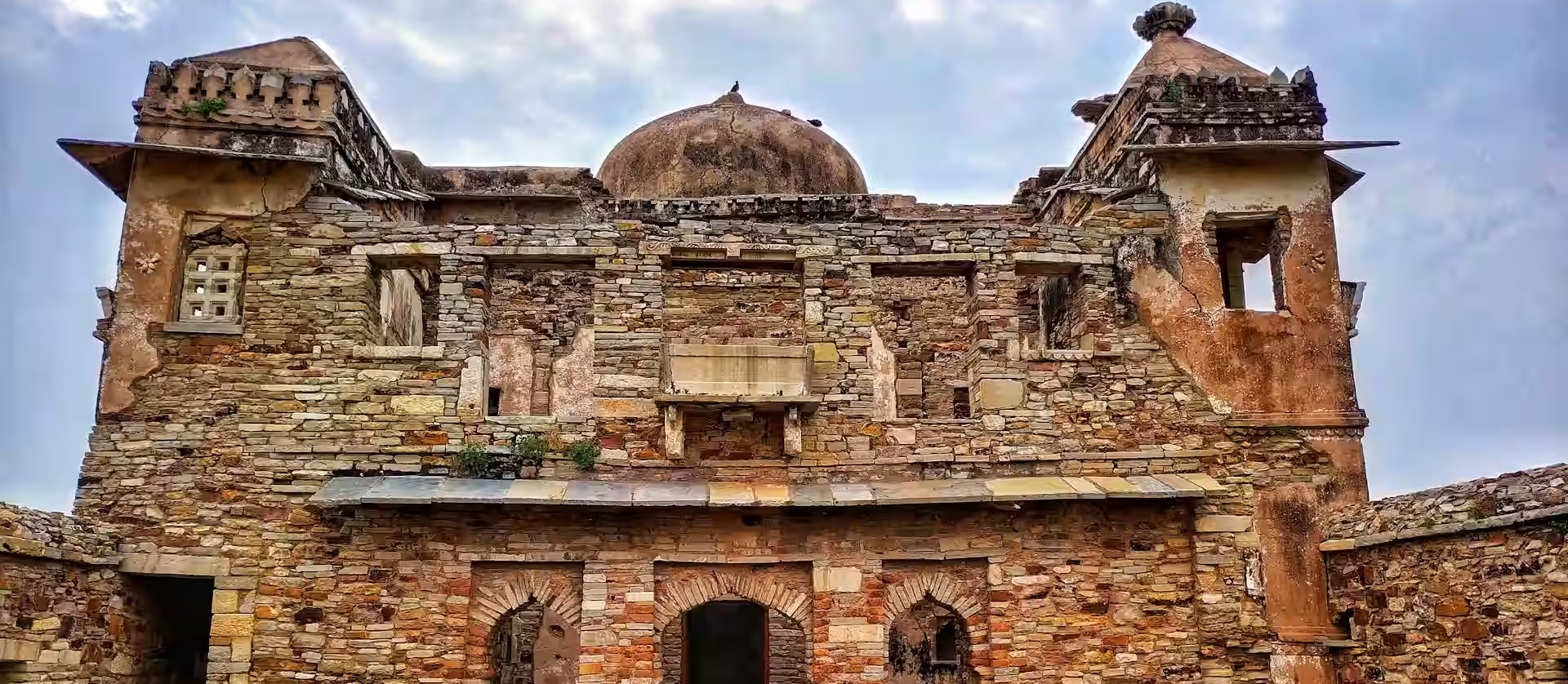
Chittorgarh Fort
City Palace, Jaipur
Amer Fort
Jaigarh Fort