Jaisalmer Fort
Overview
Jaisalmer Fort: The Desert City That Never Stopped Living
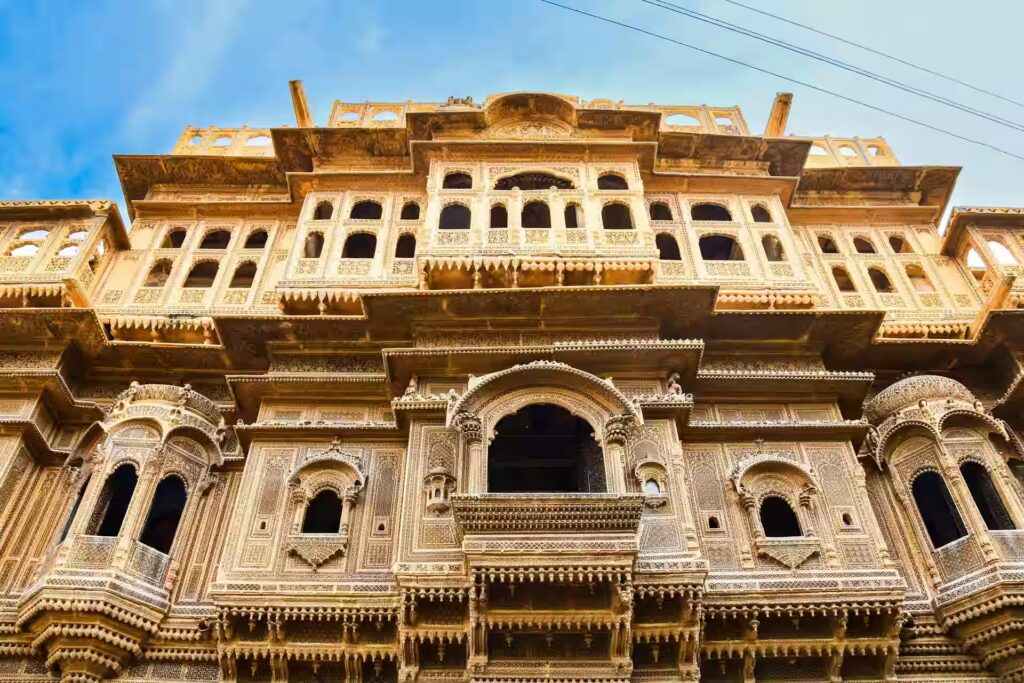
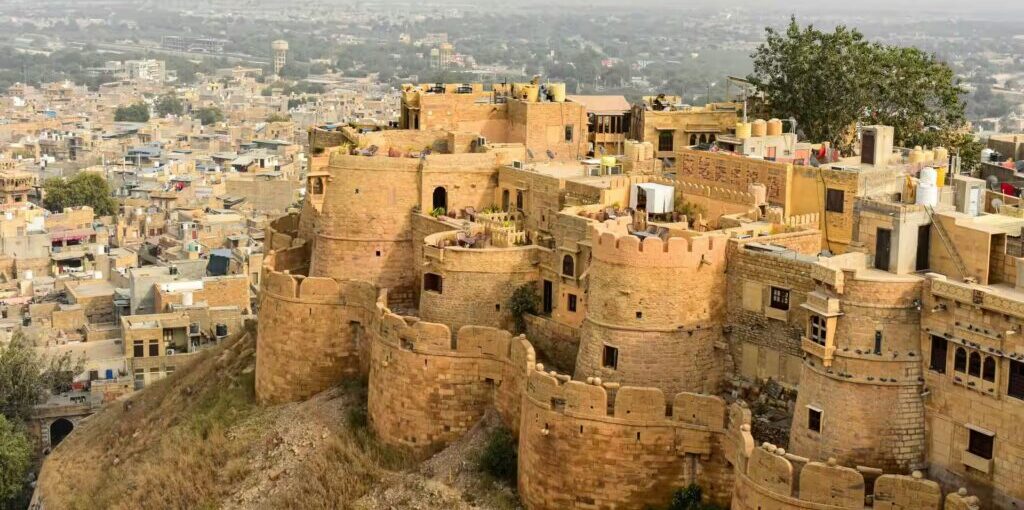
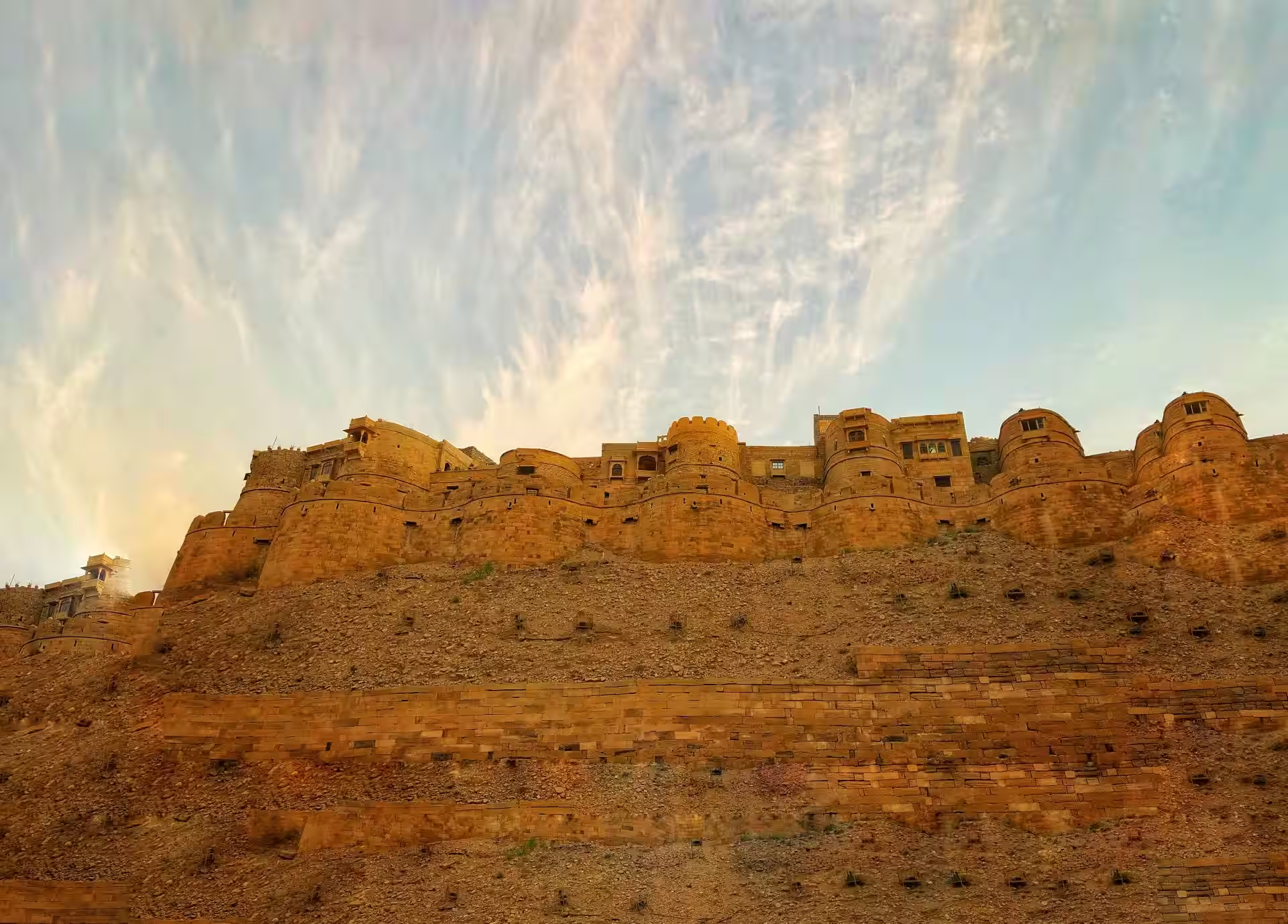
Jaisalmer Fort rises straight out of the Thar Desert on Trikuta Hill, its honey-colored sandstone glowing gold at sunrise and sunset. Unlike most Rajasthan forts, this one is still inhabited, with thousands of families running homes, shops, and guesthouses inside its walls. Visitors wander narrow lanes lined with carved havelis, intricately designed Jain temples, and rooftop cafes overlooking the desert.
A typical visit takes 2 to 4 hours, and early morning or late afternoon light shows off the golden sandstone best. Evenings bring a quieter mood, when the fort's silhouette glows against the setting sun.
Open Hours
Open Days: All days of the week
Opening Time: 9:00 AM
Closing Time: 5:00 PM
The fort's gates stay open around the clock since people live inside, but the Raj Mahal palace museum and the Jain temples keep fixed hours. Visitors can walk the lanes, view the bastions, and take in the desert views at any time of day.
Entry Fee
| Category | Ticket Price (INR) |
|---|---|
| Indian Citizens (Palace Museum) | ₹50 |
| Foreign Tourists (Palace Museum) | ₹250 |
| Camera Fee | ₹50 |
| Video Camera Fee | ₹100 |
About Jaisalmer Fort
Jaisalmer Fort, also called Sonar Quila or the Golden Fort, was built in 1156 AD by the Bhati Rajput ruler Rawal Jaisal, who chose Trikuta Hill for its natural height and desert setting. Over the centuries it grew into a full township, with the ruling family, merchants, and soldiers all living within its walls.
The fort's location on the old trade routes between India and Central Asia brought wealth to its merchants, who used it to build the ornate havelis and temples still standing today. Ninety-nine bastions ring the fort, and four grand gateways, Akshaya Pol, Suraj Pol, Ganesh Pol, and Hawa Pol, lead visitors up through the fortifications toward the royal complex at the top.
Inside, the Raj Mahal palace houses the old royal quarters, a coronation throne, and a small museum of weapons and artifacts. Nearby, a cluster of Jain temples built between the 12th and 16th centuries display detailed marble and sandstone carving. Because the fort remains home to around 3,000 to 4,000 residents, it is often described as one of the few living forts left in the world.
Jaisalmer Fort was named a UNESCO World Heritage Site in 2013, as part of the Hill Forts of Rajasthan group.
What To Expect
A Living Township
Homes, shops, and guesthouses operate inside the fort walls, so visitors walk through an active neighborhood rather than an empty monument.
Raj Mahal Palace Museum
The former royal palace holds the coronation throne, royal chambers, and a collection of weapons and artifacts from the Bhati rulers.
Jain Temples
A group of interconnected temples inside the fort feature detailed marble and sandstone carving dating back several centuries.
Four Main Gateways
Akshaya Pol, Suraj Pol, Ganesh Pol, and Hawa Pol lead visitors up through the fort's defenses toward the palace complex.
Golden Sandstone Walls
The fort's yellow sandstone changes color through the day, turning a deep gold at sunrise and sunset.
Narrow Lanes and Markets
Shops selling textiles, silverwork, and handicrafts line the fort's inner streets, alongside rooftop restaurants with desert views.
How to Reach Jaisalmer Fort
By Air
Jaisalmer Airport is about 13 km from the fort. Flights can be seasonal, so Jodhpur Airport, about 285 km away, is a reliable alternative. A private car or taxi can take you onward to Jaisalmer comfortably.
By Rail
Jaisalmer Railway Station is about 2 km from the fort and has direct trains to major cities including Jodhpur, Jaipur, and Delhi. From the station, a private car, taxi, or auto-rickshaw can easily reach the fort.
By Road
Jaisalmer is well connected by road to Jodhpur, Jaipur, Delhi, and other major cities. Private cars, taxis, and buses are available, making road travel a convenient option for reaching the fort.
Frequently Asked Questions
Where is Jaisalmer Fort located?
Jaisalmer Fort stands on Trikuta Hill in the heart of Jaisalmer city, in the Thar Desert region of western Rajasthan.
What is Jaisalmer Fort famous for?
It is famous for being one of the few living forts in the world, its golden sandstone architecture, its Jain temples, and its role as a former stop on the trade routes linking India with Central Asia.
What is the entry fee for Jaisalmer Fort?
Walking through the fort is free. The Raj Mahal palace museum charges ₹50 for Indian citizens and ₹250 for foreign tourists, with separate camera and video fees.
Is photography allowed inside Jaisalmer Fort?
Yes, photography is allowed in most areas. Some sections of the Jain temples restrict photography, so it's worth checking on site before taking pictures.
Why is Jaisalmer Fort called the Golden Fort?
Its walls are built from yellow sandstone that reflects sunlight in warm golden tones, especially during sunrise and sunset, giving the fort its Sonar Quila nickname.
Similar Places to Visit
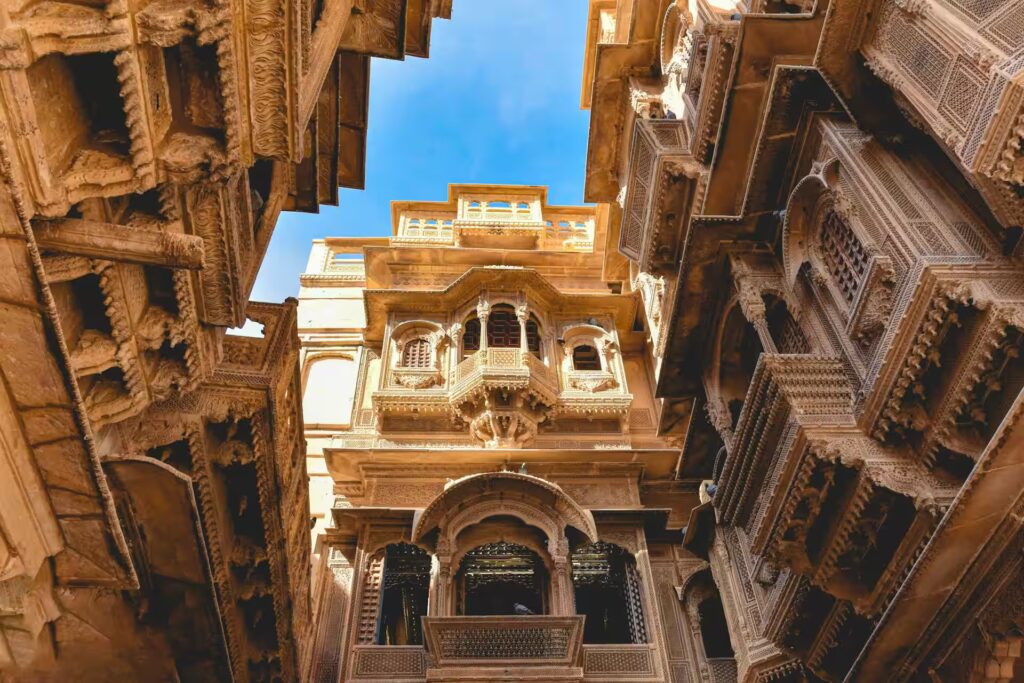
Patwon Ki Haveli
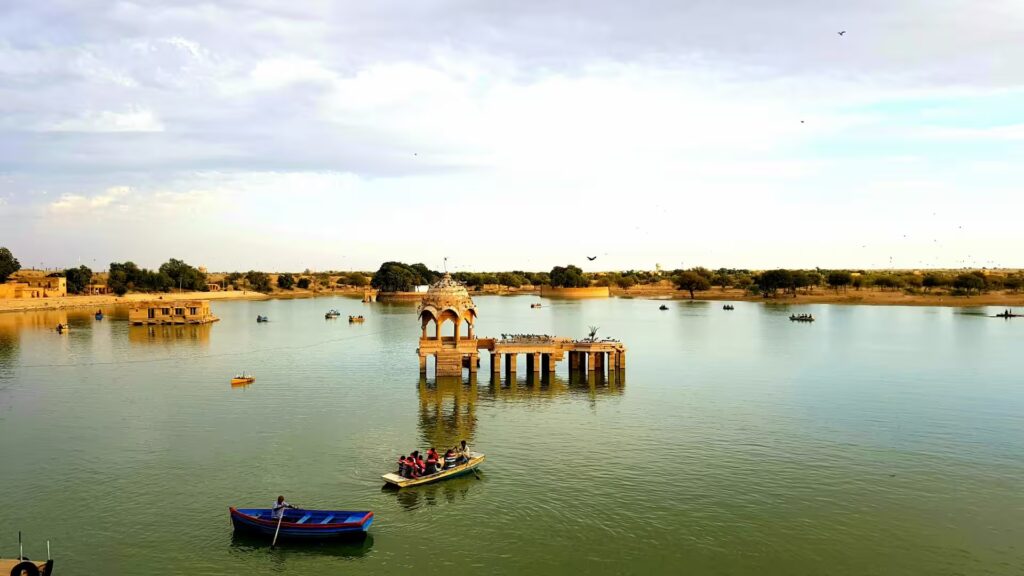
Gadisar Lake
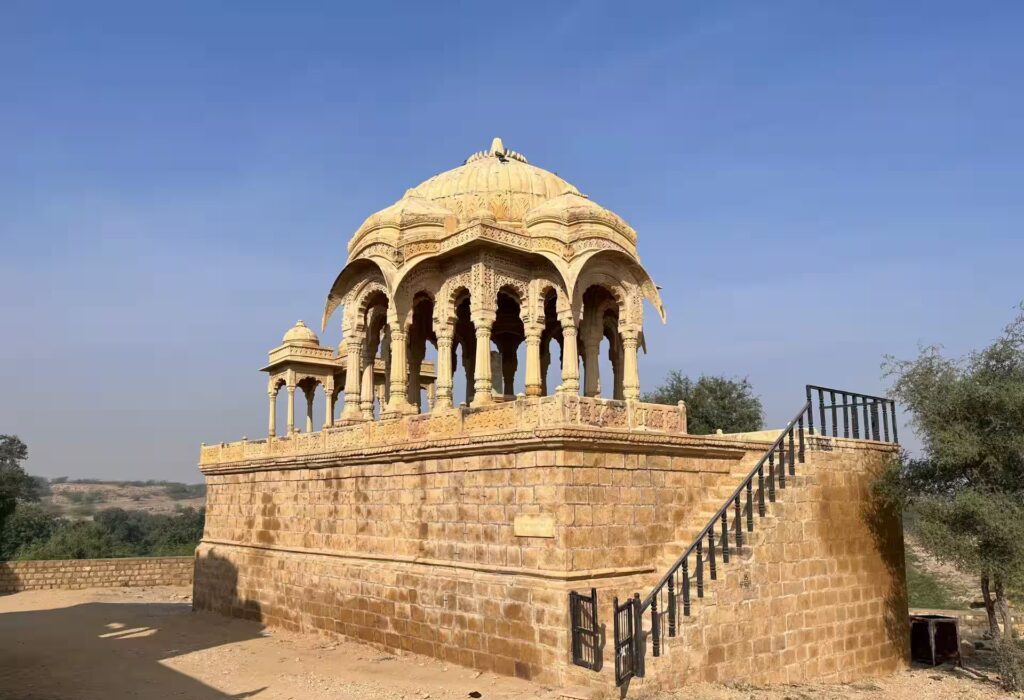
Bada Bagh
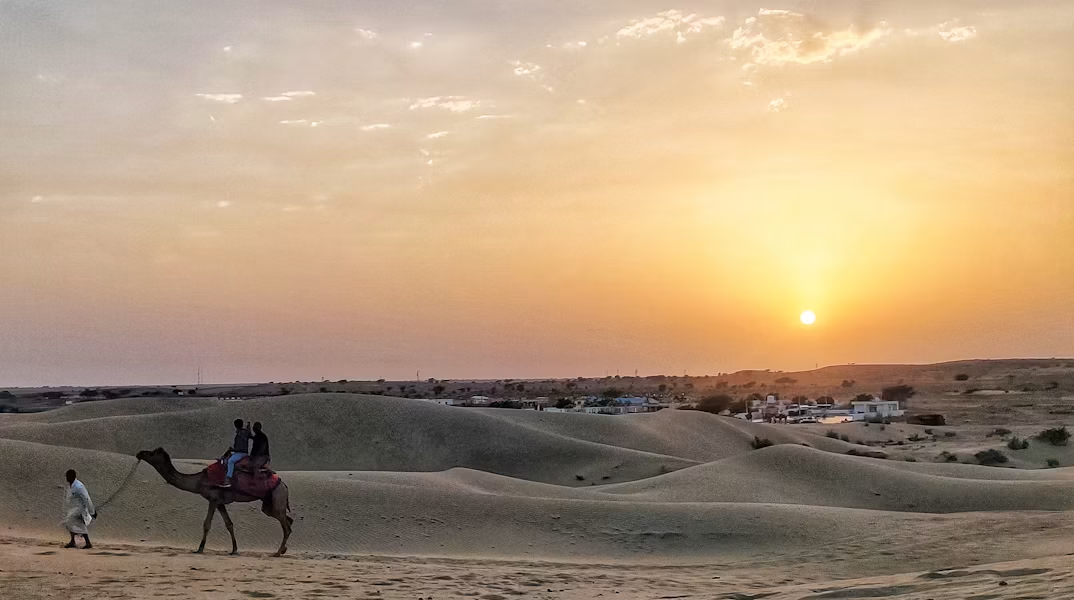
Sam Sand Dunes