Gagron Fort
Overview
Gagron Fort: Rajasthan's Only Hill and Water Fort
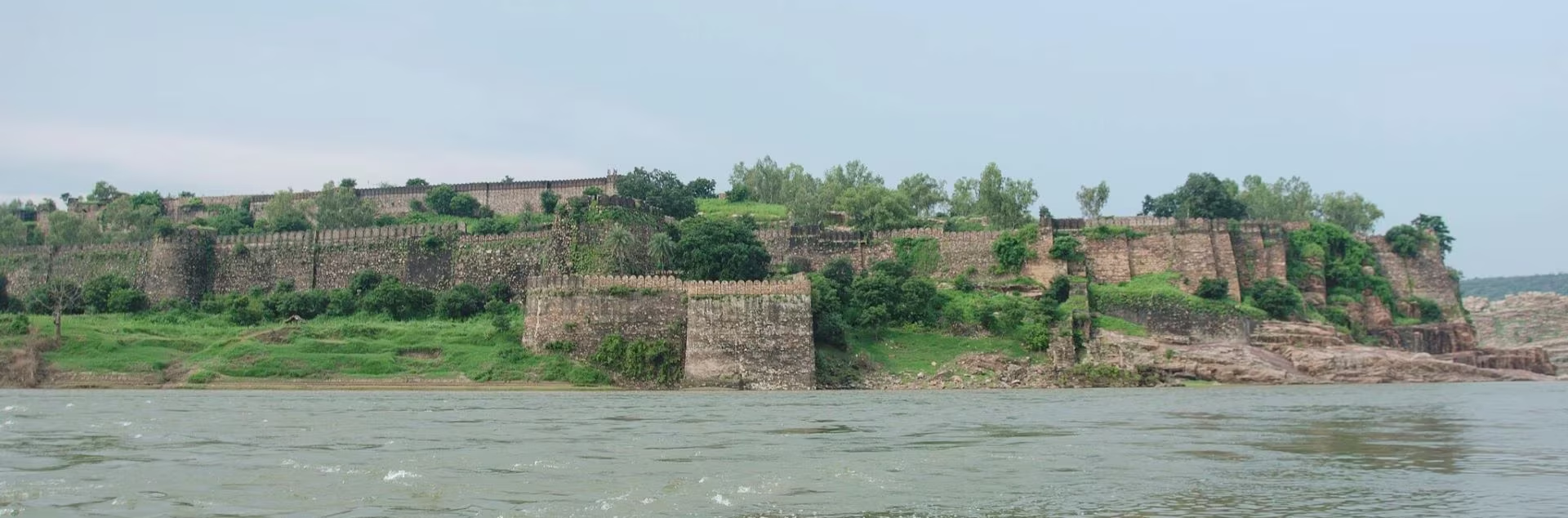
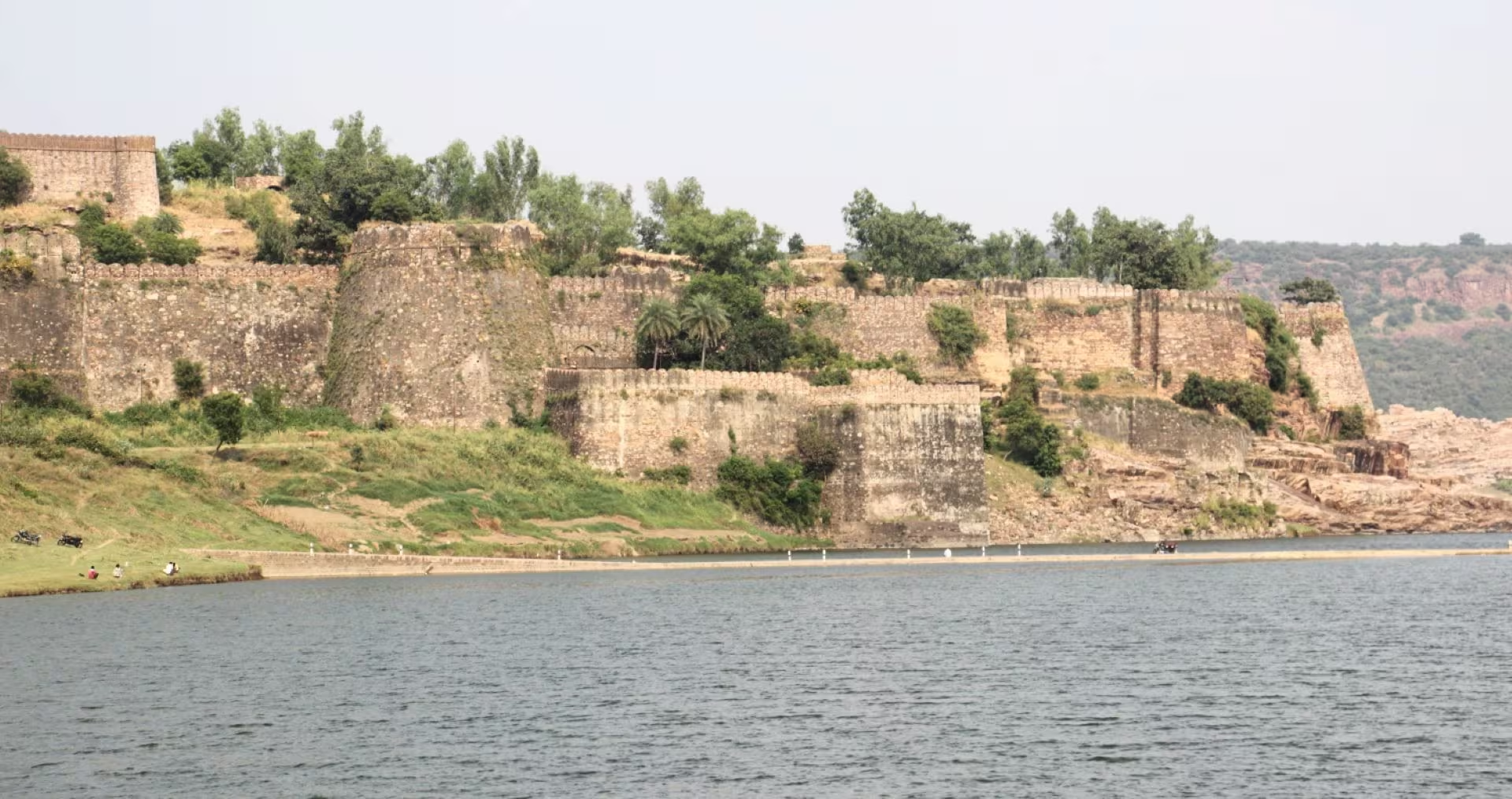
Gagron Fort sits at the meeting point of the Ahu and Kali Sindh rivers near Jhalawar, surrounded by water on three sides and a deep moat on the fourth. Unlike most Rajasthani forts built on open hilltops, Gagron rises straight out of the water, earning it the name Jaladurg. Visitors reach it by road from Jhalawar city, walking through the old gates before exploring the palace halls and temple courtyards inside.
A visit takes about 2 hours, and the fort is quiet compared to Rajasthan's bigger tourist stops, so mornings and late afternoons are both comfortable. Few facilities exist inside, so it helps to carry water and snacks along.
Open Hours
Open Days: All days of the week
Opening Time: 8:00 AM
Closing Time: 5:30 PM
Visitors can walk through the main courtyards, bastions, and the surviving halls, including Diwan-e-Aam and Diwan-e-Khas. There is no light and sound show here, and the fort has limited signage, so hiring a local guide at the entrance helps in understanding the layout.
Entry Fee- Indians vs Foreigners
| Category | Ticket Price (INR) |
|---|---|
| Indian Citizens | ₹25 |
| Foreign Tourists | ₹300 |
| Children (below 15) | Free |
About Gagron Fort
Gagron Fort stands in the Hadoti region of Rajasthan, about 12 kilometers from Jhalawar city, at the confluence of the Ahu and Kali Sindh rivers. Construction began as early as the 7th century, with the fort taking its present form after Raja Bijaldev of the Doda Parmara dynasty established control here in the 12th century. It later passed through the hands of the Khinchi Chauhan rulers, who held it for close to three centuries.
Gagron is unusual among Rajasthan's forts because it has no real foundation; its walls rise directly from the rock and riverbed, using the water itself as the main line of defense. This design is what gives it the title of Jaladurg, or water fort, one of only a handful of its kind in the country.
The fort changed hands many times over the centuries, passing between Rajput rulers, the Sultanate of Malwa, and later the Mughals under Sher Shah Suri and Akbar. Its most remembered moment is the Battle of Gagron in the 15th century, when Rajput defenders chose Jauhar and Saka rather than surrender to the invading Malwa forces, a story still told by guides at the site.
Gagron Fort was named a UNESCO World Heritage Site in 2013, as part of a group of six hill forts of Rajasthan that also includes Amer Fort and Chittorgarh Fort.
What To Expect
Water and Forest Defenses
Gagron Fort is surrounded by rivers on three sides and thick forest on the fourth, a natural defense system rarely seen in other Rajasthani forts.
Diwan-e-Aam and Diwan-e-Khas
These halls were once used for public and private royal audiences. Their remaining arches and pillars hint at the fort's former scale.
Temples Inside the Fort
Small shrines to Lord Shiva, Lord Ganesha, and Goddess Durga sit within the fort walls, still visited by local pilgrims.
Mitheshah Dargah
Just outside the fort, this dargah of the Sufi saint Mitheshah draws large crowds during an annual fair held in the month of Moharram.
River Views from the Bastions
The fort walls offer wide views over the Kali Sindh River, especially striking in the early morning light.
Peacocks and Parrots
The surrounding forest is home to a resident population of peacocks and hiraman parrots, adding sound and movement to a walk through the fort.
How to Reach Gagron Fort
By Air
Devi Ahilyabai Holkar International Airport in Indore is about 240–250 km away. Jaipur International Airport, around 335–345 km away, is another option for travelers.
By Rail
Jhalawar City Railway Station is the nearest railhead, with connections to Kota and other destinations. From the station, a private car, taxi, or auto-rickshaw can take you to Gagron Fort.
By Road
Gagron Fort is about 6–10 km from Jhalawar city and is easily accessible by road. Private cars, taxis, and auto-rickshaws can reach the fort in around 15–20 minutes.
Frequently Asked Questions
Where is Gagron Fort located?
Gagron Fort is located about 12 kilometers from Jhalawar city in Rajasthan, at the point where the Ahu and Kali Sindh rivers meet.
What is Gagron Fort famous for?
It is famous for being one of the only hill and water forts in Rajasthan, built without a conventional foundation and surrounded by rivers on three sides, along with its history of the Battle of Gagron and Jauhar.
What is the entry fee for Gagron Fort?
Indian citizens pay around ₹25, foreign tourists pay around ₹300, and children below 15 years enter free.
Is photography allowed inside Gagron Fort?
Yes, photography is allowed throughout most of the fort. Visitors are asked to be respectful around the temples and the Mitheshah Dargah just outside the walls.
What makes Gagron Fort different from other Rajasthan forts?
Gagron Fort is built without a base foundation, rising directly from the rock at the river's edge. Combined with water on three sides and a forest on the fourth, it made the fort almost impossible to besiege in its time.
Similar Places to Visit
Lakshman Jhula
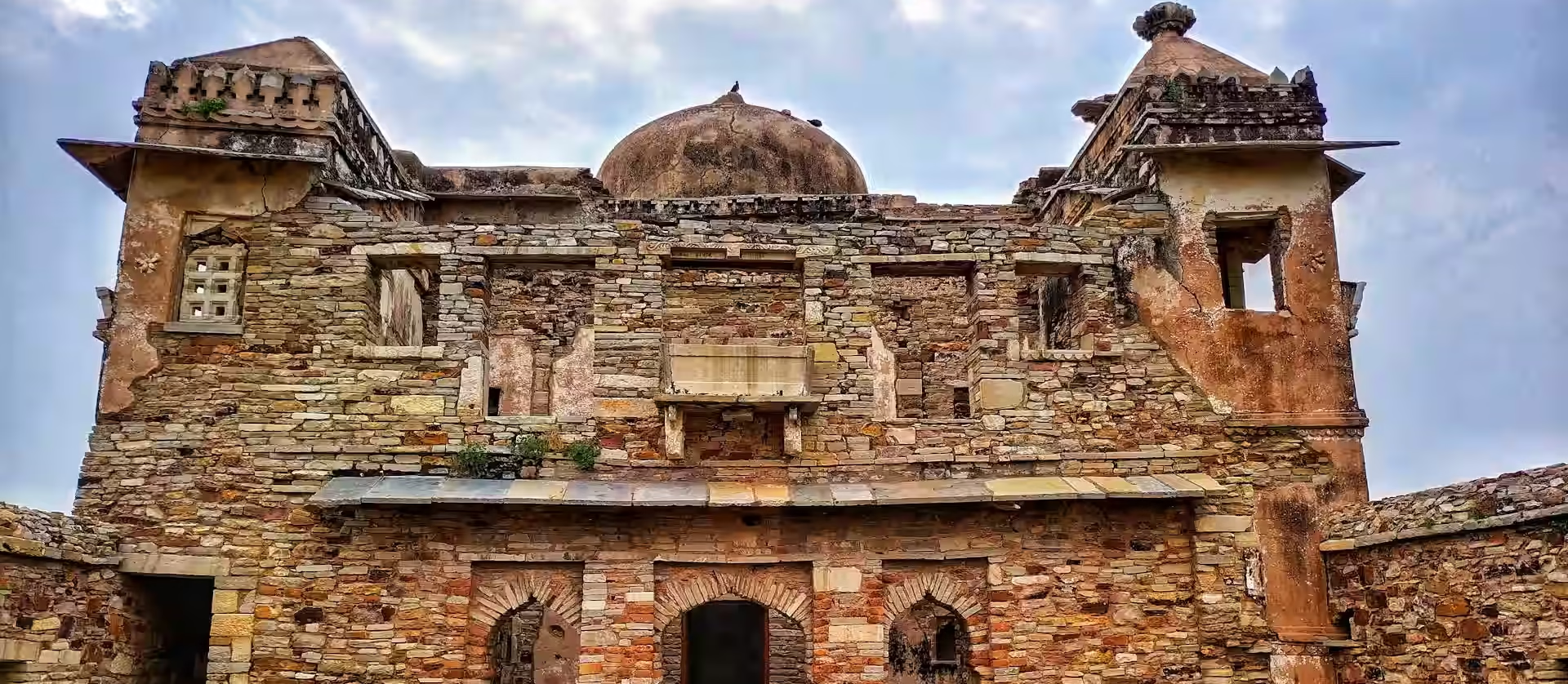
Chittorgarh Fort
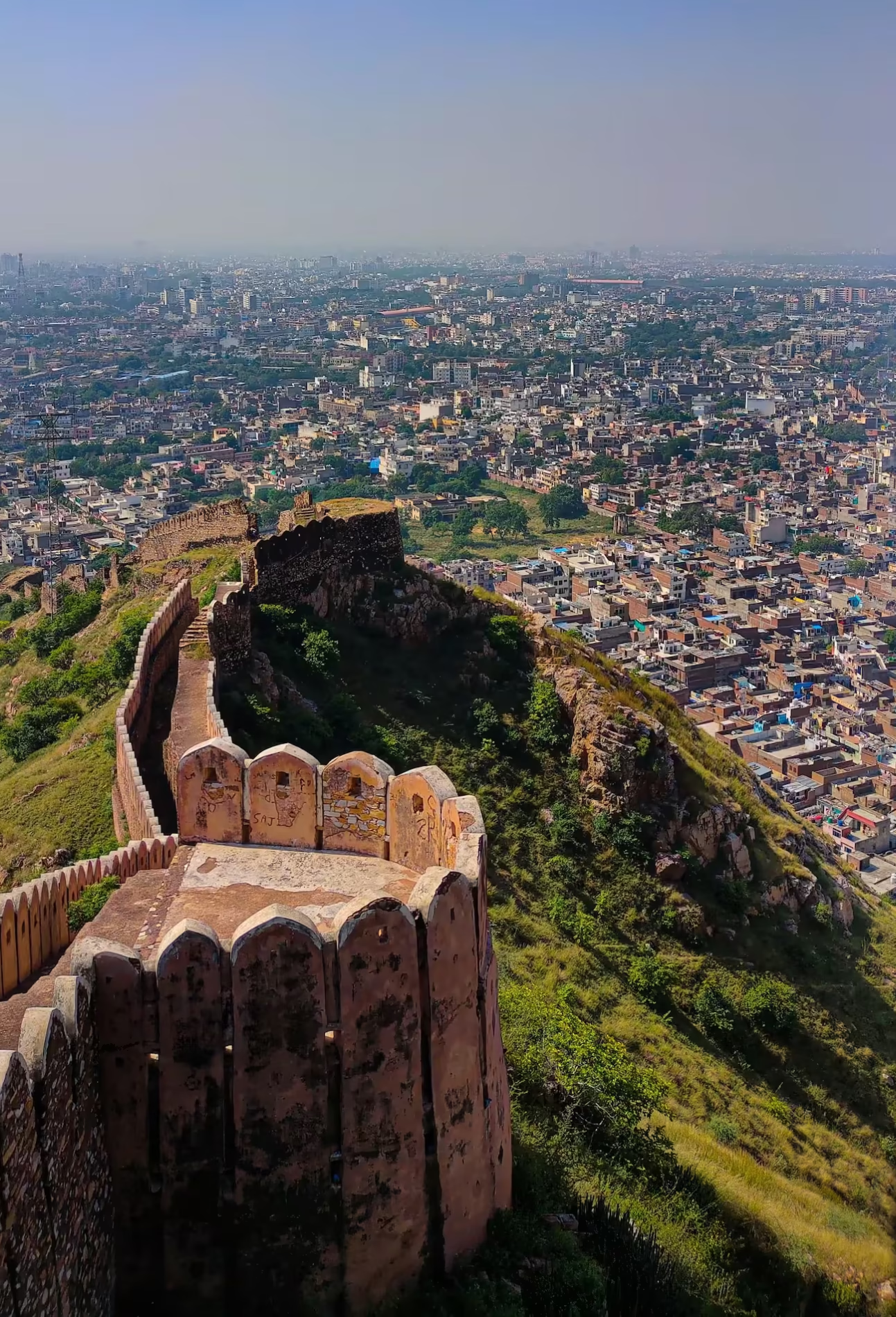
Nahargarh Fort
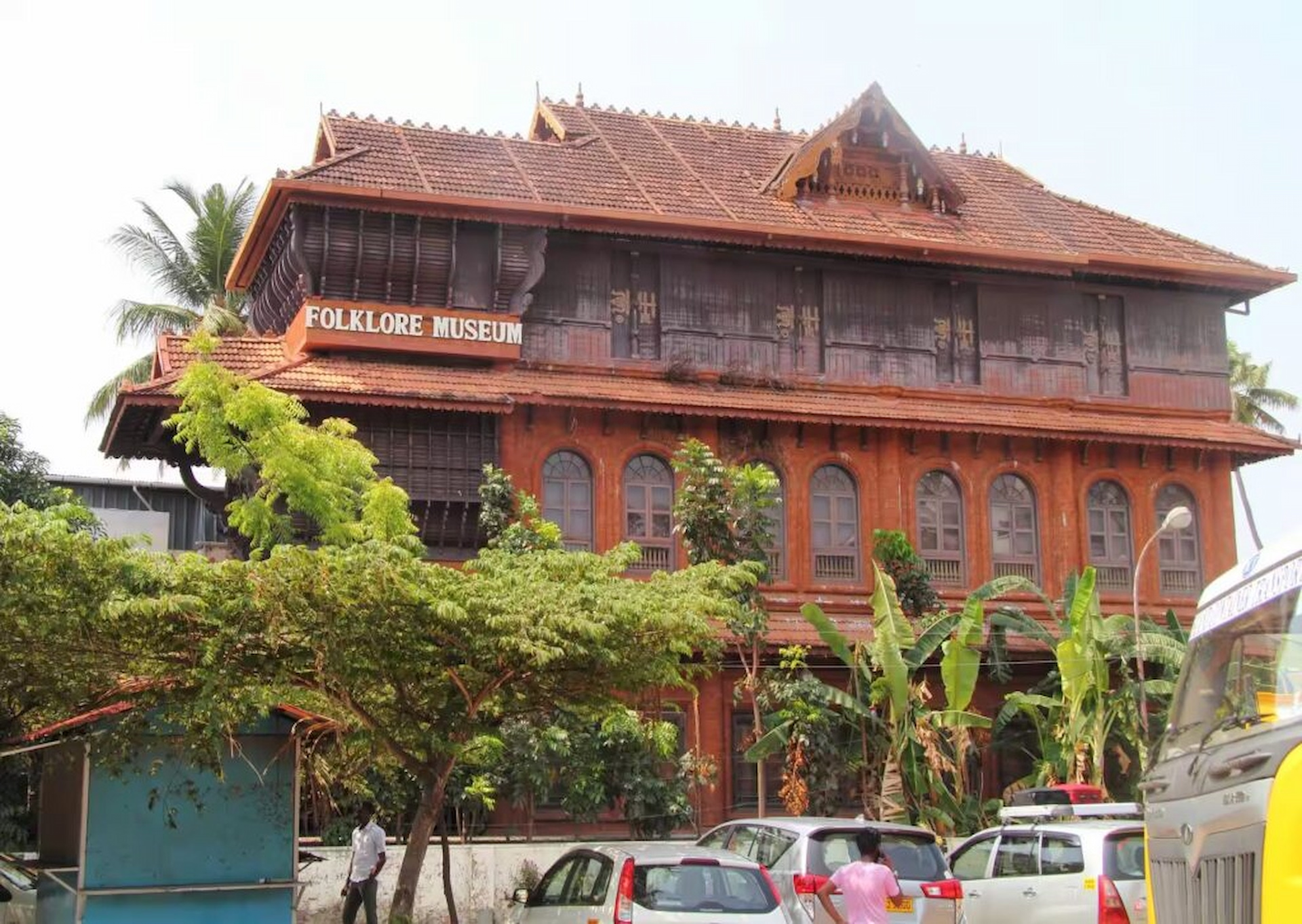
Kerala Folklore Museum