Periyar National Park
Overview
Periyar National Park: Kerala's Lake of the Wild
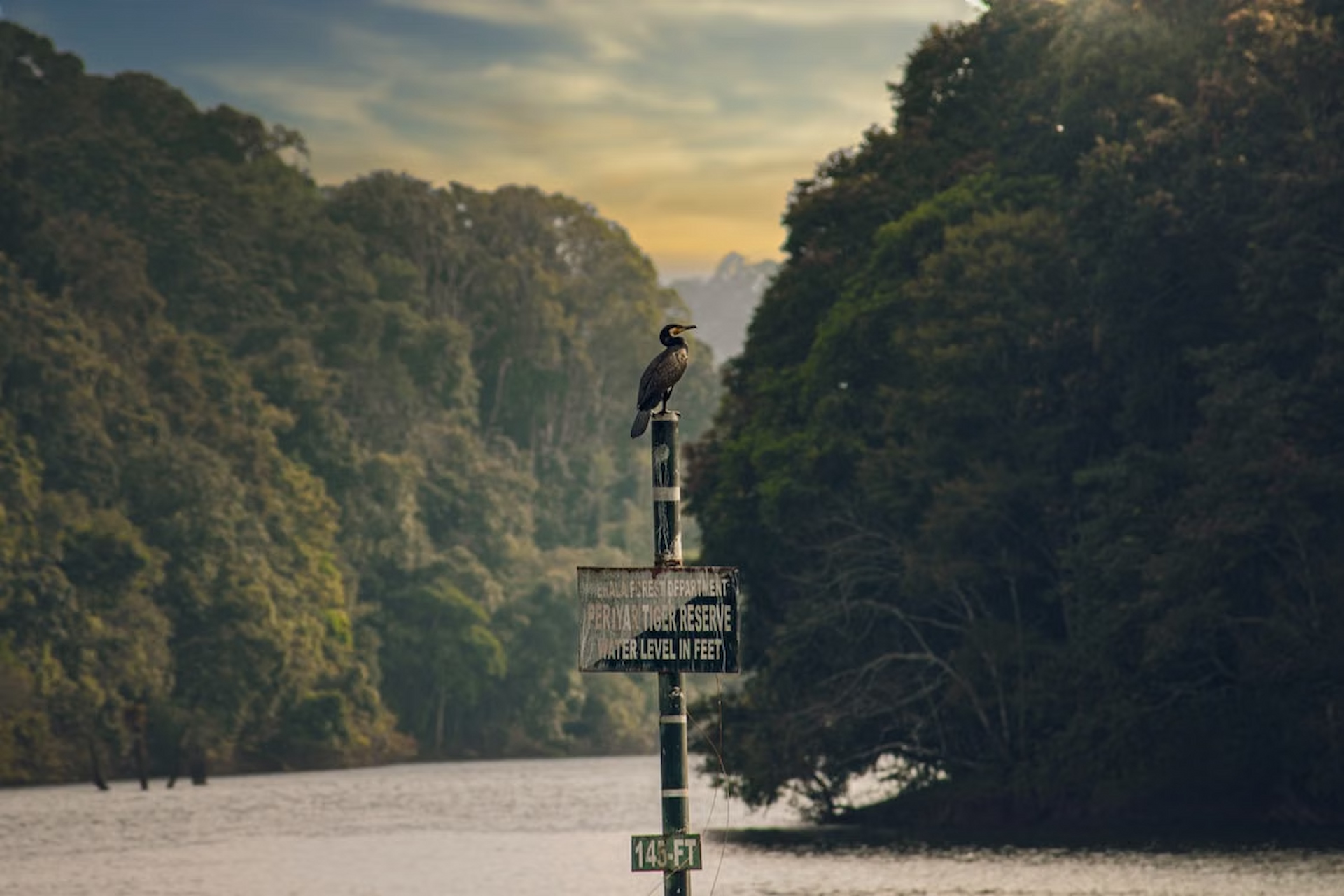
Periyar National Park sits in the Cardamom Hills of the Western Ghats, near the town of Thekkady in Kerala's Idukki district. At its heart lies Periyar Lake, an artificial reservoir formed after the Mullaperiyar Dam was built in 1895. Visitors explore the park mainly by boat, drifting past herds of elephants, sambar deer, and wild gaur that come down to the water's edge to drink.
A typical visit runs 2 to 3 hours if you stick to the boat safari, though nature walks, bamboo rafting, and multi-day treks let you spend a full day or more inside the reserve. Early morning slots see the most wildlife activity and the smallest crowds.
Open Hours
Open Days: All days of the week
Opening Time: 6:00 AM
Closing Time: 7:00 PM (last entry for general visitors around 5:00 PM)
Boat safari departures run in fixed slots: 7:30 AM–9:00 AM, 9:30 AM–11:00 AM, 11:15 AM–12:45 PM, 1:45 PM–3:15 PM and 3:30 PM–5:00 PM. Guided nature walks run from 7:00 AM to 10:00 AM and 2:00 PM to 5:00 PM, while border hiking and bamboo rafting run from 8:00 AM to 5:00 PM.
Entry Fee - Indians vs Foreigners
| Category | Ticket Price (INR) |
|---|---|
| Indian Adults | ₹45 |
| Indian Children | ₹15 |
| Foreign Adults | ₹500 |
| Foreign Children | ₹180 |
| Boat Safari (Adult) | ₹255 |
| Boat Safari (Child) | ₹85 |
About Periyar National Park
Periyar National Park lies across the districts of Idukki and Pathanamthitta in Kerala, spread over the Cardamom Hills and Pandalam Hills of the southern Western Ghats, right along the border with Tamil Nadu. The wider protected area, known as Periyar Tiger Reserve, covers about 925 square kilometers, and a core zone of roughly 350 square kilometers was formally notified as a national park in 1982.
The area has a long history as a protected landscape. It served as a hunting ground for the kings of Travancore through the 18th and 19th centuries. In 1895, the British built the Mullaperiyar Dam across the Periyar River, and the reservoir that formed behind it became Periyar Lake. By 1899, the forests around the lake were set aside as the Periyar Lake Reserve to stop logging and unchecked hunting. In 1934, the Maharaja of Travancore, Chithira Thirunal Balarama Varma, blocked tea planters from encroaching further and established the Nellikkampatty Game Sanctuary. The sanctuary was consolidated in 1950, brought under Project Tiger in 1978 as one of India's earliest tiger reserves, and given national park status for its core area in 1982. Project Elephant added the reserve to its program in the early 1990s.
Two rivers, the Periyar and the Pamba, rise within the reserve and form an important watershed for central Kerala. The terrain rises from about 900 meters to over 2,000 meters at its highest point, Kottamalai, producing a mix of tropical evergreen forest, moist deciduous forest, grassland, and lake-edge wetland within a fairly compact area.
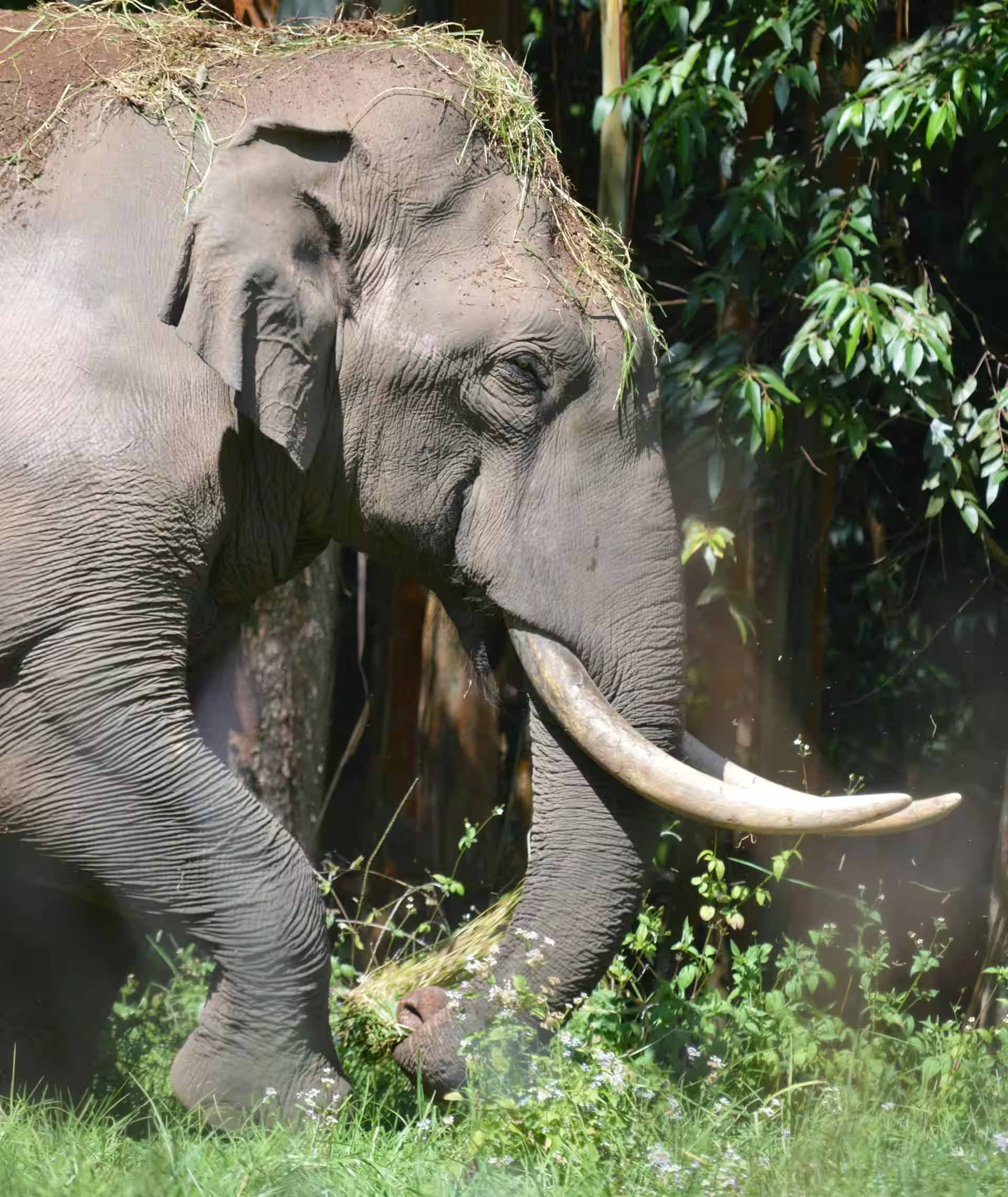
Periyar is home to more than 35 species of mammals, including tigers, Asian elephants, leopards, gaur, sambar deer, wild boar, Nilgiri langurs, and the lion-tailed macaque. Over 265 species of birds have been recorded here, along with a wide range of reptiles, amphibians, and butterflies. The reserve is also part of the Periyar-Agasthyamalai landscape recognized under UNESCO's World Network of Biosphere Reserves.
What To Expect
Periyar Lake Boat Safari
Boat cruises across Periyar Lake are a popular way to explore the reserve, with opportunities to spot elephants, deer, and waterbirds along the shoreline.
Dense Evergreen and Deciduous Forest
The reserve combines tropical evergreen forests, moist deciduous woodland, and grassland, creating a varied landscape for wildlife viewing.
Bamboo Rafting
Guided bamboo rafting takes small groups through quieter parts of the forest, combining rafting with nature walks led by trained forest guides.
Border Hiking
Guided treks along designated forest trails offer a slower way to explore the landscape while looking for wildlife signs and birdlife.
Tiger Trail Trek
This guided trekking programme takes visitors deeper into the forest and may include overnight camping experiences for small groups.
Spice Plantations of Thekkady
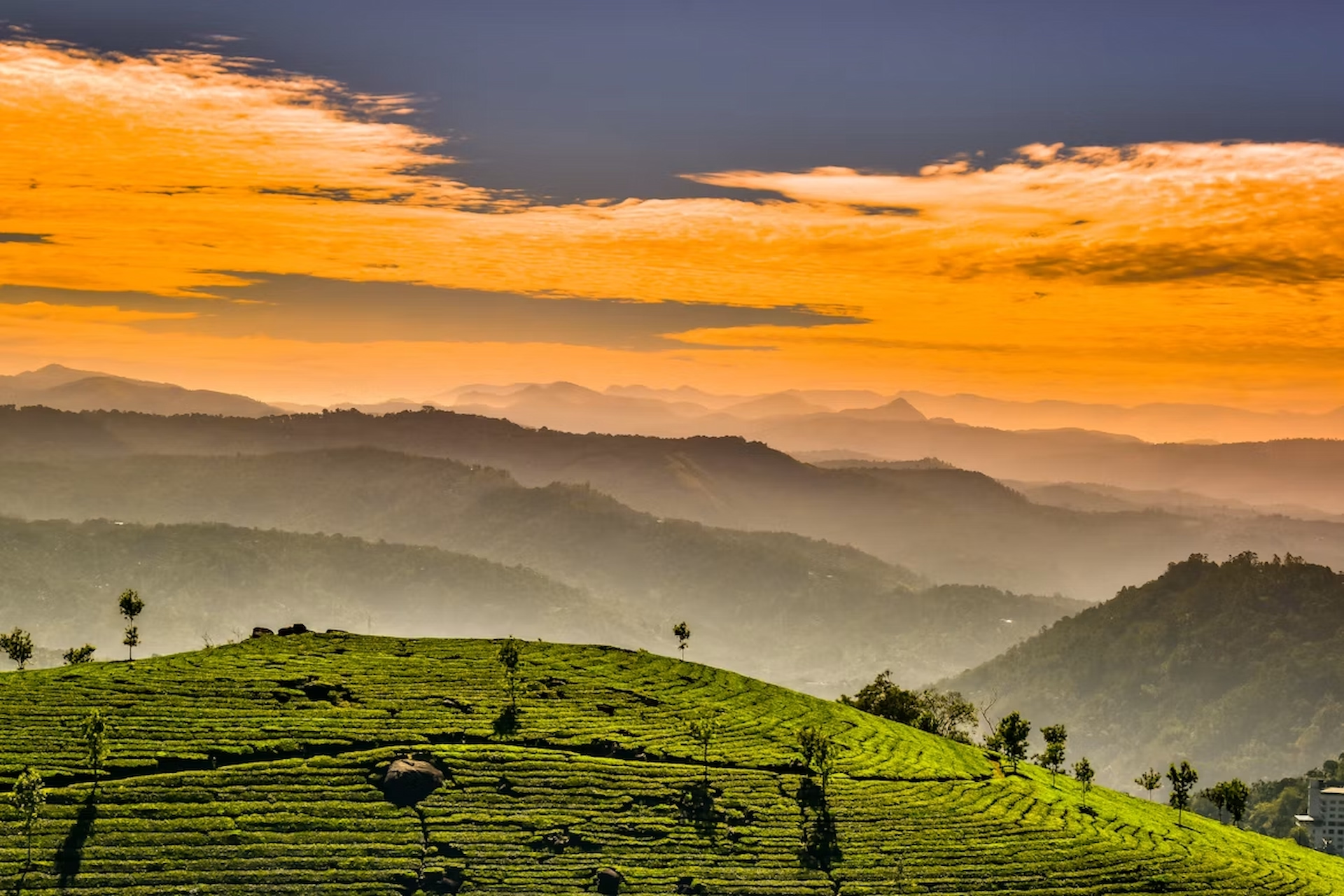
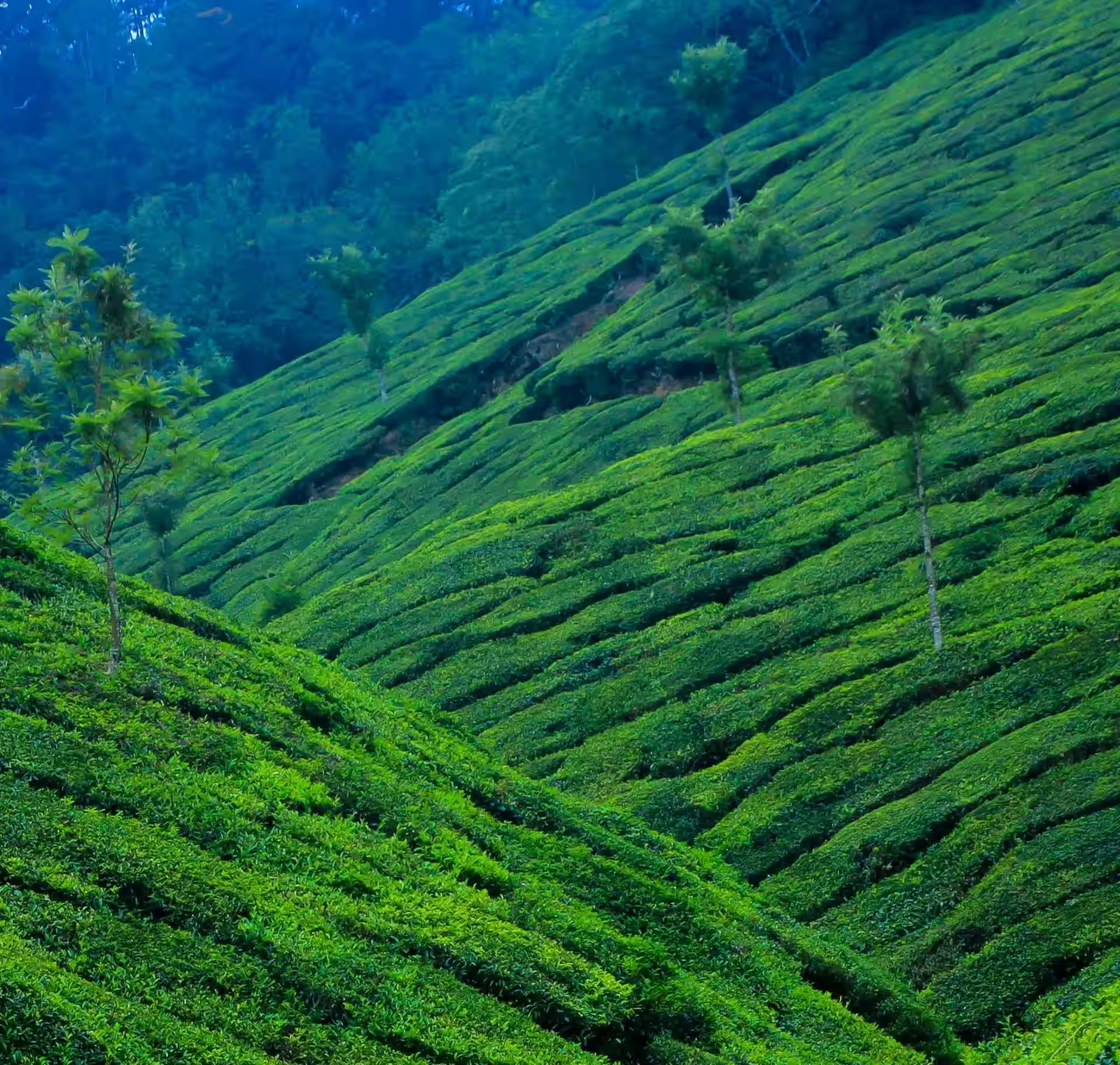
The hills around Thekkady are known for cardamom, pepper, and tea plantations, with several estates offering guided walks and tours.
How to Reach Periyar National Park
By Air
The nearest airport is Madurai Airport in Tamil Nadu, about 140 km away. Cochin International Airport is farther, at around 190 km, but has more international connections. Taxis are available from both airports to Thekkady.
By Rail
Kottayam Railway Station is the nearest railhead, roughly 114 km from the park. It sits on the main line connecting Kerala's coastal cities, and taxis or buses cover the onward journey to Thekkady.
By Road
Thekkady is well connected by road to Kochi (about 165 km), Kottayam (about 110 km), Madurai (about 140 km) and Munnar (about 90 km). KSRTC buses and private taxis run regularly from these cities, and the drive itself passes through scenic hill and plantation country.
Frequently Asked Questions
Where is Periyar National Park located?
Periyar National Park is located in the Idukki and Pathanamthitta districts of Kerala, in the Cardamom Hills of the Western Ghats, near the town of Thekkady.
What is Periyar National Park famous for?
It is known for its boat safaris on Periyar Lake, its healthy population of wild elephants, and its status as one of India's early tiger reserves, set within a mix of evergreen forest and grassland.
What is the entry fee for Periyar National Park?
Indian nationals pay ₹45 for adults and ₹15 for children, while foreign nationals pay ₹500 for adults and ₹180 for children. The boat safari costs extra, at ₹255 per adult and ₹85 per child.
Is the boat safari included in the park entry fee?
No, the boat safari is booked separately from general park entry. It is best booked in advance through the official Periyar Tiger Reserve portal, since seats sell out quickly at the counter.
What is the best time to visit Periyar National Park?
October to May is generally considered the best period, with December to February offering cooler weather and March to May increasing the chances of spotting elephants near the shrinking lake shoreline.
Similar Places to Visit
Silent Valley National Park
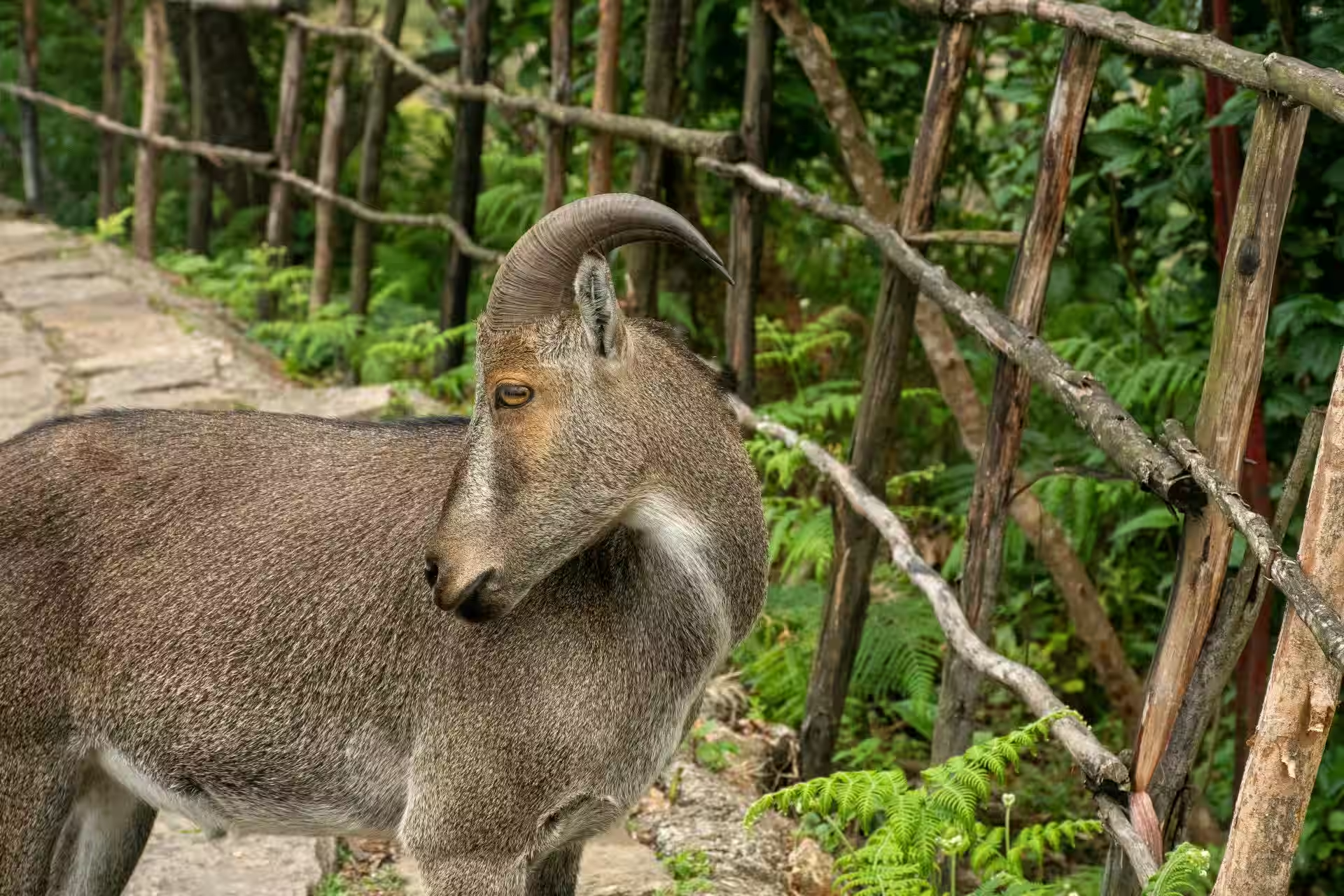
Eravikulam National Park
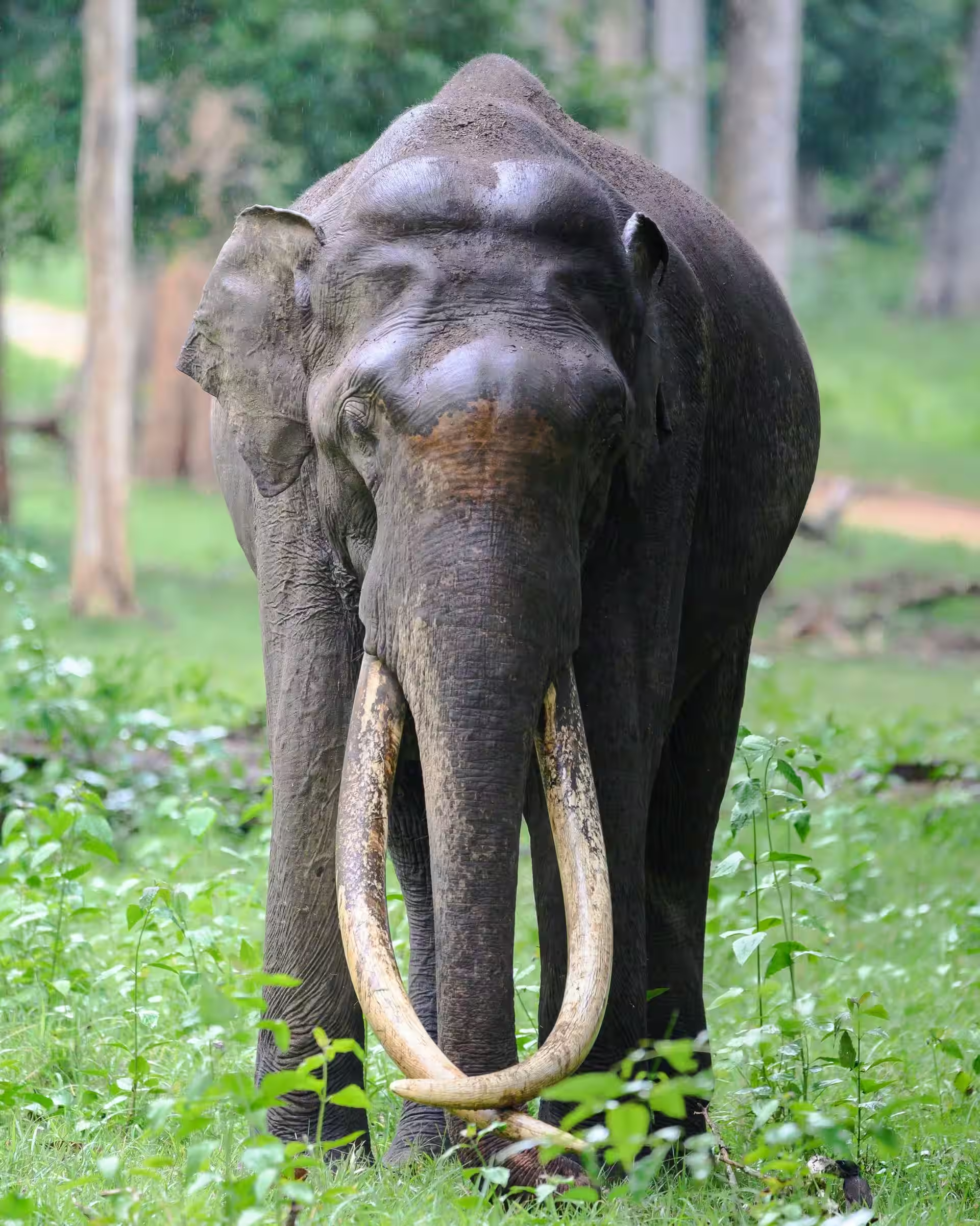
Wayanad Wildlife Sanctuary
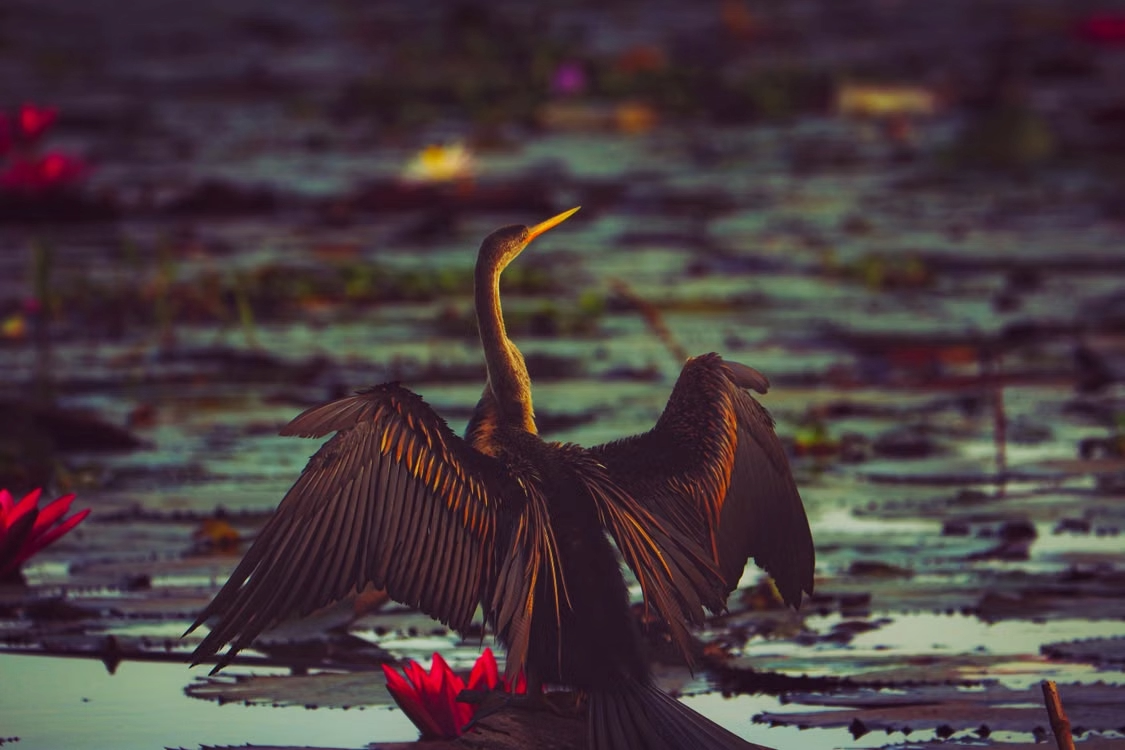
Kumarakom Bird Sanctuary