
Wayanad Wildlife Sanctuary
Overview
Wayanad Wildlife Sanctuary: Kerala's Gateway to the Nilgiri Wilderness
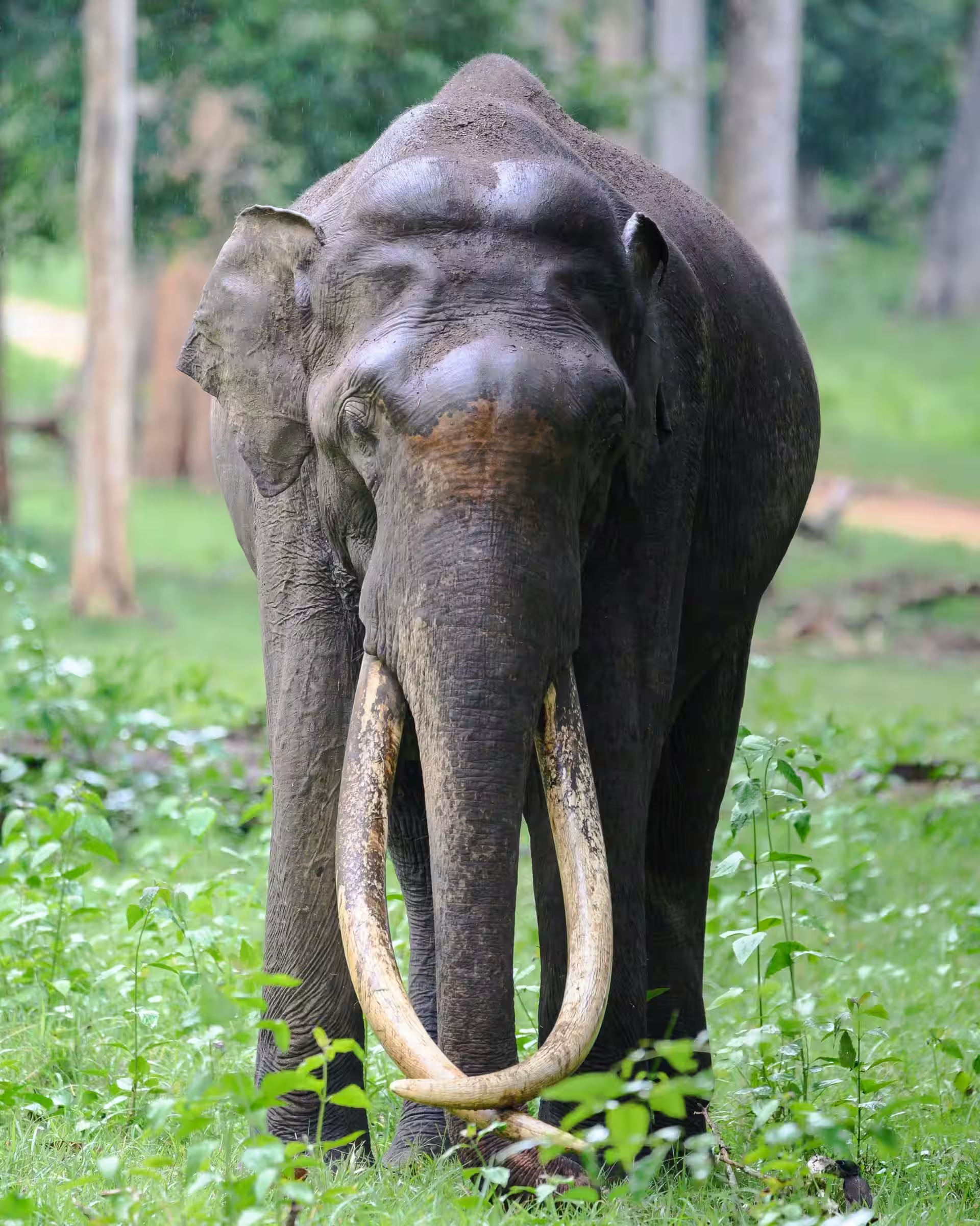
Wayanad Wildlife Sanctuary is one of Kerala's most rewarding wildlife destinations, spread across two forest divisions, Muthanga and Tholpetty, that link up with Bandipur in Karnataka and Mudumalai in Tamil Nadu. Visitors explore the sanctuary on a forest-department jeep safari, since private vehicles and walking are not allowed inside the core tourism zone. Elephant herds are the star attraction here, and sightings of gaur, deer, and langurs are common, while tigers and leopards appear only rarely.
A visit typically lasts 2 to 3 hours across a single safari slot, and early morning departures give the best chance of animal activity before the heat sets in. The sanctuary closes for a short stretch each year between mid-March and mid-April, then reopens through the monsoon.
Open Hours
Open Days: All days of the week
Opening Time: 7:00 AM – 10:00 AM
Closing Time: 3:00 PM – 5:00 PM
Safaris run in two batches through both the Muthanga and Tholpetty entry points, with a strict cap on vehicles per batch, typically around 40 jeeps in the morning and 20 in the evening at each gate. Arriving at least an hour early is essential during the November-to-March peak season, when spot-booking queues build up fast.
Entry Fee - Indians vs Foreigners
| Category | Approximate Fee (INR) |
|---|---|
| Indian Adult (Entry, per person) | ₹110 – ₹115 |
| Indian Child / Student (Entry) | ₹40 |
| Foreign National (Entry, per person) | ₹300 |
| Jeep Safari (per jeep, 6–7 seats) | ₹600 |
About Wayanad Wildlife Sanctuary
Wayanad Wildlife Sanctuary was established in 1973 as part of Project Elephant and now spreads across roughly 344 square kilometers in Kerala's Wayanad district. It sits within the Nilgiri Biosphere Reserve, a UNESCO-recognized Man and Biosphere zone that also takes in Bandipur Tiger Reserve in Karnataka and Mudumalai Tiger Reserve in Tamil Nadu, forming one continuous forest corridor for wide-ranging species like elephants and tigers.
The sanctuary is made up of two separate forest pockets rather than one connected block. Muthanga lies about 15 to 18 kilometers east of Sulthan Bathery and borders Karnataka's Bandipur reserve. Tholpetty sits near Thirunelli in the north, close to the Nagarhole range across the Karnataka border. Both zones run jeep safaris independently, and which one a visitor picks usually comes down to where they are staying rather than any real difference in sightings.
Vegetation ranges from moist and dry deciduous forest to patches of semi-evergreen cover, bamboo thickets, and marshy grassland clearings known locally as vayals. The Kabini River, a tributary of the Cauvery, flows through the reserve. Wayanad also holds historical weight as one of the forest refuges used by Pazhassi Raja during his resistance against British colonial forces in the early 19th century.
The forest supports one of the largest wild elephant populations in Asia, alongside tigers, leopards, gaur, sambar deer, and the Malabar giant squirrel. It is also the only remaining vulture habitat in Kerala, sheltering both the white-rumped vulture and the red-headed vulture. Several indigenous communities, including the Kattunaikar and Paniya tribes, live in settlements within the sanctuary's boundaries.
What To Expect
Jeep Safari
Guided jeep safaris provide access to designated tourism areas, with forest staff accompanying visitors through the sanctuary's wildlife habitats.
Elephant Sightings
Wayanad Wildlife Sanctuary supports an important wild elephant population, and herds may be spotted near water sources, grasslands, and forest clearings.
Birdwatching
The sanctuary supports diverse birdlife, including crested serpent eagles, Malabar grey hornbills, Malabar larks, and several species of vultures.
Two Distinct Zones
Muthanga in the south and Tholpetty in the north have separate entry points and safari operations, offering different options for visitors.
Watchtowers and Viewpoints
Designated watchtowers and viewpoints provide elevated perspectives across forest clearings and grasslands, improving chances of spotting wildlife at a distance.
How to Reach Wayanad Wildlife Sanctuary
By Air
Calicut International Airport (Kozhikode) is the nearest airport, roughly 90–120 km away depending on whether you are headed to Muthanga or Tholpetty. Taxis are available for the onward drive, which takes around 2.5 to 3 hours.
By Rail
Wayanad has no railway station of its own. Kozhikode Railway Station is the nearest major railhead, about 100–110 km away, and is well connected to major Indian cities. Taxis and buses run from the station toward Sulthan Bathery or Mananthavady.
By Road
Sulthan Bathery, about 15–18 km from the Muthanga entrance, is the main gateway town for the southern zone, while Mananthavady serves visitors heading to Tholpetty in the north. Both towns are well connected by road to Kozhikode, Mysore, and Bengaluru.
Frequently Asked Questions
Where is Wayanad Wildlife Sanctuary located?
It is located in the Wayanad district of Kerala, split between the Muthanga range in the south and the Tholpetty range in the north, within the Nilgiri Biosphere Reserve.
What is Wayanad Wildlife Sanctuary famous for?
It is known for its large wild elephant population, jeep safaris through moist deciduous and semi-evergreen forest, and its role as a corridor connecting Bandipur and Mudumalai reserves.
What is the entry fee for Wayanad Wildlife Sanctuary?
Indian citizens pay around ₹125 for entry, foreign tourists pay around ₹525, and a separate jeep safari fee of roughly ₹300 to ₹680 applies on top of the entry ticket.
Is photography allowed inside the sanctuary?
Yes, photography is generally allowed, though carrying a still or video camera may involve a small additional charge, and some restricted zones may not permit filming.
What is the best time to visit Wayanad Wildlife Sanctuary?
October to March is considered the best window, with cooler weather and better visibility for jeep safaris. The sanctuary typically closes for a short period between mid-March and mid-April.
Similar Places to Visit
Periyar National Park
Silent Valley National Park
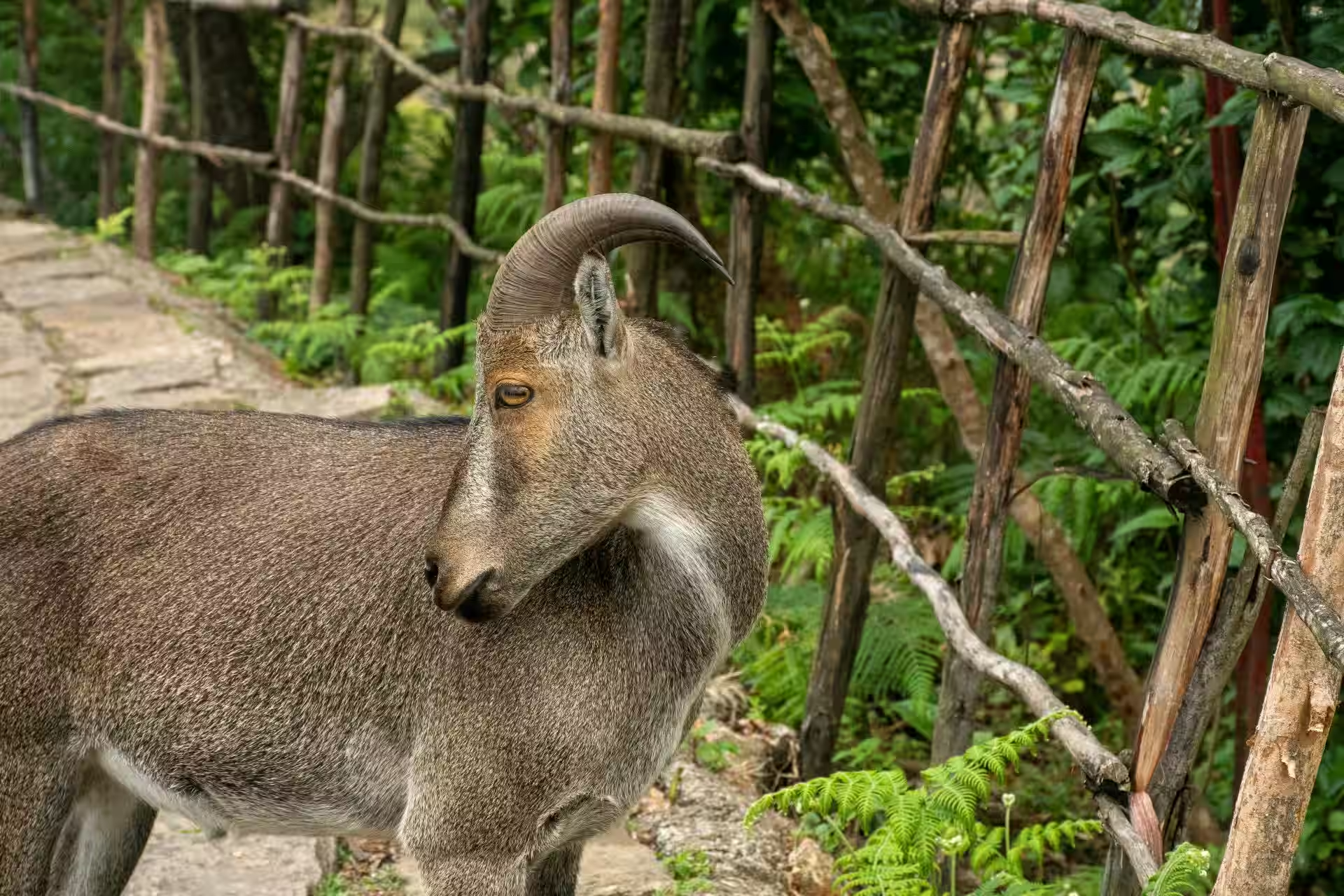
Eravikulam National Park
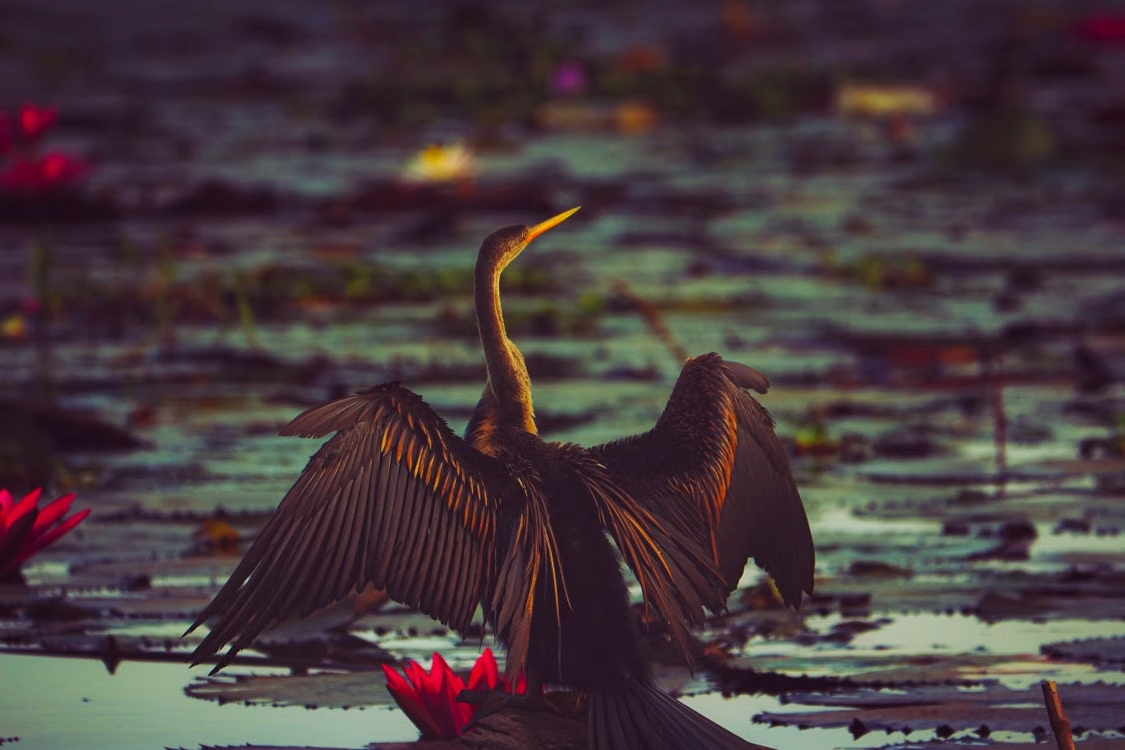
Kumarakom Bird Sanctuary