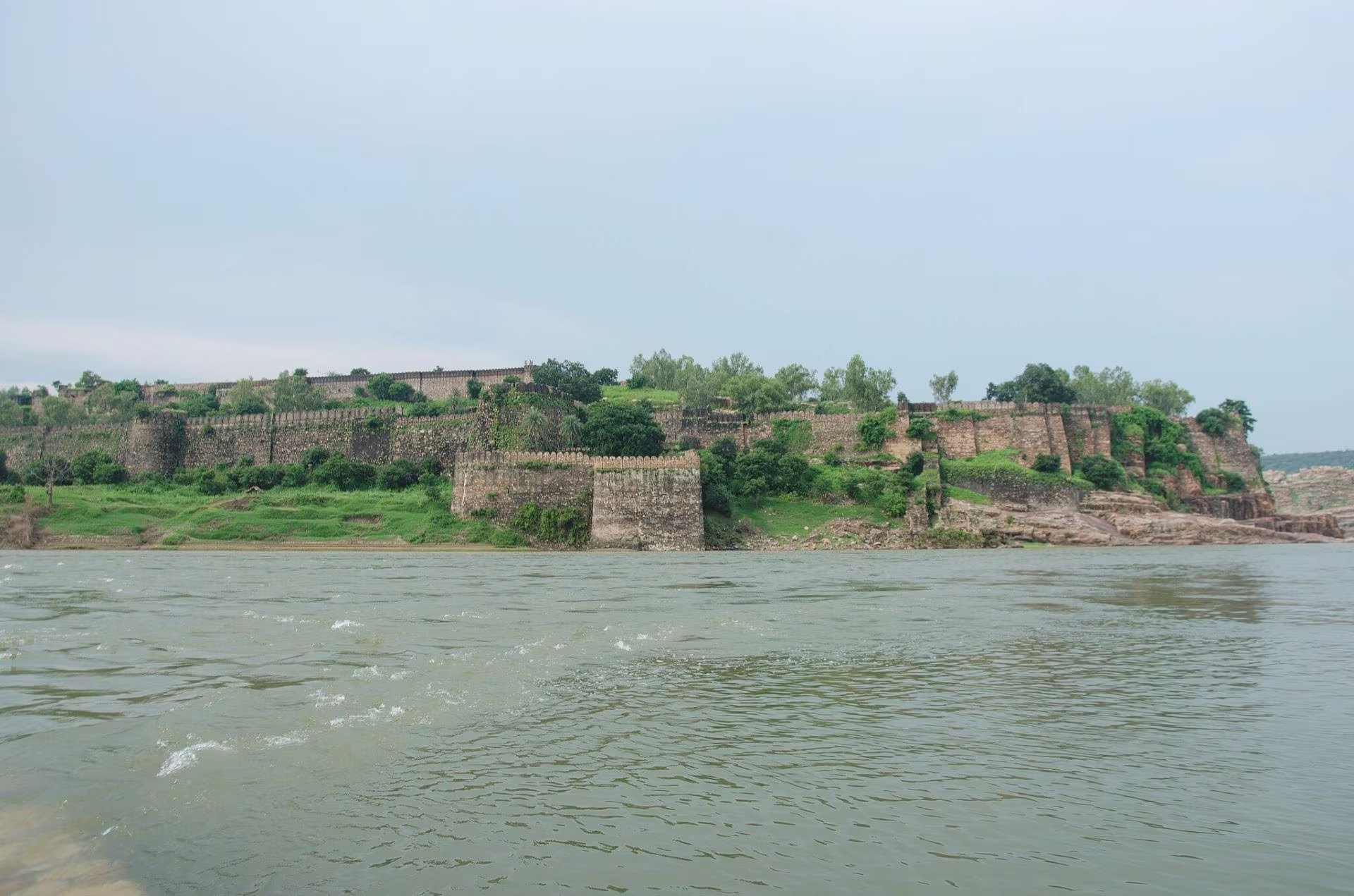
Chittorgarh Fort
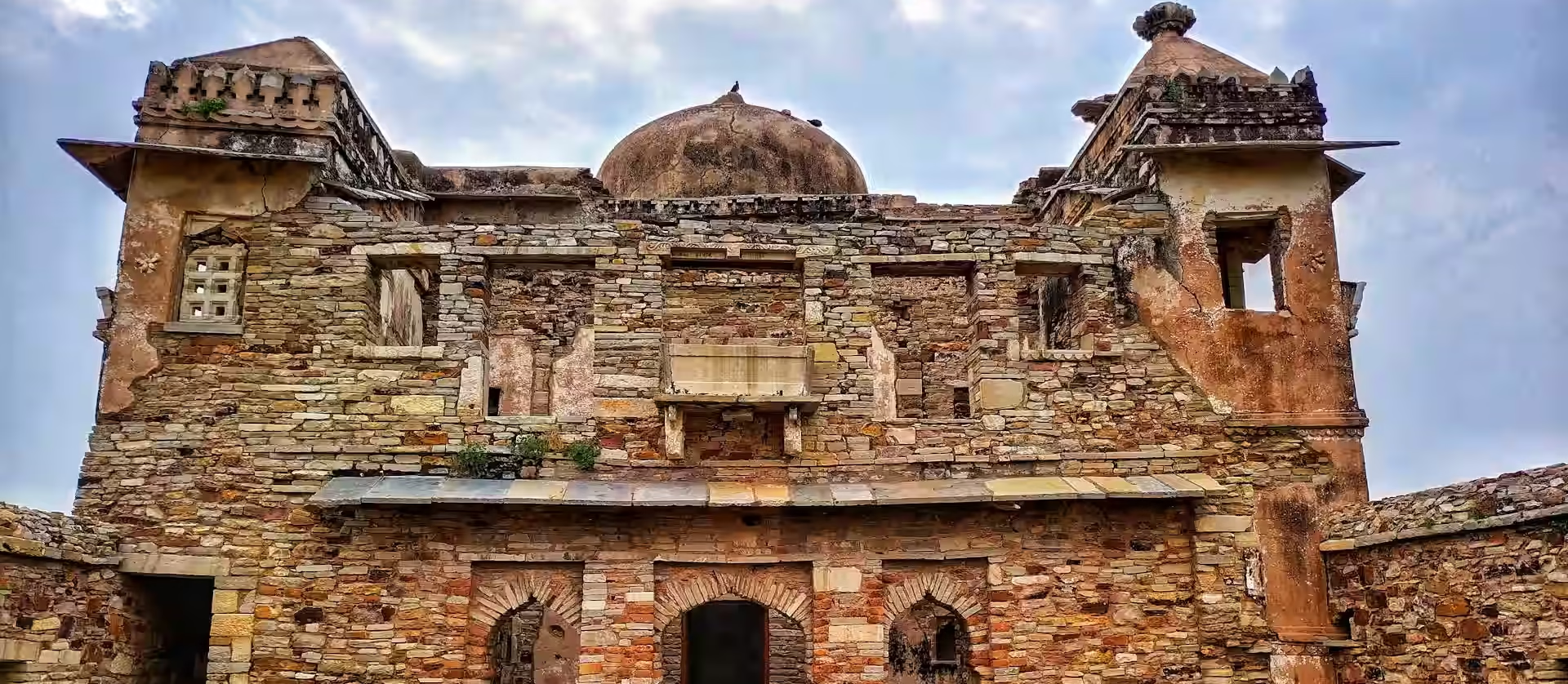
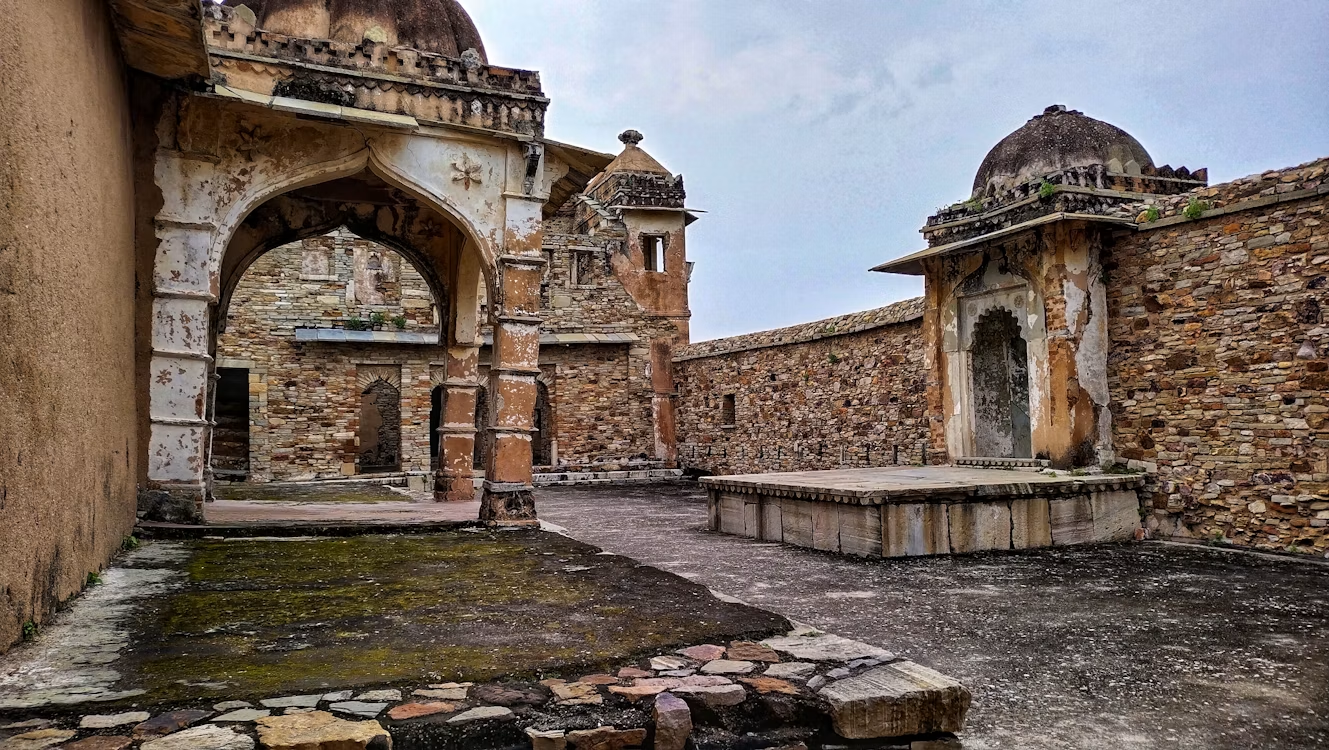
Overview
Chittorgarh Fort: The Largest Fort in India
Chittorgarh Fort is the biggest hill fort in Rajasthan, and its scale is the first thing visitors notice. The complex is large enough that most people hire a car or auto to get between the towers, palaces, and temples spread across the hilltop rather than walking the whole route. Because the site is so spread out, crowds thin quickly once you move past the main entrance, and it's easy to find quiet corners even during peak season.
Given its size and its long, layered history, the fort rewards a slow visit. Plan for 3 to 4 hours, and go in the morning to avoid the midday heat, since much of the walking is exposed to the sun. An evening light and sound show runs after regular hours for those who want to stay longer and hear the fort's story told after dark.
Open Hours
Open Days: All days of the week
Opening Time: 9:00 AM
Closing Time: 6:00 PM
Visitors can walk or drive through the full complex, including Vijay Stambh, Kirti Stambh, Rana Kumbha Palace, and Padmini Palace. An evening light and sound show runs after closing, telling the story of the fort's sieges and the sacrifices made to defend it.
Entry Fee - Indians vs Foreigners
| Category | Ticket Price (INR) |
|---|---|
| Indian / SAARC / BIMSTEC Citizens | ₹40 |
| Foreign Tourists | ₹60 |
| Children below 15 years | Free |
About Chittorgarh Fort
Chittorgarh Fort, also called Chittor Fort, is the largest fort in India and one of the most visited monuments in Rajasthan. It sits on a hill roughly 152 meters high above the Berach River, about 112 kilometers from Udaipur. The Archaeological Survey of India credits its construction to Chitrangad of the Mori dynasty in the 7th century AD, and the fort later passed through the Pratiharas, Parmaras, Solankis, and finally the Guhilots, or Sisodia Rajputs.
The fort was the capital of the Mewar kingdom for centuries and stood at the center of Rajput resistance against outside armies. It was sacked three times, by Alauddin Khilji in 1303, by Bahadur Shah of Gujarat in 1535, and by Mughal emperor Akbar in 1567 to 1568. Each siege ended with the defenders fighting to the last man and the women of the fort performing jauhar rather than surrender.
The complex is entered through seven gates, ending at Ram Pol, built in 1459. Its most recognized landmark is Vijay Stambh, the 37-meter Tower of Victory built by Rana Kumbha in 1448, standing near Kirti Stambh, a smaller Jain tower from around 1300. Padmini Palace, Rana Kumbha Palace, and Fateh Prakash Palace, now a museum, sit within the same grounds.
Chittorgarh Fort was named a UNESCO World Heritage Site in 2013, as part of a group of six hill forts in Rajasthan.
What To Expect
Vast Fort Complex
Chittorgarh Fort covers 700 acres and holds palaces, temples, towers, and reservoirs. The scale makes a vehicle or auto-rickshaw useful for covering the full site.
Vijay Stambh
The Tower of Victory is the fort's best-known landmark, built by Rana Kumbha in 1448. Visitors can climb its internal stairway for a wide view over the fort and the town below.
Kirti Stambh
This Jain tower of fame predates Vijay Stambh by over a century. Its carved surface shows figures of Jain tirthankaras across six storeys.
Padmini Palace
This palace sits beside a still pond and is linked to the story of Rani Padmini. The reflection of its white walls in the water draws photographers.
Rana Kumbha Palace
This is the oldest and largest palace inside the fort, with ruined halls, stables, and the site linked to Rani Padmini's jauhar.
Light and Sound Show
Held after sunset, the show retells the fort's history and sieges using light, narration, and sound across the walls of the complex.
How to Reach Chittorgarh Fort
By Air
Chittorgarh has no airport of its own. Maharana Pratap Airport in Udaipur is about 90 km away. A private car or taxi takes around 2 hours to comfortably reach Chittorgarh.
By Rail
Chittorgarh Junction is well connected to major cities including Udaipur, Jaipur, Ajmer, Delhi, and Kota. From the station, you can take a private car, taxi, or auto-rickshaw to Chittorgarh Fort.
By Road
Chittorgarh is well connected by road to Udaipur, Jaipur, Ajmer, and other major cities. Private cars, taxis, and regular bus services make it easy to reach the city and continue to the fort.
Frequently Asked Questions
Where is Chittorgarh Fort located?
Chittorgarh Fort sits on a hill above the Berach River, about 112 kilometers from Udaipur in Rajasthan.
What is Chittorgarh Fort famous for?
It is famous for being the largest fort in India, for Vijay Stambh and Kirti Stambh, and for its history of three sieges and jauhar tied to Rajput resistance.
What is the entry fee for Chittorgarh Fort?
Indian, SAARC, and BIMSTEC citizens pay ₹40, foreign tourists pay ₹600, and children below 15 enter free.
Is photography allowed inside Chittorgarh Fort?
Yes, photography is allowed in most areas of the fort. Some sections inside Fateh Prakash Palace museum may have restrictions, so it's worth checking signage on site.
What is Vijay Stambh in Chittorgarh Fort?
Vijay Stambh, or the Tower of Victory, is a nine-storey tower built by Rana Kumbha in 1448. An internal stairway leads to the top, where visitors get a wide view of the fort and the plains beyond.
Similar Places to Visit
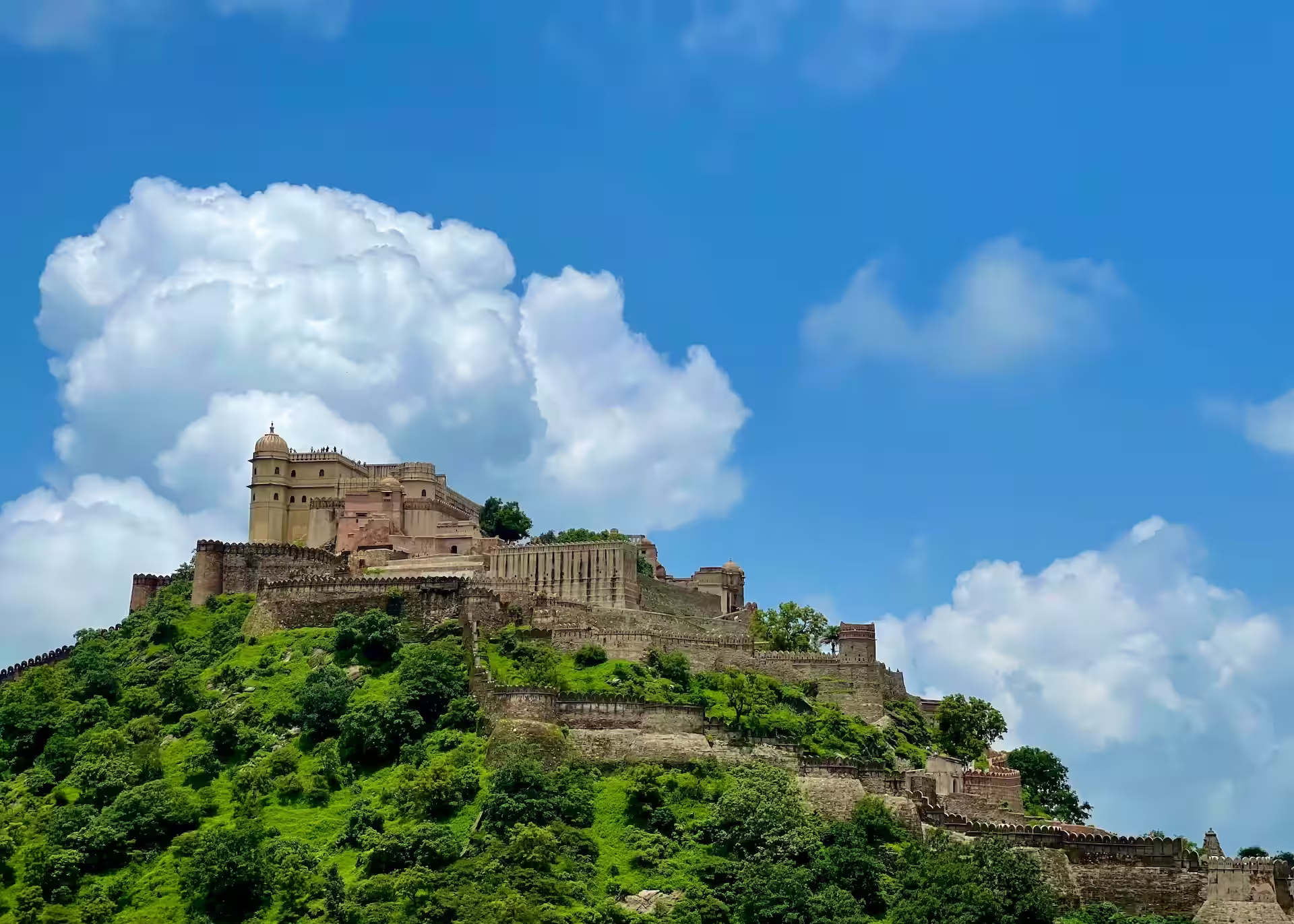
Kumbhalgarh Fort
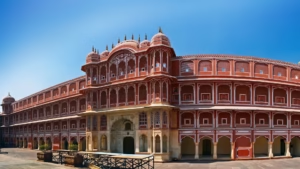
City Palace, Jaipur
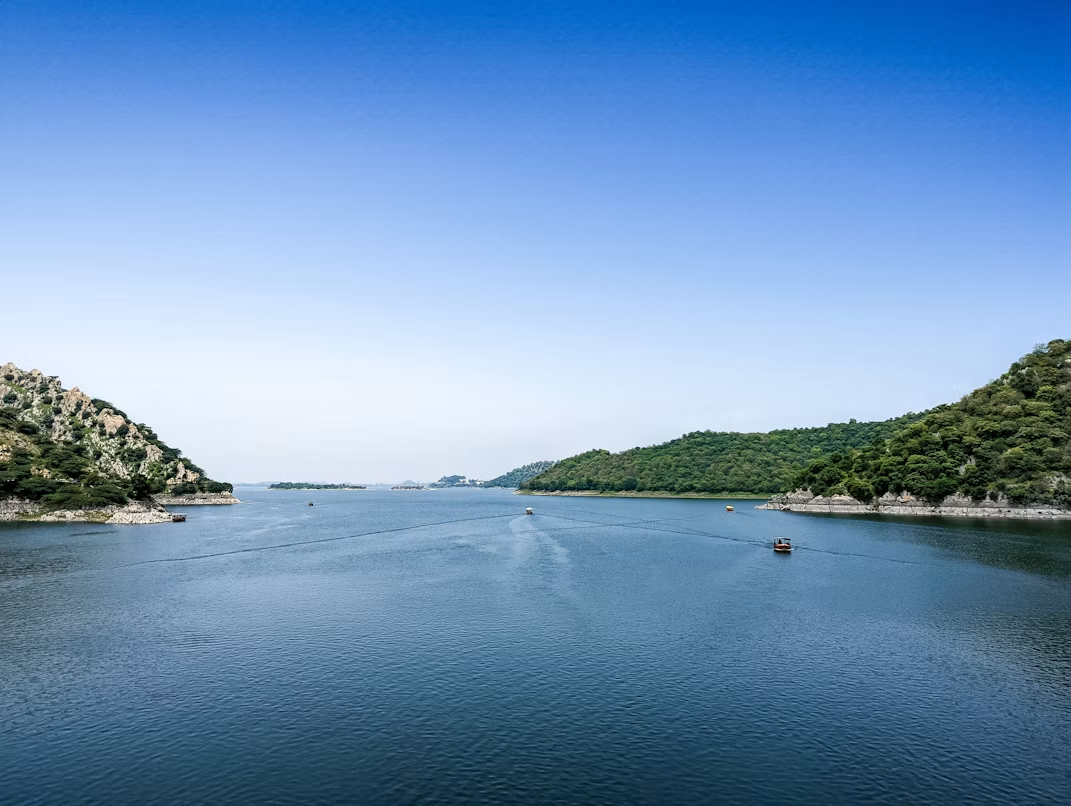
Jaisamand Lake
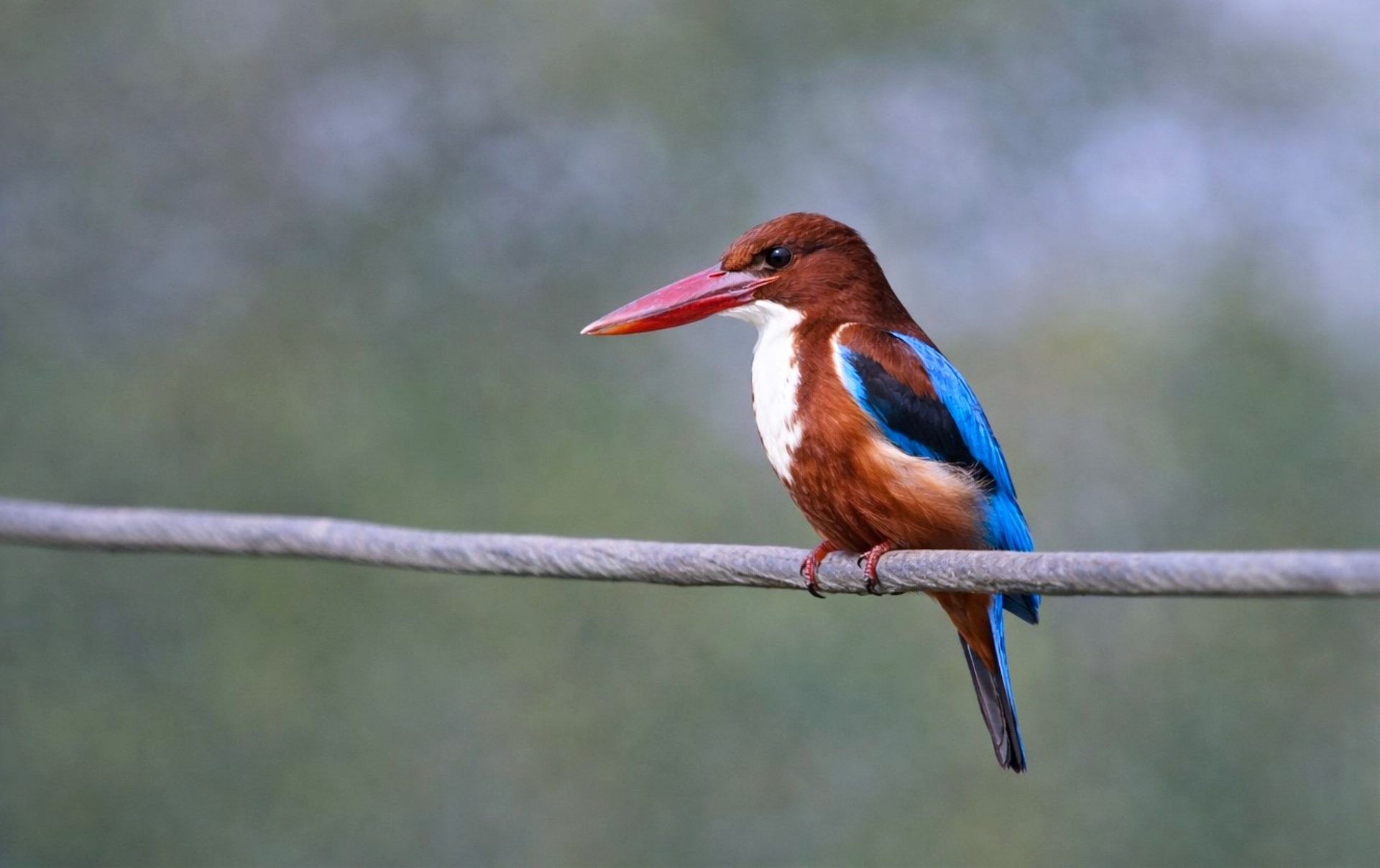
Bassi Wildlife Sanctuary