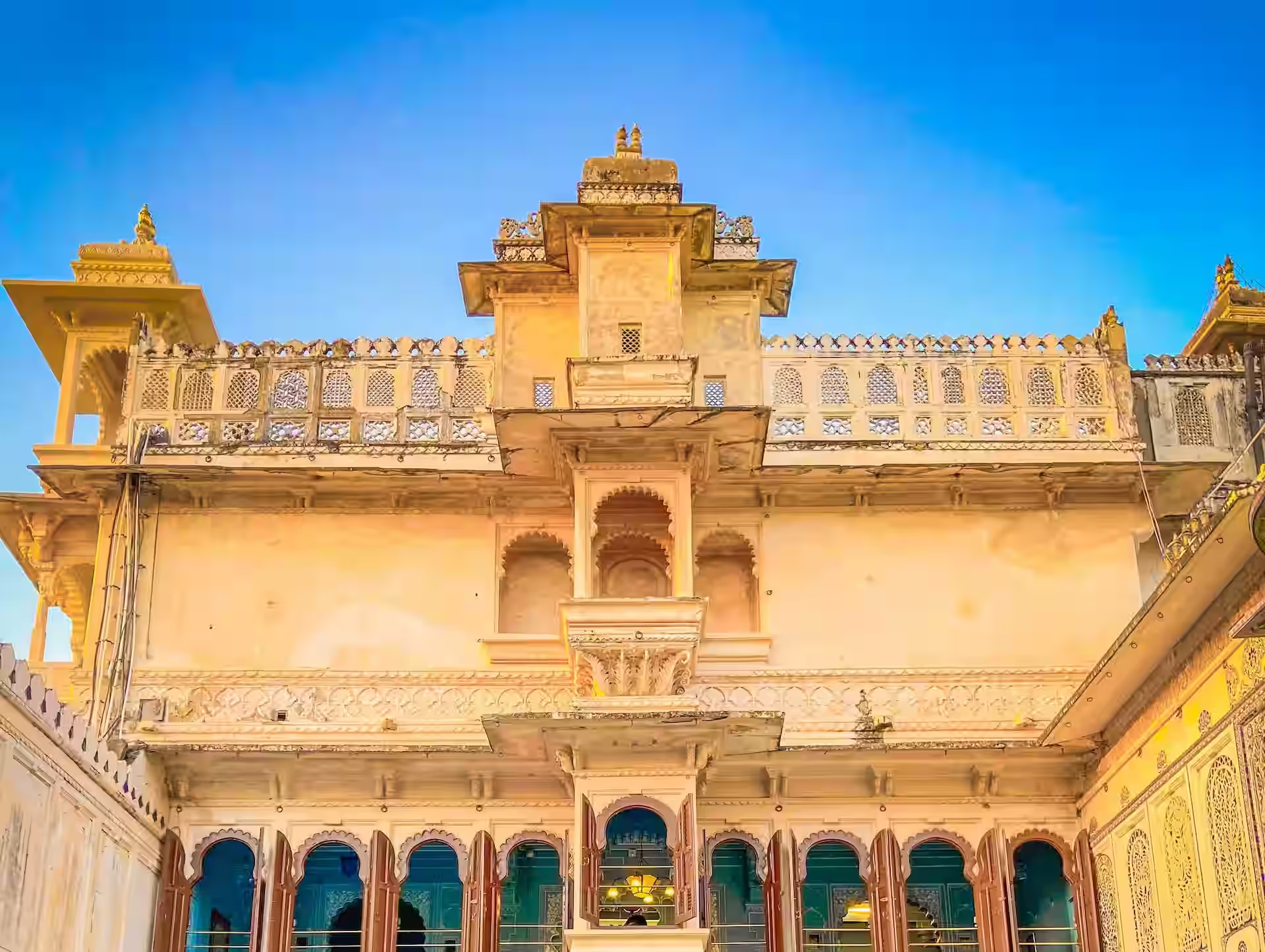
Ranthambore Fort
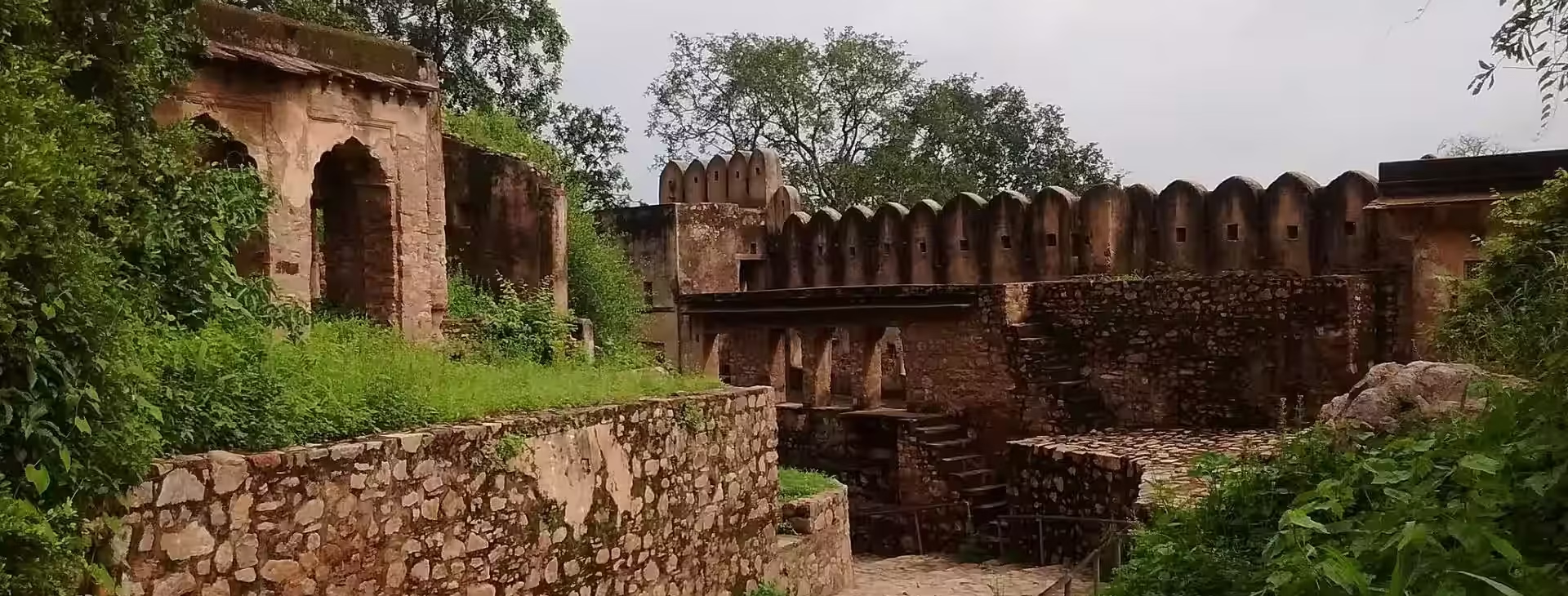
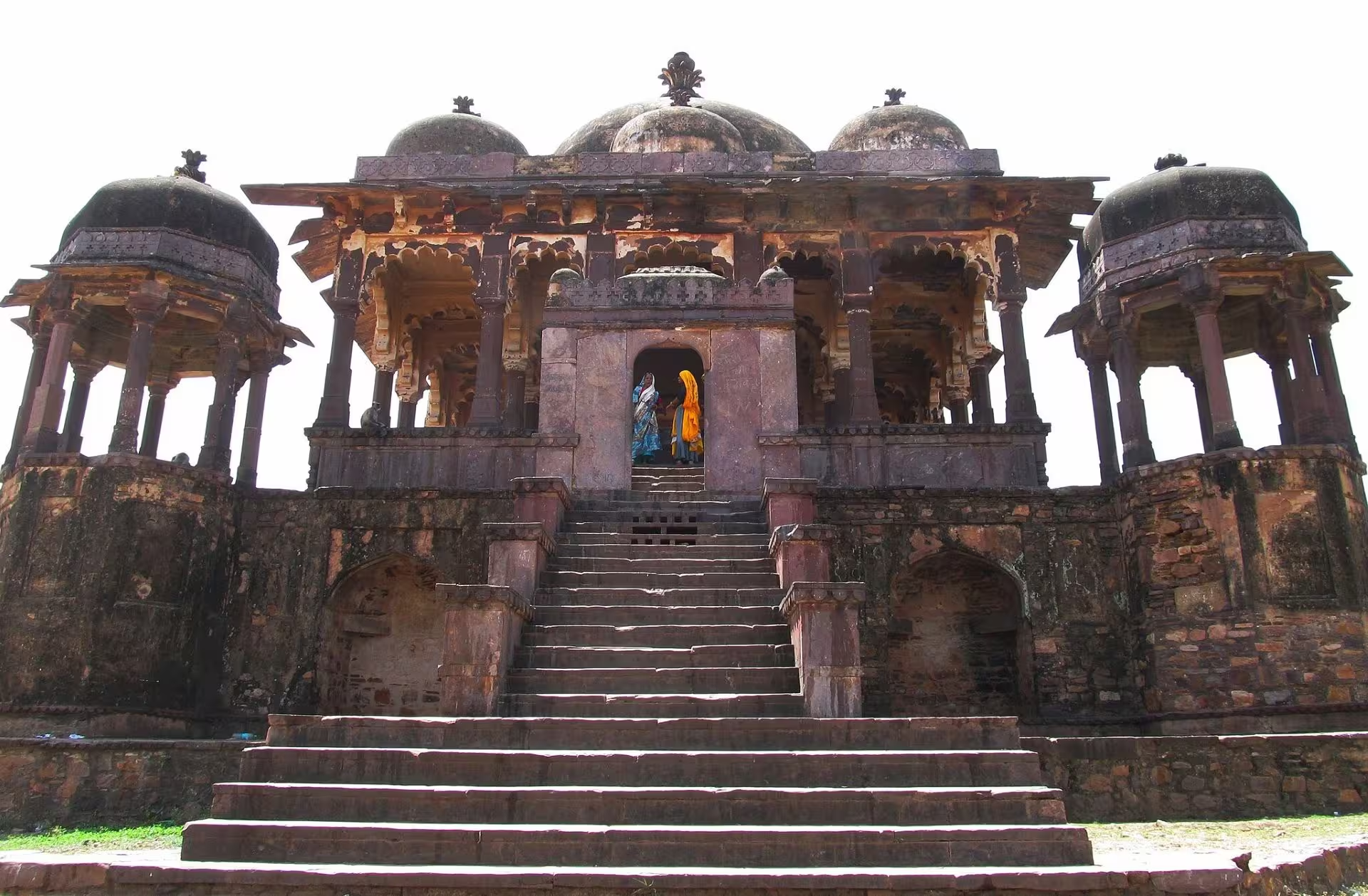
Overview
Ranthambore Fort: A Stronghold Watched Over by Tigers
Ranthambore Fort sits on a hill inside Ranthambore National Park, near the town of Sawai Madhopur. Visitors reach the top by climbing around 600 stone steps through one of seven historic gates. Inside, the Trinetra Ganesh Temple draws steady crowds of pilgrims, while the quieter ruins of Hammir Palace and the old stepwells reward a slower walk. From the walls, langurs and peacocks move through the trees below, and on a lucky day, a tiger crosses the open ground near Padam Lake.
A typical visit takes 2 to 3 hours, and mornings offer the coolest walk up. Many travelers pair the fort with a national park safari on the same trip.
Open Hours
Open Days: All days of the week
Opening Time: 6:00 AM
Closing Time: 6:00 PM
Visitors can walk through all seven gates and reach every open courtyard, including the Trinetra Ganesh Temple and the ruins near Hammir Palace. Timings shift slightly with the season, so it helps to start the climb early and finish before the light fades.
Entry Fee- Indians vs Foreigners
| Category | Ticket Price (INR) |
|---|---|
| Indian Citizens | Free |
| Foreign Tourists | Free |
| Students(Indian) | Free |
About Ranthambore Fort
Ranthambore Fort stands on a hill inside Ranthambore National Park, about 13 kilometers from Sawai Madhopur in Rajasthan. Most historians trace its construction to the Chauhan (Chahamana) rulers around the 10th century, though the name of the founding king is still debated. The fort takes its name from Ranasthambhapura, meaning the City of the Battle Post, a name that points to its original role as a military outpost.
Control of the fort changed hands many times over the centuries. Hammir Dev, crowned in 1282, became its most celebrated ruler and held off repeated attacks from the Delhi Sultanate. In 1301, Sultan Alauddin Khilji finally broke through after a long siege, and the fort passed out of Chauhan hands. Later rulers of Mewar, the Delhi Sultanate, and the Mughals each held the fort in turn, and Emperor Akbar brought it under Mughal control in 1558.
The fort is built at roughly 700 feet above the surrounding plains, a height that gave its defenders a clear view of any approaching army. Seven gates lead up to the top, including Ganesh Pol, Hathi Pol, Navlakha Pol, and Delhi Pol. Inside, the ruins of Hammir Palace, Bada Mahal, and Jain temples sit alongside stepwells once used to store water.
Ranthambore Fort was named a UNESCO World Heritage Site in 2013, as part of a group of six hill forts in Rajasthan.
What To Expect
Seven Fortified Gateways
Visitors climb through a chain of seven gates to reach the top, including Naulakha Pol, Hathi Pol, and Ganesh Pol. Each gate was built to slow down attacking armies, and today they mark the different stages of the climb.
Trinetra Ganesh Temple
This three-eyed Ganesh shrine sits inside the fort and is one of the oldest Ganesh temples in Rajasthan. Newlyweds and families send wedding invitations here from across the country, believing the temple blesses new marriages.
Hammir Court and Badal Mahal
These ruins mark the seat of Hammir Dev, the fort's most celebrated ruler, who held off the Delhi Sultanate for years before the fort finally fell in 1301. Broken arches and old stone platforms still trace the outline of the royal court.
Jain Temples and Stepwells
Scattered through the fort are a handful of Jain temples along with old stepwells once used to store water for the garrison. Their carved stonework has faded with time but still hints at the fort's original craftsmanship.
View of Padam Lake
From the fort's walls, visitors get a clear view down onto Padam Lake and Jogi Mahal below. Early morning light over the lake is when the view is at its best.
Wildlife Inside the Walls
Because the fort sits inside a tiger reserve, langurs and peacocks move freely through the ruins. Tigers occasionally cross the open ground near the base, a reminder that the fort and the jungle share the same hill.
How to Reach Ranthambore Fort
By Air
The nearest airport is Jaipur International Airport, about 160 kilometers away. A private cab is convenient, while trains from Jaipur can offer a faster, economical alternative.
By Rail
Sawai Madhopur Junction is the nearest railway station, about 14–15 kilometers from Ranthambore Fort. Regular trains connect Sawai Madhopur with Delhi, Jaipur, Mumbai, and other major cities.
By Road
Sawai Madhopur is about 2.5–3 hours from Jaipur and around 5 hours from Delhi by road. From town, a private cab takes roughly 30 minutes to reach the historic fort.
Frequently Asked Questions
Where is Ranthambore Fort located?
Ranthambore Fort sits on a hill inside Ranthambore National Park, about 13 kilometers from Sawai Madhopur in Rajasthan.
What is Ranthambore Fort famous for?
It is famous for its Rajput history, its ruler Hammir Dev's long resistance against the Delhi Sultanate, the Trinetra Ganesh Temple, and its setting inside a tiger reserve.
What is the entry fee for Ranthambore Fort?
Entry to the fort is free for all visitors. Hiring a local guide costs extra and is paid separately.
Is photography allowed inside Ranthambore Fort?
Yes, photography is allowed across most of the fort. Some temple areas may have restrictions, so it helps to check signage on site.
What is Trinetra Ganesh Temple in Ranthambore Fort?
Trinetra Ganesh Temple is a three-eyed Ganesh shrine built by King Hammir inside the fort. It draws pilgrims year-round, many of whom send wedding invitations to the temple in the hope of a blessed marriage.
Similar Places to Visit

Ranthambore National Park
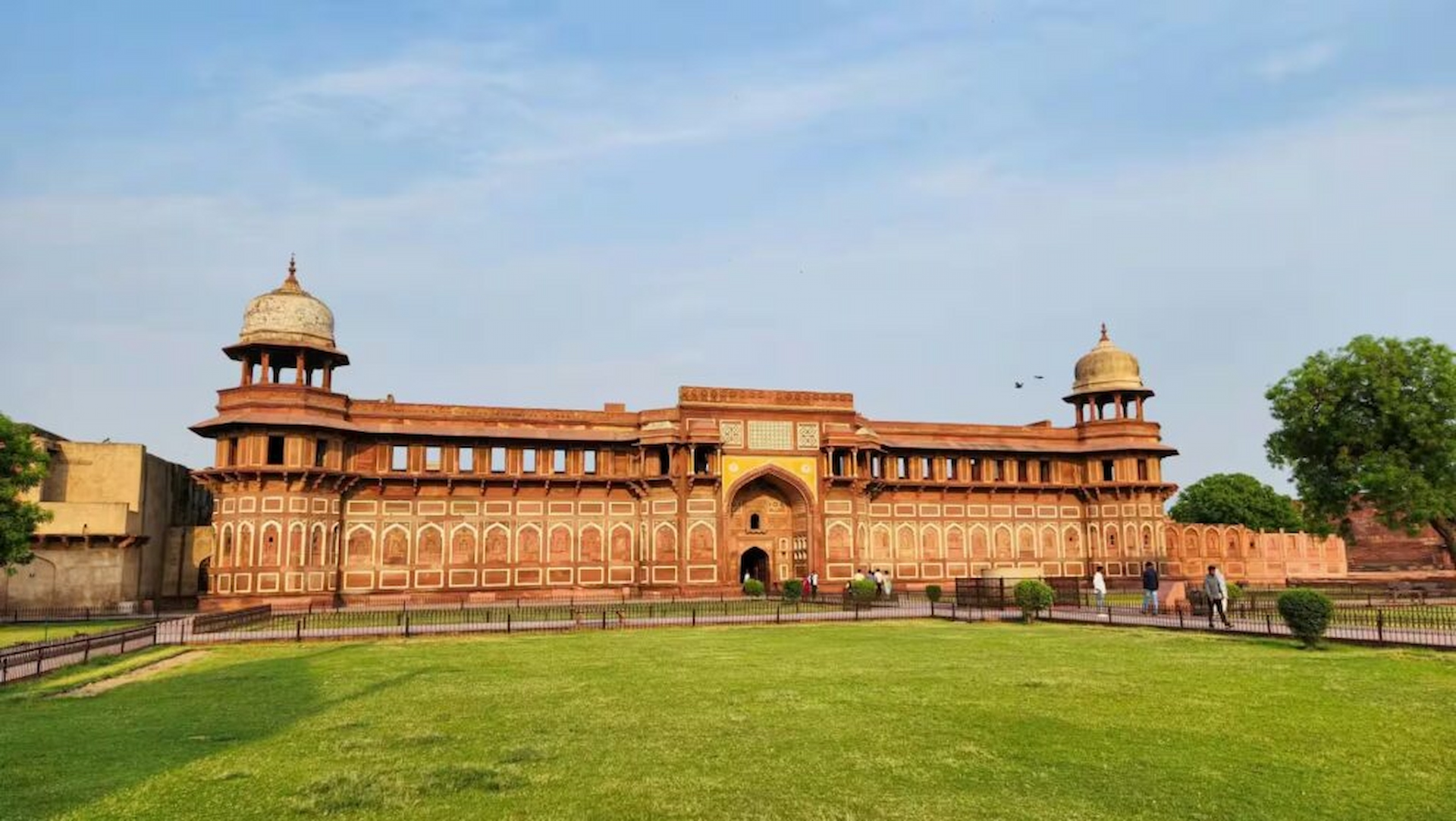
Agra Fort
Kankaria Lake
Gwalior Fort