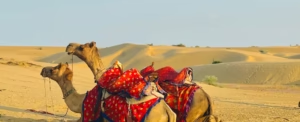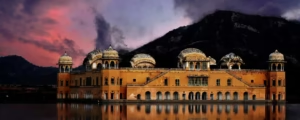

Rajasthan is best experienced through its people, places, food, wildlife, and royal heritage. The state covers more than 342,000 square kilometres, making every region feel distinct. Jaipur brings grand palaces, painted gateways, and busy bazaars. Jodhpur offers blue lanes beneath the massive Mehrangarh Fort. Udaipur pairs historic palaces with the calm waters of Lake Pichola. Jaisalmer opens into the golden Thar Desert, where camel rides and desert camps bring a different side of Rajasthan to life. Ranthambore adds wilderness, with Bengal tiger sightings among dry forests and ancient ruins.
Beyond these famous places, Rajasthan's villages, cuisine, crafts, music, and living traditions reveal the state's deeper character. This guide to the 21 best things to do in Rajasthan focuses on experiences worth adding to your trip, from royal architecture and wildlife safaris to desert nights and local food.
The Best Things to Do in Rajasthan at a Glance
Rajasthan rewards travellers who mix famous landmarks with hands-on experiences. Jaipur is ideal for royal architecture, Jodhpur combines heritage with village culture, and Udaipur suits relaxed lake experiences. Ranthambore adds wildlife, with the national park covering about 1,334 square kilometres. Jaisalmer brings desert adventures and one of India's best-known living forts. Pushkar offers a very different experience, centred on sacred ghats and temples.
| Experience | Destination | Ideal For |
| Explore Amber Fort | Jaipur | History |
| Discover City Palace | Jaipur | Architecture |
| Experience a tiger safari | Ranthambore | Wildlife |
| Explore Mehrangarh Fort | Jodhpur | Heritage |
| Stay in a palace hotel | Rajasthan | Luxury |
| Explore the Thar Desert | Jaisalmer | Adventure |
| Cruise Lake Pichola | Udaipur | Romance |
| Visit a Bishnoi village | Jodhpur | Culture |
| Explore Jaisalmer Fort | Jaisalmer | Heritage |
| Discover Pushkar | Pushkar | Spirituality |
21 Best Things to Do in Rajasthan
Rajasthan offers far more than forts and palaces. Its strongest experiences combine history, wildlife, desert life, food, and local culture. The first ten experiences below cover Jaipur, Ranthambore, Jodhpur, Udaipur, and Jaisalmer. Each destination adds a different character to a Rajasthan holiday.
1. Explore the Magnificent Amber Fort in Jaipur
Amber Fort stands on a hill about 11 kilometres from central Jaipur. Maharaja Man Singh I began the fort in 1592, and later rulers expanded the complex. Its sandstone and marble buildings include grand courtyards, audience halls, gardens, and the famous Sheesh Mahal, where thousands of small mirrors decorate the walls.
Arrive early, ideally between October and March. The morning light works well for photography, and temperatures stay more comfortable. A private guide can explain details that are easy to miss, from Rajput defensive features to Mughal-inspired arches and decorative patterns.
Walk through the Jaleb Chowk courtyard, Diwan-i-Aam, Ganesh Pol, and the palace gardens. Allow at least two hours for a relaxed visit.
Internal link: Jaipur destination guide
2. Discover Jaipur's City Palace and Royal Heritage
Jaipur's City Palace gives a close look at the city's royal history. The complex occupies a large section of the Old City and combines Rajput, Mughal, and European architectural influences. Its courtyards, gateways, museums, royal garments, weapons, and ceremonial objects make it much more than a single palace building.
The Mubarak Mahal and Chandra Mahal are among its best-known structures. The Pitam Niwas Chowk is especially popular for its four decorated gates, each linked with a season or Hindu deity.
Visit in the morning for cooler conditions and fewer crowds. A private guide adds context to the royal collections and explains how Jaipur's Kachwaha rulers shaped the city.
For travellers interested in architecture, the City Palace pairs well with Amber Fort on the same day.
Internal link: Things to do in Jaipur
3. Go on a Tiger Safari in Ranthambore National Park
Ranthambore offers one of Rajasthan's most memorable wildlife experiences. The park covers about 1,334 square kilometres and is known for its Bengal tiger population. Dry forests, lakes, grasslands, rocky hills, and ancient ruins create a striking setting for wildlife viewing.
A standard safari takes place in either a jeep or a larger canter. Jeeps carry smaller groups and are often preferred for a more private experience. Safari permits are issued for specific zones, so sightings can never be guaranteed. That uncertainty is part of the appeal of a genuine wildlife safari.
The main safari season runs from October to June, with the hotter months often producing excellent wildlife sightings around water sources. October to April brings more comfortable sightseeing conditions.
Choose an experienced naturalist, keep noise low, and follow park rules. Never ask a driver to chase an animal or approach wildlife too closely.
Internal links: Ranthambore National Park guide, Tiger Safari India guide, Best time for Ranthambore
4. Explore the Mighty Mehrangarh Fort in Jodhpur
Mehrangarh Fort rises about 120 metres above Jodhpur and dominates the city skyline. Rao Jodha founded the fort in 1459, and successive rulers expanded its palaces, gates, and defensive walls. Its scale feels very different from Jaipur's more ornate palace complexes.
Inside, the fort houses an excellent museum with royal palanquins, weapons, paintings, textiles, and furniture. The palace rooms include the Phool Mahal, Moti Mahal, and Sheesha Mahal. Each room offers a different view of Rajput court life.
The fort's ramparts provide some of the best views of Jodhpur's blue-painted houses. Visit early in the day or during the cooler months from October to March.
Allow two to three hours for the fort. A private guide can bring the history of Rao Jodha and the Rathore dynasty into clearer focus.
Internal link: Things to do in Jodhpur
5. Wander Through the Blue Streets of Jodhpur
Jodhpur's Old City is best explored on foot. Many houses around the lanes near Mehrangarh Fort feature blue-painted exteriors, creating the visual identity that earned Jodhpur its famous nickname, the Blue City.
Start around Navchokiya and move through the older residential lanes toward the Clock Tower and Sardar Market. Small shops sell spices, textiles, handicrafts, leather goods, and traditional sweets. Rooftop cafés offer clear views towards Mehrangarh Fort.
A local walking guide can make the experience more rewarding. You can learn about traditional homes, local customs, and the reasons blue paint became common in parts of the old city.
Early morning works well for photography and walking. The winter months from October to March offer the most comfortable conditions.
6. Cruise Across Lake Pichola in Udaipur
A boat ride on Lake Pichola offers one of Udaipur's most enjoyable experiences. The artificial lake dates to the 14th century and stretches around several islands, including Jag Mandir and Jag Niwas, home to the famous Lake Palace.
From the water, you can see the City Palace rising above the eastern shore, along with ghats, old residences, temples, and the Aravalli hills. A sunset cruise brings softer light and cooler temperatures.
Private boats offer a quieter experience for couples, families, and small groups. Ask your travel planner about the best departure time, especially during peak winter months.
Pair the cruise with a visit to the City Palace or a private dinner overlooking the lake. October to March is the most comfortable period for outdoor sightseeing.
Internal link: Things to do in Udaipur
7. Stay in a Historic Palace Hotel
Rajasthan gives travellers the rare chance to sleep inside former royal residences. Several palaces and grand heritage properties now operate as luxury hotels. Udaipur, Jaipur, Jodhpur, and other parts of the state offer some of India's most distinctive heritage stays.
These properties preserve courtyards, frescoes, carved stonework, gardens, and ceremonial rooms. Some retain links with former royal families and still host traditional events and private dining experiences.
The experience changes from city to city. Udaipur suits travellers seeking lakeside palace settings. Jaipur offers grand urban residences. Jodhpur combines heritage architecture with dramatic fort views.
Choose a property that fits your itinerary rather than booking a palace simply for its appearance. Ask about room location, dining options, private tours, and included experiences.
Internal link: Best luxury hotels in Rajasthan
8. Experience the Thar Desert at a Luxury Desert Camp
A night in the Thar Desert adds a completely different experience to a Rajasthan itinerary. Around Jaisalmer, luxury camps combine comfortable accommodation with the atmosphere of desert life.
Well-designed camps use spacious tents with proper beds, private bathrooms, dining areas, and outdoor seating. Evenings often include Rajasthani music and dance, followed by dinner beneath the open sky. Private dining can turn a simple desert night into a special occasion.
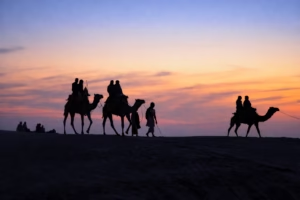
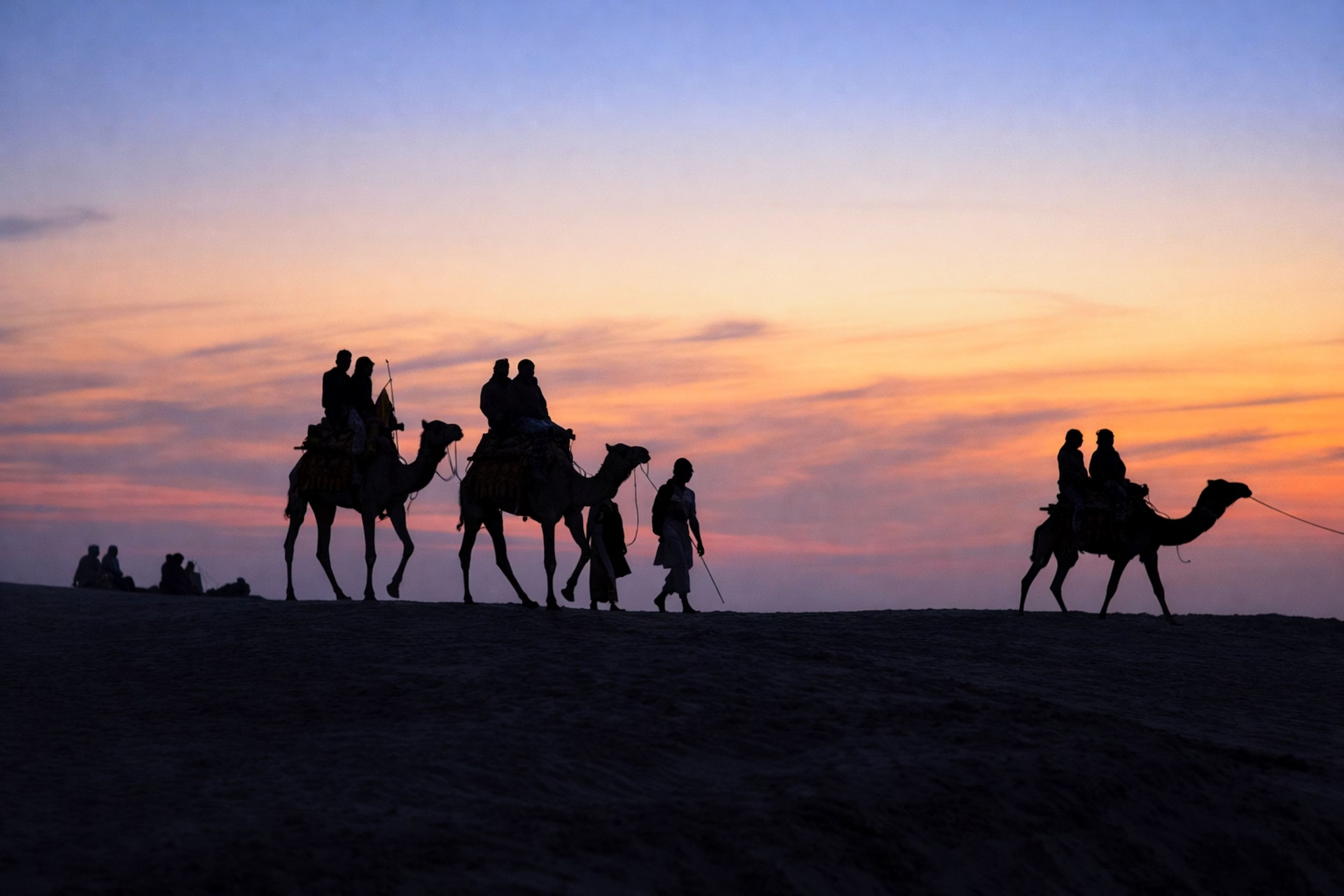
Sunset is one of the best times to head into the dunes. The light changes quickly, and temperatures become more pleasant after the heat of the afternoon.
The cooler months from October to March are ideal for overnight stays. Choose a camp that limits its impact on the desert and works with local communities.
Internal link: Jaisalmer travel guide
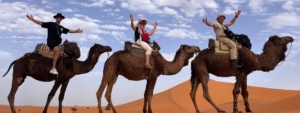
9. Take a Camel Safari Through the Thar Desert
A camel safari offers a slower way to experience the Thar Desert. The ride usually passes through sandy tracks, small settlements, scrubland, and open desert. Short sunset rides work well for first-time visitors. Longer excursions can include a village visit and an overnight camp.
Camel safaris are best planned during the cooler months, especially from October through March. Early morning and late afternoon provide better riding conditions than the middle of the day.
Keep the experience simple. A skilled local operator should treat the animals well, avoid excessive riding hours, and provide clean water and rest periods.
For travellers seeking more comfort, a short camel ride can be combined with a luxury desert camp. This gives you the traditional experience without sacrificing a comfortable night's sleep.
10. Explore Jaisalmer Fort and Its Living Heritage
Jaisalmer Fort rises from the Trikuta Hill and dominates the old city with its golden sandstone walls. Built in 1156 by Rawal Jaisal, the fort remains home to residents, shops, temples, guesthouses, and traditional houses. That makes it one of India's best-known living forts.
Walk through its narrow lanes and look for intricately carved merchant havelis, Jain temples, small shrines, and workshops. The fort's Jain temples contain detailed stone carvings that reward a slower visit.
Morning is a good time to explore the lanes before the strongest heat arrives. A private heritage walk can help you understand the fort's history and its continuing role in local life.
Pair the visit with Patwon Ki Haveli and a sunset viewpoint outside the fort. October to March offers the most pleasant weather for exploring Jaisalmer on foot.
Internal link: Places to visit in Jaisalmer
11. Visit the Ancient Stepwells of Rajasthan
Rajasthan's stepwells show how architecture once solved a basic need: storing water through long dry periods. Chand Baori near Abhaneri is the best-known example, with about 3,500 narrow steps arranged around a deep square reservoir. Its geometric design creates striking patterns for photography, especially in soft morning light.
Stepwells served practical and social roles. People gathered here, rested in shaded areas, and used the water during dry months. Their elaborate carvings and pavilions also reflect the wealth and architectural skill of earlier kingdoms.
Visit Chand Baori alongside nearby Abhaneri monuments for a half-day excursion from Jaipur. October to March offers the most comfortable conditions.
Internal link: Rajasthan's most beautiful stepwells
12. Discover the Sacred Town of Pushkar
Pushkar has a distinct spiritual character centred on Pushkar Lake and its surrounding ghats. Hindu tradition considers the lake sacred, and pilgrims visit its waters throughout the year. The Brahma Temple adds another layer of religious importance, as Pushkar is among the few places with a temple dedicated to Lord Brahma.
Walk along the ghats early in the morning, then explore the lanes around the lake. Local markets sell textiles, jewellery, handicrafts, and souvenirs. The annual Pushkar Camel Fair brings thousands of visitors, traders, pilgrims, and livestock to the town each year.
October to March offers pleasant weather for exploring Pushkar. A local guide can help visitors understand temple customs and avoid disrupting religious activities.
Internal link: Pushkar travel guide
13. Visit the Jain Temples of Ranakpur
The Ranakpur Jain Temple is one of Rajasthan's finest examples of marble architecture. Built in the 15th century, the temple complex contains hundreds of intricately carved pillars. No two pillars are exactly alike, which gives the interior remarkable detail.
The main temple is dedicated to Adinath, the first Tirthankara in Jain tradition. Its high domes, carved ceilings, shrines, and delicate stonework deserve a slow visit. The temple sits in a forested section of the Aravalli hills, about 90 kilometres from Udaipur.
Dress modestly and follow the temple's photography rules. October to March offers the most comfortable conditions for the drive and sightseeing. A private guide can explain the symbolism behind the carvings and the role of Jainism in Rajasthan.
Internal link: Ranakpur travel guide
14. Explore the Forts and Palaces of Udaipur
Udaipur's royal heritage centres on the City Palace, one of the largest palace complexes in Rajasthan. Built and expanded by the Mewar rulers over several centuries, it combines courtyards, balconies, towers, gardens, galleries, and richly decorated rooms.
The palace museum displays royal furniture, weapons, paintings, textiles, and ceremonial objects. Several terraces provide views across the old city and surrounding hills. Look closely at the mirrored rooms, coloured glass, painted walls, and carved stone details.
Set aside at least two hours for the City Palace. Morning visits work well for travellers who want time inside the museums before exploring other parts of Udaipur. October to March brings cooler weather for sightseeing.
Internal link: Things to do in Udaipur
15. Meet the Bishnoi Community Near Jodhpur
A Bishnoi village visit offers a closer look at rural Rajasthan and its long-standing traditions of environmental protection. The Bishnoi community follows principles that encourage care for trees and wildlife. Their connection with nature forms an important part of village life.
A responsible village experience can include meeting local families, seeing traditional homes, learning about handicrafts, and observing everyday activities. Visitors may see pottery, weaving, or other local crafts during the visit.
The experience works best in small groups with a local guide who knows the community. Ask permission before taking photographs of people or entering private homes. Avoid treating village visits as staged entertainment.
The cooler months from October to March are ideal for spending time outdoors around Jodhpur. A private visit can give you more time for conversation and local interaction.
Internal link: Bishnoi village safari
16. Discover the Painted Havelis of Shekhawati
Shekhawati offers a different side of Rajasthan, far from the major tourist circuits. Towns such as Mandawa and Nawalgarh are known for merchant havelis covered with colourful fresco paintings.
Many of these grand homes were built by wealthy trading families from the 18th and 19th centuries. Their walls feature scenes from Hindu stories, local life, animals, European figures, trains, cars, and other subjects. The artwork provides a fascinating record of changing tastes and outside influences.
Explore the old streets on foot and look beyond the main facades. Some havelis still retain carved doors, courtyards, painted ceilings, and original furniture.
Visit between October and March for cooler walking conditions. A heritage guide can help identify the stories hidden within the frescoes.
17. Taste Authentic Rajasthani Cuisine
Rajasthan's food reflects its dry climate, farming traditions, and royal kitchens. Dal baati churma is the classic starting point, with baked wheat baati served alongside lentils and sweet churma. Laal maas brings a richer, spicier style of cooking. Gatte ki sabzi, ker sangri, and ghewar offer very different flavours.
A good food experience goes beyond ordering dishes from a restaurant menu. Try a private palace dinner, a village meal, or a cooking class with a local family. Heritage restaurants in Jaipur, Jodhpur, and Udaipur offer another way to experience traditional recipes in historic settings.
Ask your guide to arrange regional dishes rather than a generic Rajasthani thali. Winter is a comfortable season for outdoor dining and food walks.
Internal link: Rajasthani food guide
18. Experience a Traditional Rajasthani Folk Performance
Rajasthan's folk traditions bring music, dance, puppetry, and storytelling together. Kalbelia dance is among the state's best-known forms, with performers using flowing movements inspired by the community's traditions. Traditional puppetry uses colourful wooden figures to tell stories from local culture and history.
Look for performances connected to local artists and cultural groups rather than shows built only for tourists. Palace hotels sometimes host private performances, while desert camps often arrange evening programmes for guests.
Ask your travel planner about the performers before booking. Small private performances can offer more interaction and context than large stage shows. Jaipur, Jodhpur, Udaipur, and Jaisalmer all provide opportunities to experience Rajasthan's performing arts.
19. Explore Kumbhalgarh Fort and the Aravalli Hills
Kumbhalgarh Fort stands high in the Aravalli hills and is famous for its massive defensive walls. The walls extend for roughly 36 kilometres around the fort complex. The fort was developed under Rana Kumbha during the 15th century and is closely associated with Maharana Pratap, who was born here in 1540.
Inside, visitors can explore temples, palaces, gates, and elevated viewpoints. The surrounding hills add a strong sense of space that differs from Rajasthan's urban forts.
Kumbhalgarh works well as a day trip from Udaipur, though a longer stay suits travellers who want time in the countryside. October to March offers better conditions for walking around the fort.
Internal link: Kumbhalgarh travel guide
20. Shop for Rajasthan's Traditional Crafts and Textiles
Shopping in Rajasthan is an experience in its own right. Jaipur is known for blue pottery, block printing, gemstones, jewellery, and textiles. Jodhpur has strong traditions in furniture, leather goods, and handicrafts. Udaipur offers miniature paintings, textiles, and regional crafts.
Look for established workshops where you can see how an item is made. For textiles, ask about the printing or weaving method, fabric composition, and place of production. For jewellery and gemstones, buy from reputable sellers and request proper documentation.
Bargaining remains common in many traditional markets, but heritage stores and specialist workshops often use fixed prices. A knowledgeable local guide can point you towards genuine crafts and help avoid poor-quality mass-produced items.
21. Watch the Sunset Over Rajasthan's Landscapes
Rajasthan offers memorable sunset settings across very different parts of the state. In Jaisalmer, the Thar Desert turns warm shades of gold as the sun drops behind the dunes. Udaipur offers sunset views across its lakes and surrounding hills. In Jodhpur, Mehrangarh Fort provides a striking viewpoint over the Blue City.
Jaipur has several elevated viewpoints around its historic forts and hills. The Aravalli ranges offer quieter settings away from the main tourist centres.
Choose a location based on the experience you want. A private desert dinner suits couples and small groups. A rooftop setting works well for families and photographers. A fort viewpoint adds history to the evening.
Rajasthan is remembered through these moments as much as its monuments. A sunset, a shared meal, or a quiet village visit can stay with you long after the grandest palace has faded from memory.
Best Things to Do in Rajasthan by Travel Style
Rajasthan works for very different types of travellers. Couples often seek privacy and atmosphere. Families need comfortable pacing and activities that keep children interested. First-time visitors usually want the classic highlights, while repeat visitors often look for quieter experiences. Luxury travellers can combine historic properties, private guides, wildlife, and carefully planned dining.
Best Things to Do in Rajasthan for Couples
Couples can build a Rajasthan trip around privacy and memorable settings. Stay in a palace hotel in Udaipur or Jaipur, then take a private boat ride across Lake Pichola. A candlelit dinner in a heritage property adds a special evening without feeling overly formal. In Jaisalmer, spend a night at a luxury desert camp and watch the sunset from the dunes. Private dining in the desert works well for anniversaries and proposals. A sunset view from Mehrangarh Fort or a quiet lakeside terrace gives couples another relaxed way to experience Rajasthan.
Best Things to Do in Rajasthan with Family
Families have plenty of activities that work across different age groups. Jaipur's forts and palaces introduce children to Rajasthan's royal history through impressive buildings and stories. Ranthambore adds excitement with jeep safaris and the chance to see Bengal tigers in their natural habitat. A short camel ride in Jaisalmer gives children a taste of desert life without committing to a long safari. Craft workshops, puppet shows, village visits, and traditional food experiences add variety between sightseeing days. Keep travel days manageable, especially during summer, and plan outdoor activities for mornings or late afternoons.
Best Things to Do in Rajasthan for First-Time Visitors
First-time visitors can follow Rajasthan's classic circuit: Jaipur → Ranthambore → Udaipur → Jodhpur → Jaisalmer. Start with Jaipur's Amber Fort and City Palace, then travel to Ranthambore for a wildlife safari. Continue to Udaipur for its palaces and lakes before heading to Jodhpur for Mehrangarh Fort and the Blue City. Finish in Jaisalmer with the fort and Thar Desert. Allow around 10 to 14 days for this route at a comfortable pace. Shorter trips should focus on three or four destinations rather than rushing through all five.
Unique Things to Do in Rajasthan
Rajasthan offers plenty beyond its famous forts. Visit a Bishnoi village near Jodhpur to learn about traditional rural life and conservation practices. Arrange a private palace dinner for a more intimate introduction to royal cuisine. Spend a night in a desert camp near Jaisalmer, or explore the painted havelis of Shekhawati with a heritage guide. Chand Baori near Abhaneri gives photographers a chance to see one of India's most striking stepwells. Private cultural experiences, including cooking sessions, craft demonstrations, and local music performances, can add depth to a first or repeat visit.
Luxury Things to Do in Rajasthan
Luxury travel in Rajasthan works best when comfort and access come together. Stay at a restored palace hotel in Udaipur, Jaipur, or Jodhpur, then explore each city with a private guide. In Ranthambore, arrange private or small-group safari experiences with experienced naturalists. Jaisalmer offers luxury desert camps with spacious tents, private dining, and curated cultural performances. A private car with an experienced chauffeur makes longer transfers more comfortable. Royal dining experiences, exclusive heritage visits, and carefully timed sightseeing can turn the standard Rajasthan circuit into a more personal holiday.
Best Time to Experience Rajasthan
Rajasthan changes sharply with the seasons, so the best time depends on what you want to experience. Winter suits most travellers, summer can reward wildlife enthusiasts, and the monsoon brings a greener side of the state. Rajasthan covers more than 342,000 square kilometres, so weather also varies between desert areas, cities, and the Aravalli hills.
Rajasthan in Winter
Winter, from October to March, offers the most comfortable conditions for sightseeing and outdoor activities. Jaipur, Jodhpur, Udaipur, and Jaisalmer usually have pleasant days, though desert nights can become cold. This period works particularly well for exploring forts, walking through old cities, taking desert excursions, and enjoying outdoor dining. Ranthambore's safari season also attracts strong interest during these months. December and January can bring chilly mornings, so carry warm layers for early safaris and desert camps.
Rajasthan in Summer
April to June brings high temperatures, with parts of western Rajasthan often becoming extremely hot during the afternoon. Visitor numbers usually fall, which means quieter hotels and attractions. The hotter months can suit wildlife enthusiasts, as animals often gather near water sources in Ranthambore. Plan safaris early in the morning and choose hotels with pools, shaded courtyards, and air-conditioned interiors.
Rajasthan During the Monsoon
The monsoon usually arrives between July and September. Rainfall varies across Rajasthan, but Udaipur and the Aravalli hills become greener and cooler after showers. Lakes can look especially appealing during this period. Tourist numbers are lower, which creates a quieter experience at many attractions. Rain can disrupt outdoor plans, so build flexibility into your itinerary and check local conditions before travelling between destinations.
Internal link: Best time to visit Rajasthan
How Many Days Do You Need in Rajasthan?
The right length depends on how much of Rajasthan you want to see. Five days can cover one region well. Seven days allows a classic introduction. Ten to 14 days gives you enough time for major cities, wildlife, and the Thar Desert without rushing between destinations.
Rajasthan in 5 Days
Five days work best for a focused trip. Choose Jaipur, Udaipur, or Jodhpur rather than trying to cover the whole state. A Jaipur trip can include Amber Fort, City Palace, local markets, and nearby heritage sites. Udaipur suits travellers who prefer palaces, lakes, and relaxed evenings. Jodhpur works well for forts, old-city walks, and local culture. Keep travel time low and spend at least two nights in your main destination.
Rajasthan in 7 Days
Seven days allow a compact version of the classic Rajasthan route. Try Jaipur → Jodhpur → Udaipur, with two to three nights in each city. Another option is Jaipur → Ranthambore → Udaipur, which adds a tiger safari. This plan gives you forts, royal architecture, local food, and wildlife without packing every day with transfers.
Rajasthan in 10–14 Days
Ten to 14 days provide the best balance for a first Rajasthan trip. A strong route is Jaipur → Ranthambore → Udaipur → Jodhpur → Jaisalmer. Spend two or three nights in each major stop, then add a desert camp near Jaisalmer. Longer trips can include Pushkar, Kumbhalgarh, or Shekhawati. This slower pace leaves room for private tours, village visits, palace stays, and unplanned discoveries.
Internal link: Rajasthan itinerary
How to Plan a Luxury Rajasthan Trip
A luxury Rajasthan trip should give you time, privacy, and access to experiences that standard group tours often miss. Start with a private guide in each major destination. A knowledgeable guide can make Amber Fort, Mehrangarh Fort, and Udaipur's City Palace far more engaging, especially when you have time to ask questions and explore at your own pace.
Choose a comfortable private vehicle with an experienced chauffeur for longer journeys. Rajasthan is vast, and road transfers between cities can take several hours. A well-planned route keeps driving manageable and leaves more time for sightseeing.
Palace hotels add another layer to the trip. Udaipur, Jaipur, and Jodhpur offer heritage properties where historic architecture, gardens, and royal-style service form part of the stay. In Ranthambore, pair a quality lodge with guided wildlife safaris and experienced naturalists. Plan two or three nights if wildlife is a major reason for your visit.
Jaisalmer brings a completely different experience. Spend a night or two at a well-appointed desert camp, with private dining, sunset excursions, local music, and time under the night sky. The best camps balance comfort with responsible tourism and local employment.
Dining should be part of the itinerary rather than an afterthought. Consider a private palace dinner, a regional cooking experience, or a carefully chosen heritage restaurant.
The strongest luxury trips leave room for flexibility. Combine Jaipur, Udaipur, Jodhpur, Jaisalmer, and Ranthambore with quieter places such as Shekhawati, Kumbhalgarh, or a Bishnoi village. This creates a bespoke Rajasthan journey shaped around your interests, pace, and preferred level of comfort.
Internal link: Luxury Rajasthan tours
Frequently Asked Questions About Things to Do in Rajasthan
What are the best things to do in Rajasthan?
The best experiences combine Rajasthan's royal heritage, wildlife, desert, food, and local culture. Visit Amber Fort and City Palace in Jaipur, explore Mehrangarh Fort in Jodhpur, and cruise Lake Pichola in Udaipur. Add a Ranthambore tiger safari and a desert camp near Jaisalmer for a more varied trip.
How many days are enough to explore Rajasthan?
Seven days work for a focused introduction to Rajasthan. Ten to 14 days give you a better pace and allow a route such as Jaipur, Ranthambore, Udaipur, Jodhpur, and Jaisalmer. Five days can work well for one region, such as Jaipur and Ranthambore or Udaipur and Jodhpur.
What is Rajasthan famous for?
Rajasthan is famous for its forts, palaces, royal history, desert, colourful textiles, traditional cuisine, and wildlife. The state is home to major landmarks such as Amber Fort, Mehrangarh Fort, and Jaisalmer Fort. Ranthambore is known for Bengal tigers, while Udaipur is famous for its lakes and Mewar heritage.
What are the most unique things to do in Rajasthan?
Unique experiences include staying in a former palace, spending a night at a desert camp, visiting a Bishnoi village, and exploring Shekhawati's painted havelis. You can visit Chand Baori near Abhaneri, take a private cooking class, or arrange a traditional folk performance with local artists.
What should I not miss in Rajasthan?
First-time visitors should prioritise Jaipur's Amber Fort and City Palace, a Ranthambore safari, Udaipur's City Palace, Mehrangarh Fort in Jodhpur, and Jaisalmer Fort. If your schedule allows, add a desert camp, a Bishnoi village visit, and a traditional Rajasthani dining experience.
What are the best things to do in Rajasthan for couples?
Couples can stay at a palace hotel in Udaipur or Jaipur, take a private cruise on Lake Pichola, and enjoy a sunset dinner in the Thar Desert. A private heritage tour, luxury desert camp, and sunset view from Mehrangarh Fort can add memorable experiences without filling every day with sightseeing.
What are the best things to do in Rajasthan with family?
Families can explore Jaipur's forts, visit Jodhpur's Mehrangarh Fort, and take a wildlife safari in Ranthambore. Children often enjoy camel rides in Jaisalmer, puppet performances, craft workshops, and visits to traditional villages. Plan outdoor activities during cooler morning or late afternoon hours, especially from April to June.
What is the best time to visit Rajasthan?
October to March is the most comfortable period for most Rajasthan trips. Winter offers pleasant conditions for forts, cities, desert camps, and outdoor dining. April to June brings high temperatures but can provide strong wildlife viewing opportunities in Ranthambore. July to September brings monsoon rain and greener scenery around Udaipur and the Aravalli hills.
Is Rajasthan worth visiting for a luxury holiday?
Rajasthan is one of India's strongest destinations for a luxury holiday. Travellers can stay in restored palace hotels, use private chauffeurs and guides, arrange exclusive dining, and enjoy high-quality wildlife safaris. Luxury desert camps near Jaisalmer add another distinctive experience. A bespoke itinerary can combine major landmarks with private cultural experiences and quieter destinations.
Final Thoughts: Experience the Best of Rajasthan
Rajasthan stays with travellers for reasons that go beyond its famous monuments. The state's royal heritage appears in centuries-old forts, palace courtyards, painted havelis, and grand residences. Its wilderness brings a different sense of adventure, from tiger sightings in Ranthambore to the open spaces of the Thar Desert.
Culture gives Rajasthan even more depth. A meal of dal baati churma, a conversation in a village near Jodhpur, or an evening of traditional music can reveal details that no sightseeing list can capture. The state's hospitality ties these experiences together, from family-run heritage properties to restored royal palaces.
After more than a decade of planning Indian travel experiences, I have found that the best Rajasthan trips leave enough room for discovery. A well-planned itinerary does not need to cover every famous site. It needs the right places, the right pace, and experiences that match your interests.
Exotic Spells creates private, carefully designed Rajasthan journeys around your preferred hotels, experiences, pace, and interests.
Plan Your Bespoke Rajasthan Journey
Let Rajasthan become a trip shaped around you, not a fixed schedule shared with strangers.