
Rajasthan is much more than grand forts and royal palaces. The state brings together desert towns, lake cities, wildlife reserves, sacred sites, historic villages, and centuries-old traditions. From watching the sun rise over Lake Pichola in Udaipur to tracking tigers in Ranthambore, the 15 best places to visit in Rajasthan offer very different experiences.
Jaipur introduces travellers to royal architecture, craft markets, and the famous Amber Fort. Jodhpur brings Mehrangarh Fort and the blue lanes of the old city. Jaisalmer opens the door to the Thar Desert, with golden sandstone buildings and luxury desert camps. Udaipur offers lakes, palaces, and a slower pace. Ranthambore adds wildlife to the classic Rajasthan experience, with its forests and historic fort.
This list goes beyond the most famous names. It includes places such as Bundi, Kumbhalgarh, Shekhawati, Bharatpur, and Alwar for travellers seeking quieter experiences. Each destination has been selected for its heritage, scenery, culture, accessibility, unique experiences, and potential for luxury travel.
Your ideal Rajasthan itinerary depends on how much time you have and what you want from the trip. A five-day visit calls for careful choices. A two-week stay allows room for wildlife, desert experiences, smaller towns, and longer stays in historic cities.
The 15 Best Places to Visit in Rajasthan at a Glance
Rajasthan rewards travellers who match destinations to their interests and available time. Jaipur and Udaipur suit first-time visitors who want a strong introduction to Rajasthan. Jaisalmer adds desert experiences, while Ranthambore brings wildlife into the trip. Smaller places such as Bundi and Shekhawati suit travellers who prefer quieter towns and deeper cultural experiences.
The table below gives you a quick way to compare the best cities in Rajasthan and other Rajasthan tourist places. Stay lengths refer to a comfortable visit, not the shortest possible stop.
| Destination | Best For | Ideal Stay | Signature Experience |
| Jaipur | First-time visitors | 2–3 nights | Royal heritage |
| Udaipur | Couples and luxury | 2–3 nights | Lakes and palaces |
| Jodhpur | Heritage lovers | 2 nights | Forts and culture |
| Jaisalmer | Desert experiences | 2–3 nights | Thar Desert |
| Ranthambore | Wildlife | 2–3 nights | Tiger safari |
| Pushkar | Culture and spirituality | 1–2 nights | Sacred Rajasthan |
| Bikaner | History | 1–2 nights | Desert heritage |
| Bundi | Offbeat travel | 1–2 nights | Frescoes and forts |
| Chittorgarh | Rajput history | 1 night | Fort and history |
| Mount Abu | Nature | 1–2 nights | Aravalli hills |
| Alwar | Heritage and wilderness | 1–2 nights | Forts and nature |
| Bharatpur | Birdwatching | 1–2 nights | Keoladeo National Park |
| Kumbhalgarh | Heritage and nature | 1–2 nights | Fort and Aravallis |
| Ajmer | Spiritual travel | 1 night | Living heritage |
| Shekhawati | Architecture | 1–2 nights | Painted havelis |
For a first visit, Jaipur, Jodhpur and Udaipur create a strong three-city introduction. Add Jaisalmer for the desert or Ranthambore for wildlife if you have more time.
How We Chose the Best Places in Rajasthan
A list of Rajasthan's best destinations should do more than repeat the state's most famous names. We looked at what each place offers a traveller once the headline attractions are set aside. Our selection considers historical importance, cultural depth, scenery, wildlife, distinctive experiences, local character, accommodation, accessibility, ideal stay length, and the type of traveller each destination suits. This gives you a more practical list, whether you have five days or two weeks.
What makes a Rajasthan destination worth visiting?
A famous destination gets attention, but a rewarding destination gives you reasons to stay. Udaipur combines lake views, palace architecture and fine heritage hotels. Ranthambore pairs wildlife with a 10th-century fort. Bundi offers painted chambers, stepwells and quieter streets. These places offer different experiences, so their value goes beyond the number of monuments you can visit in a day.
Popular does not always mean better
Your available time should shape your choices. Jaipur, Jodhpur and Udaipur work well for a first seven-day visit. Jaisalmer makes sense for travellers who want the Thar Desert. Ranthambore suits wildlife lovers who can spare two or three nights for safari drives. Bundi or Shekhawati can be better choices for repeat visitors seeking smaller towns and fewer crowds.
1. Jaipur: Rajasthan's Royal Gateway
Why visit Jaipur?
Jaipur is one of the best places to start a Rajasthan trip. Founded in 1727 by Maharaja Sawai Jai Singh II, the city combines royal architecture with a thriving craft and food scene. Its planned streets, pink-painted buildings, grand residences and busy bazaars give you a clear introduction to Rajasthan's history and culture.
Best things to see and experience
Start at Amber Fort, where courtyards, gateways and hilltop views reveal Jaipur's royal past. Visit the City Palace for its museums, courtyards and royal collections. The Hawa Mahal remains one of the city's most recognisable landmarks, while Jantar Mantar showcases the astronomical instruments built in the 18th century. Set aside time for Jaipur's bazaars, especially Johari Bazaar and Tripolia Bazaar, where you can browse jewellery, textiles, block prints, blue pottery and other local crafts.
Best for
Jaipur suits first-time visitors, architecture lovers and culture-focused travellers. Its excellent heritage hotels and private experiences make it a strong choice for luxury travel too.
How long should you stay?
Plan for 2–3 nights. Two nights cover the main sights at a comfortable pace. Three nights give you more time for crafts, food, private cultural experiences and the city's heritage hotels.
2. Udaipur: The City of Lakes
Why visit Udaipur?
Udaipur offers a calmer side of Rajasthan, shaped by lakes, palaces and the Aravalli hills. Founded in 1559 by Maharana Udai Singh II, the city served as the capital of Mewar for centuries. Its setting around Lake Pichola gives Udaipur a distinct character, with historic buildings rising above the water and hills.
Best things to see and experience
Begin at the City Palace, a vast complex overlooking Lake Pichola. Its courtyards, galleries, balconies and royal collections reveal the history of Mewar. Take a boat across Lake Pichola for views of the City Palace, Jag Mandir and the surrounding hills. Jag Mandir, built on an island, makes a memorable stop during a private boat experience. Udaipur is equally rewarding after sightseeing hours. Stay at a heritage property, enjoy a private dinner with lake views, or spend an unhurried evening exploring the old city.
Best for
Udaipur is ideal for couples, luxury travellers and anyone who prefers a slower pace. Its palace hotels, private boat experiences and intimate dining settings suit romantic and high-end trips.
How long should you stay?
Plan for 2–3 nights. Two nights cover the main sights. Three nights give you time for a private boat experience, a heritage stay, local crafts and relaxed evenings by the lake.
3. Jodhpur: The Blue City
Why visit Jodhpur?
Jodhpur offers one of Rajasthan's strongest combinations of history, architecture and local life. Founded in 1459 by Rao Jodha, the city grew around the imposing Mehrangarh Fort. Its old quarters are known for blue-painted houses, narrow streets and traditional markets, giving Jodhpur a strong sense of place.
Best things to see and experience
Start with Mehrangarh Fort, which rises above the city and contains grand courtyards, palaces, galleries and historic collections. Visit Jaswant Thada, a white marble memorial set among gardens near the fort. Then explore the Blue City, where blue-painted homes fill the lanes below Mehrangarh. Spend time around the old markets for spices, textiles, handicrafts and traditional goods. Food adds another layer to the experience. Try local specialities such as mirchi vada, mawa kachori and makhaniya lassi at established local eateries.
Best for
Jodhpur is ideal for travellers interested in Rajput history, architecture and local culture. It suits photographers and heritage-focused travellers particularly well.
How long should you stay?
Plan for 2 nights. This gives you enough time for Mehrangarh Fort, Jaswant Thada, the old city and local markets without rushing. A longer stay works well for private heritage experiences, food walks and relaxed exploration.
4. Jaisalmer: The Golden City and Gateway to the Thar
Why visit Jaisalmer?
Jaisalmer feels distinctly different from Rajasthan's lake and hill cities. Founded in 1156 by Maharawal Jaisal, the city grew around a strategic fort on the old trade routes across the Thar Desert. Its honey-coloured sandstone buildings glow in the sunlight, giving Jaisalmer its famous golden appearance.
Best things to see and experience
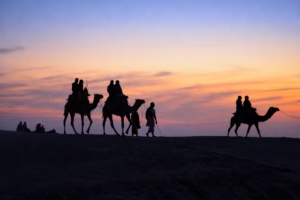
Begin at Jaisalmer Fort, a living historic fort where homes, temples, shops and narrow lanes still function within the walls. Explore Patwon Ki Haveli for its detailed sandstone carving and merchant history. Outside the city, the desert becomes the main attraction. Take a camel ride across the dunes, watch the sun set over the Thar, or arrange a private desert experience away from the busiest areas. A night at a luxury desert camp adds comfort without losing the character of the setting. Early morning brings cooler temperatures and beautiful sunrise views across the dunes.
Best for
Jaisalmer suits travellers seeking desert experiences, couples and luxury travellers. It works especially well for private celebrations, romantic stays and distinctive cultural experiences.
How long should you stay?
Plan for 2–3 nights. Two nights cover the fort and a desert experience. Three nights allow more time for the old city, a private desert outing and a relaxed camp stay.
Is Jaisalmer worth the journey?
Yes, especially for first-time visitors who have enough time for the desert. Jaisalmer requires more travel than Jaipur, Jodhpur or Udaipur, but its fort, sandstone architecture and Thar experiences offer something the other cities cannot.
Internal links: Jaisalmer Guide · Thar Desert Guide · Luxury Desert Camps
5. Ranthambore: Where Rajasthan Meets the Wild
Why visit Ranthambore?
Ranthambore brings a completely different side of Rajasthan into your trip. The former royal hunting grounds became Ranthambore National Park in 1980, and the area is now known for Bengal tigers, leopards, sloth bears, marsh crocodiles and many bird species. The setting combines dry forests, lakes, rocky hills and historic ruins.
Best things to see and experience
A tiger safari is the main attraction, with morning and afternoon drives offering different wildlife conditions. The park covers about 1,334 square kilometres, so each safari brings a different experience. Ranthambore Fort, built in the 10th century, rises above the park and offers wide views across the forests. Lakes such as Padam Talao attract deer, crocodiles and birds, while the surrounding forests provide excellent opportunities for wildlife photography. A good safari is about more than spotting a tiger. Guides help you read animal tracks, alarm calls, bird activity and other signs of the forest.
Best for
Ranthambore suits wildlife enthusiasts and repeat Rajasthan travellers who want something beyond forts and palaces. It works well for photographers and travellers who enjoy nature-focused stays.
How long should you stay?
Plan for 2–3 nights. This allows time for multiple safari drives and gives you a better chance to experience different parts of the park.
Is Ranthambore worth visiting if you don't see a tiger?
Yes. A tiger sighting is never guaranteed, but Ranthambore offers much more than tigers. The fort, forests, lakes, birds, deer, crocodiles and changing light create a rewarding wildlife experience on every visit.
Internal links: Ranthambore Safari Guide · Tiger Safari in India · Rajasthan Wildlife
6. Pushkar: Sacred Rajasthan with a Bohemian Spirit
Why visit Pushkar?
Pushkar offers a different side of Rajasthan, shaped by faith, pilgrimage and centuries-old traditions. The town sits around Pushkar Lake, which has 52 bathing ghats and hundreds of temples. Its relaxed streets, colourful markets and desert-edge setting make it an interesting stop between Jaipur and Jodhpur.
Best things to see and experience
Begin at Pushkar Lake and walk around its ghats during the quieter morning hours. Visit the Brahma Temple, one of the few major temples in India dedicated to Lord Brahma. The surrounding lanes offer handicrafts, textiles, jewellery and local food. Walk up Savitri Temple for views across Pushkar and the surrounding Aravalli hills. If your visit falls during the annual Pushkar Camel Fair, held around Kartik Purnima, the town becomes a major centre for livestock trading, cultural events and religious activity.
Best for
Pushkar suits travellers interested in culture, spirituality, photography, local markets and slower travel. It works well for those who want a more intimate town experience between Rajasthan's larger cities.
How long should you stay?
Plan for 1–2 nights. One night covers the main sights. Two nights allow time for the lake, temple visits, markets and a quieter morning in town.
Is Pushkar worth visiting if you are not religious?
Yes. You can appreciate Pushkar through its architecture, markets, food, history and daily life. The town offers a cultural experience that goes beyond its religious importance.
7. Bikaner: Rajasthan's Desert Heritage City
Why visit Bikaner?
Bikaner offers a quieter introduction to Rajasthan's desert heritage. Founded in 1488 by Rao Bika, the city developed as an important trading centre on routes crossing the Thar. Its grand fort, old havelis, temples and traditional food give it a strong historic character without the crowds found in some larger Rajasthan destinations.
Best things to see and experience
Start with Junagarh Fort, one of Bikaner's finest landmarks. Built in the late 16th century, the fort contains richly decorated palaces, courtyards and galleries. Explore the old city for carved havelis and narrow streets. Visit Rampuria Havelis for their detailed façades and merchant-era architecture. Food is another part of Bikaner's identity. Try the city's famous Bikaneri bhujia, kachori and other local snacks. The Karni Mata Temple at Deshnoke, about 30 kilometres from Bikaner, offers one of Rajasthan's most unusual cultural experiences.
Best for
Bikaner suits history lovers, architecture enthusiasts and travellers who want a quieter desert destination. It works well for repeat visitors who have already explored Jaipur, Jodhpur and Udaipur.
How long should you stay?
Plan for 1–2 nights. One night covers the major sights. Two nights allow time for the old city, local food and nearby experiences.
Bikaner or Jaisalmer: Which should you choose?
Choose Jaisalmer for dramatic desert scenery, dune experiences and luxury camps. Choose Bikaner for forts, havelis, local food and a quieter heritage experience. First-time visitors with limited time often find Jaisalmer more distinctive.
8. Bundi: Rajasthan's Underrated Heritage Gem
Why visit Bundi?
Bundi offers a quieter and more intimate side of Rajasthan. The former Rajput kingdom sits in a narrow valley surrounded by the Aravalli hills. Its old town retains much of its historic character, with blue-painted homes, ancient stepwells, palace walls and detailed murals. Bundi suits travellers who want to explore beyond Rajasthan's better-known cities.
Best things to see and experience
Start at Bundi Palace, known for its remarkable murals depicting court life, battles, hunting scenes and religious stories. Above the town, Taragarh Fort provides broad views across the valley and surrounding hills. Bundi is famous for its historic stepwells, including Raniji Ki Baori, built in 1699. Walk through the old town to see traditional homes, small temples and local markets. Photography enthusiasts will find plenty of detail in the painted walls, carved stonework and narrow streets.
Best for
Bundi is ideal for slow travel, photography and offbeat Rajasthan. It suits travellers who enjoy history without large crowds and prefer spending time in one place.
Why consider Bundi instead of another famous city?
Choose Bundi when you have already seen Rajasthan's major cities or want a quieter cultural experience. Jaipur and Jodhpur offer larger monuments and more established tourism infrastructure. Bundi offers something different, with intimate streets, historic murals and fewer visitors. Two nights give you enough time to explore without rushing.
9. Chittorgarh: The Heart of Rajput History
Why visit Chittorgarh?
Chittorgarh is one of Rajasthan's most important destinations for understanding Rajput history. The city is dominated by Chittorgarh Fort, a vast hilltop complex that covers about 280 hectares. The fort witnessed centuries of battles, sieges and political change under the rulers of Mewar. Its scale makes it one of the most striking heritage sites in Rajasthan.
What to see inside Chittorgarh Fort
Allow several hours to explore the fort properly. Vijay Stambh, built by Rana Kumbha in the 15th century, rises about 37 metres and features detailed carvings. Kirti Stambh is an older tower dedicated to Jain tradition. Visit the remains of Rana Kumbha's Palace, Meera Temple and the fort's historic gates. The complex also contains reservoirs, temples and other structures spread across the hill. Early morning or late afternoon offers more comfortable conditions for walking around the extensive site.
Best for
Chittorgarh is best for history and heritage travellers. It suits visitors who want to understand Mewar's political and military history rather than focus only on Rajasthan's palace architecture.
How long should you stay?
Plan for 1 night. A full day gives you enough time to explore the major parts of Chittorgarh Fort. The city also works well as a stop between Udaipur and Jaipur, or as part of a deeper Mewar itinerary.
10. Mount Abu: Rajasthan's Hill Escape
Why visit Mount Abu?
Mount Abu offers a refreshing change from Rajasthan's dry plains and desert towns. Set in the Aravalli Range, it is the state's only recognised hill station. The town sits at about 1,220 metres above sea level, with forested hills, rocky viewpoints and a cooler climate. It is a good choice for travellers who want nature alongside Rajasthan's historic cities.
Best things to see and experience
Start at Nakki Lake, where you can enjoy a boat ride and walk along the waterfront. Guru Shikhar, the highest point in Rajasthan at about 1,722 metres, offers wide views across the Aravallis. The Dilwara Temples are another highlight, known for their finely carved marble interiors created between the 11th and 13th centuries. Spend time at Toad Rock and nearby viewpoints for scenic walks and photographs. The surrounding forests offer opportunities for birdwatching and short nature walks.
Best for
Mount Abu suits nature lovers, families and travellers seeking cooler landscapes. It works well as a short break after visiting Rajasthan's hotter desert and heritage destinations.
When is Mount Abu most rewarding?
October to March offers pleasant conditions for sightseeing and walking. The monsoon months from July to September can bring greener hills and misty views. Summer is warmer but still cooler than much of Rajasthan, making Mount Abu a useful escape during the hotter months.
11. Alwar: Heritage, Hills and Wilderness
Why visit Alwar?
Alwar offers a mix of Rajput heritage, forested hills and wildlife that makes it a strong choice for travellers seeking a quieter Rajasthan experience. Founded in 1770 by Rao Pratap Singh, the city sits close to the Delhi-Jaipur route. Its historic buildings and nearby wilderness make it easy to combine culture with nature.
Best things to see and experience
Start at Bala Quila, a vast hilltop fort overlooking Alwar. The fort dates back to the 15th century and offers wide views across the surrounding hills and plains. City Palace combines Rajput and Mughal architectural influences and houses historic collections. Head to Siliserh Lake for peaceful views and time beside the water. The nearby Sariska region adds forests and wildlife to the experience, with opportunities for guided safari drives. Sariska Tiger Reserve covers more than 1,200 square kilometres, including its core and buffer areas.
Best for
Alwar suits offbeat travel and wilderness experiences. It works well for travellers who want heritage sites without the crowds of Jaipur, Jodhpur or Udaipur.
How long should you stay?
Plan for 1–2 nights. One night covers the main heritage sights. Two nights allow time for Siliserh Lake and a wildlife experience in the Sariska region. Alwar also works well as an early or final stop on a Rajasthan trip from Delhi.
12. Bharatpur: A Haven for Birdwatchers
Why visit Bharatpur?
Bharatpur offers one of Rajasthan's strongest wildlife experiences outside its tiger reserves. The city is home to Keoladeo National Park, a UNESCO World Heritage Site and one of India's best-known bird habitats. Its wetlands, shallow lakes, grasslands and woodland attract hundreds of resident and migratory bird species each year.
Keoladeo National Park
The park covers about 29 square kilometres, making it compact enough to explore at a relaxed pace. Depending on the season, visitors can spot painted storks, herons, egrets, kingfishers, ibis and many other species. Migratory birds arrive during the cooler months, with sightings varying through the season. Explore the park by cycle rickshaw, bicycle or on foot with a trained naturalist. Early mornings are particularly rewarding for birdwatching, photography and quieter walks. The nearby Bharatpur Bird Sanctuary remains a useful stop for travellers who want to spend more time around the wetlands.
Best for
Bharatpur is ideal for birdwatchers and wildlife enthusiasts. It suits photographers, families and travellers who enjoy quieter nature experiences.
How long should you stay?
Plan for 1–2 nights. One night works for a focused park visit. Two nights allow more time for early morning birdwatching and a second exploration of the park. Combine Bharatpur with Agra or Jaipur for an easy addition to a North India itinerary.
13. Kumbhalgarh: Rajasthan's Fort in the Aravallis
Why visit Kumbhalgarh?
Kumbhalgarh combines Rajput history with the rugged scenery of the Aravalli hills. Built under Rana Kumbha in the 15th century, Kumbhalgarh Fort is known for its massive defensive walls and hilltop setting. The fort sits at around 1,100 metres above sea level, giving the area a cooler and quieter feel than many Rajasthan cities.
Best things to see and experience
The main attraction is Kumbhalgarh Fort, a UNESCO World Heritage Site and one of Rajasthan's most impressive hill forts. Its walls stretch for more than 30 kilometres around the historic complex. Explore the gates, temples, palaces and viewpoints inside the fort, then stay until evening to see the fort illuminated. The nearby Kumbhalgarh Wildlife Sanctuary adds forests and wildlife to the experience. The surrounding Aravallis are suited to short walks, photography and scenic drives.
Best for
Kumbhalgarh suits travellers interested in heritage, mountain scenery and quieter travel. It works particularly well for those who want to combine historic sites with time in nature.
Kumbhalgarh or Chittorgarh?
Choose Kumbhalgarh for dramatic hill scenery, fort architecture and a quieter setting. Choose Chittorgarh for a deeper look at Mewar's military history and one of India's largest fort complexes. Kumbhalgarh works well as a slower overnight stop, while Chittorgarh suits history-focused itineraries.
14. Ajmer: A City of Faith and Living Heritage
Why visit Ajmer?
Ajmer offers a glimpse into Rajasthan's religious history and living traditions. Founded in the 7th century by Raja Ajaypal Chauhan, the city grew around Ajmer Sharif Dargah, one of India's most important Sufi pilgrimage sites. Its location between Jaipur and Pushkar makes it an easy addition to a Rajasthan itinerary.
Best things to see and experience
Begin at Ajmer Sharif Dargah, the shrine of Sufi saint Khwaja Moinuddin Chishti. The complex attracts pilgrims from across India and beyond, creating a deeply cultural experience throughout the day. Visit Ana Sagar Lake, an artificial lake dating to the 12th century, for a quieter break from the city. Adhai Din Ka Jhonpra, an early Indo-Islamic architectural site, offers another glimpse into Ajmer's layered history. You can then continue to nearby Pushkar, around 15 kilometres away, for its lake, temples and colourful markets.
Best for
Ajmer suits travellers interested in culture, history and spiritual travel. It is particularly useful for visitors who want to understand Rajasthan beyond royal palaces and forts.
How long should you stay?
Plan for 1 night. This gives you enough time for Ajmer Sharif, Ana Sagar Lake and the city's main heritage sites. Travellers with limited time can visit Ajmer as a day trip from Jaipur or combine it with an overnight stay in Pushkar.
15. Shekhawati: Rajasthan's Open-Air Art Gallery
Why visit Shekhawati?
Shekhawati offers a different view of Rajasthan's architectural heritage. The region includes towns such as Mandawa, Nawalgarh, Fatehpur and Dundlod, once home to wealthy merchant families who built grand havelis along historic trading routes. Their painted walls and ornate façades give the region a character unlike the larger royal cities.
What makes its havelis special?
Shekhawati is famous for its frescoes, many of which cover courtyards, balconies, doorways and exterior walls. The paintings depict Hindu deities, royal scenes, animals, flowers and everyday life. Some later murals feature early trains, cars, telephones and European figures, reflecting the changing world of the 19th and early 20th centuries. Mandawa Fort, Nawalgarh's havelis and the painted streets of Fatehpur are among the best places to explore. A local guide can add context to the families, stories and artistic details behind the buildings.
Best for
Shekhawati suits architecture lovers, photographers and offbeat travellers. It is a strong choice for repeat visitors who have already explored Rajasthan's major palace cities.
How long should you stay?
Plan for 1–2 nights. One night works for a focused visit to Mandawa and nearby havelis. Two nights allow a slower exploration of Nawalgarh, Fatehpur and smaller villages, with more time for photography and local heritage experiences.
Which Places in Rajasthan Are Best for Your Travel Style?
Rajasthan offers very different experiences across its cities, wildlife reserves, desert towns and hill regions. The best destination depends on what you want from your trip. A couple seeking privacy will have different priorities from a family or wildlife photographer. Use these recommendations to narrow your choices.
Best places in Rajasthan for first-time visitors
Jaipur, Udaipur and Jodhpur make a strong first Rajasthan trip. Jaipur introduces royal architecture and local crafts. Udaipur adds lakes and palace experiences. Jodhpur brings Mehrangarh Fort and the Blue City. Add Jaisalmer for the Thar Desert if your trip lasts 10 days or more.
Best places for couples
Udaipur, Jaisalmer and Jodhpur suit couples particularly well. Udaipur offers lake views, palace hotels and private boat experiences. Jaisalmer adds luxury desert camps and sunset experiences. Jodhpur combines heritage stays, old-city walks and memorable dining settings.
Best places for luxury travel
For luxury travel, choose Udaipur, Jaipur, Jodhpur, Jaisalmer and Ranthambore. These destinations offer palace hotels, private guides, fine dining, exclusive cultural experiences and luxury wilderness stays. Udaipur works especially well for romantic trips, while Ranthambore adds a refined wildlife experience.
Best places for families
Jaipur, Udaipur, Jodhpur and Mount Abu offer a good mix for families. Children can explore forts and palaces, enjoy boat rides and discover local crafts. Mount Abu adds cooler weather, nature walks and outdoor activities. Keep travel days shorter for a more comfortable family itinerary.
Best places for wildlife
Ranthambore, Bharatpur and Alwar are the strongest choices for wildlife. Ranthambore is known for Bengal tigers and safari drives. Bharatpur's Keoladeo National Park is ideal for birdwatching. Alwar provides access to the forests and wildlife of the Sariska region.
Best places for history and architecture
Choose Jaipur, Jodhpur, Chittorgarh, Kumbhalgarh, Bundi and Shekhawati for a deeper look at Rajasthan's past. Jaipur offers royal palaces and planned architecture. Chittorgarh and Kumbhalgarh focus on Rajput forts. Bundi and Shekhawati stand out for murals, havelis and smaller-scale heritage.
Best offbeat places in Rajasthan
Bundi, Shekhawati, Kumbhalgarh, Alwar and Bikaner suit travellers who want quieter experiences. Bundi offers murals and stepwells. Shekhawati is known for painted havelis. Kumbhalgarh combines fort history with the Aravallis. Alwar adds wilderness, and Bikaner offers desert heritage without Jaisalmer's level of tourism.
Which Rajasthan Destinations Are Actually Worth the Journey?
Rajasthan covers more than 342,000 square kilometres, so travel time matters when planning a route. You can see several famous places in one trip, but rushing between them often leaves little time for local experiences. A better plan matches destinations with your available days and interests.
Essential for a first Rajasthan trip
Jaipur, Udaipur and Jodhpur form the strongest introduction to Rajasthan. Jaipur brings grand palaces, forts and craft traditions. Udaipur offers lakes and heritage hotels. Jodhpur adds Mehrangarh Fort and the Blue City. Seven days gives you enough time to experience all three at a comfortable pace.
Add if you have more time
Add Jaisalmer, Ranthambore or Pushkar when your itinerary reaches 9–12 days. Jaisalmer brings the Thar Desert and luxury camps. Ranthambore adds tiger safaris and wilderness. Pushkar offers sacred traditions, markets and a slower small-town experience.
Worth the detour for repeat visitors
Bundi, Kumbhalgarh, Shekhawati and Alwar deserve attention from travellers who have already visited Rajasthan's major cities. Bundi offers murals and stepwells. Kumbhalgarh combines fort history with Aravalli scenery. Shekhawati is known for painted havelis, while Alwar adds heritage and access to Sariska.
Destinations you should not combine just for the sake of ticking boxes
Rajasthan's distances can make an ambitious itinerary tiring. Spending one night in six cities often means several hours in the car each day. Staying two or three nights in fewer places gives you time for markets, local food, private experiences and unplanned discoveries. Four well-chosen destinations can create a richer trip than eight rushed stops.
How Many Days Do You Need in Rajasthan?
The ideal Rajasthan trip depends on your pace, interests and starting point. Rajasthan is large, and driving between major destinations takes time. A five-day trip should stay focused on one region. Longer trips allow you to add the Thar Desert, wildlife or smaller heritage towns. The goal is to experience each place rather than collect city names.
Rajasthan in 5 days
Keep the route compact with Jaipur and Udaipur. Spend two nights in Jaipur and two nights in Udaipur, with travel between them. This gives you time for Amber Fort, City Palace, local markets, Lake Pichola and the City Palace in Udaipur. Add a final night based on your departure point.
Rajasthan in 7 days
A week works well for the classic Jaipur, Jodhpur and Udaipur circuit. Allow two nights in each city, with one day for travel between destinations. This route covers royal architecture, Mehrangarh Fort, the Blue City, Lake Pichola and Rajasthan's major palace experiences without excessive driving.
Rajasthan in 10 days
Ten days give you room to add Jaisalmer or Ranthambore to the classic circuit. Choose Jaisalmer for the Thar Desert, sandstone architecture and luxury desert camps. Choose Ranthambore for tiger safaris and wildlife. Avoid adding both unless you are comfortable with longer travel days.
Rajasthan in 14 days
Two weeks allow a deeper route through Jaipur, Ranthambore, Bundi, Udaipur, Jodhpur and Jaisalmer. You can spend two or three nights in key destinations and include smaller heritage experiences. This pace leaves room for local food, crafts, wildlife, desert camps and private cultural activities.
For a slower luxury journey
Luxury travel works best with fewer stops and longer stays. Choose three or four destinations and spend two or three nights in each. This creates time for palace hotels, private dining, guided heritage visits, wildlife safaris and local experiences. A slower itinerary also reduces long road days and rushed hotel changes.
For route planning, link this section naturally to the Rajasthan itinerary, Luxury Rajasthan Tours and Bespoke Rajasthan Journeys pages.
How Long Should You Spend in Each Rajasthan Destination?
The right length of stay depends on what you want to see and how much travel you plan to do. One night can cover a compact heritage stop, but major destinations such as Udaipur and Ranthambore deserve more time. Use the minimum stays for tight itineraries and the recommended stays for a more relaxed trip.
| Destination | Minimum Stay | Recommended Stay |
| Jaipur | 1 night | 2–3 nights |
| Udaipur | 2 nights | 3 nights |
| Jodhpur | 1 night | 2 nights |
| Jaisalmer | 2 nights | 2–3 nights |
| Ranthambore | 2 nights | 3 nights |
| Pushkar | 1 night | 1–2 nights |
| Bundi | 1 night | 2 nights |
Travel time between destinations should shape your itinerary too. A one-night stay can feel rushed after a long road journey. Jaisalmer, for example, needs at least two nights to make the desert experience worthwhile. Ranthambore benefits from three nights, giving you time for multiple safari drives. Udaipur deserves three nights for its palaces, lakes and slower pace.
For a seven-day trip, focus on three destinations rather than trying to cover five or six. Longer trips give you more freedom to add Jaisalmer, Ranthambore or smaller towns such as Bundi.
How Long Does It Take to Travel Between Rajasthan's Major Destinations?
Rajasthan is a large state, so travel time can shape the quality of your itinerary. Road journeys between major cities often take several hours. The table below gives practical estimates for private road travel under normal conditions. Actual times vary with traffic, road conditions, stops and your route.
| Route | Approx. Road Time | Approx. Distance |
| Jaipur → Jodhpur | 5–6 hours | 330–350 km |
| Jaipur → Udaipur | 6–7 hours | 390–420 km |
| Jaipur → Ranthambore | 3–4 hours | 160–180 km |
| Jodhpur → Udaipur | 5–6 hours | 240–270 km |
| Jodhpur → Jaisalmer | 4–5 hours | 280–300 km |
| Udaipur → Jaisalmer | 9–10 hours | 490–520 km |
| Jaipur → Pushkar | 2.5–3 hours | 145–155 km |
These times show why route planning matters. Udaipur to Jaisalmer, for example, is a long road day and can make a short stay feel rushed. Jaipur to Ranthambore is much easier to combine with a two or three-night wildlife stay. A private car also lets you stop at smaller towns, viewpoints and local sites along the way.
Should you travel Rajasthan by car, train or flight?
A private car offers the most flexibility and works best for multi-city Rajasthan trips. Trains are useful on established routes such as Jaipur to Jodhpur and Jaipur to Udaipur, with less road fatigue. Flights save time on longer stretches, especially when travelling between distant cities such as Delhi, Jaipur, Udaipur and Jaisalmer. For a bespoke trip, combining private road travel with selected flights or trains often works best.
Best Time to Visit Rajasthan
Rajasthan works well for travel across much of the year, but the experience changes sharply with the seasons. October to February is the most comfortable period for sightseeing, desert trips and city tours. Summer brings intense heat, while the monsoon adds cooler temperatures and greener scenery in parts of the state.
October to February: The Classic Season
This is the most popular period to visit Rajasthan. Daytime temperatures are usually comfortable for forts, markets and outdoor sightseeing, while nights can feel cold in December and January. November to February works especially well for Jaipur, Jodhpur, Udaipur and Jaisalmer. Desert nights can be particularly chilly, so pack warm layers for overnight camp stays.
March to June: Hotter, Quieter Rajasthan
Temperatures rise quickly from March, with April to June often bringing very hot afternoons. Sightseeing requires an earlier start, especially in desert cities. The quieter season can suit travellers seeking lower visitor numbers and selected luxury stays. Mount Abu and wildlife destinations can offer a different experience during this period.
July to September: Monsoon Rajasthan
The monsoon brings rain between July and September, though rainfall varies across Rajasthan. Udaipur, Bundi and Mount Abu can look greener during this period. Some desert regions receive far less rain, so conditions remain suitable for selected trips.
Where to Go in Rajasthan During the Monsoon
Choose Udaipur for its lakes and surrounding hills, Bundi for its historic streets and greener setting, and Mount Abu for forested hills and cooler weather. These destinations offer some of Rajasthan's most appealing monsoon scenery.
Best Time for a Rajasthan Wildlife Safari
October to April is a strong period for a Ranthambore safari. The cooler months make game drives more comfortable, while the dry season can improve visibility around water sources. For detailed planning, see our Ranthambore Safari Guide.
Experience Rajasthan Beyond the Famous Sights
Rajasthan becomes more rewarding when you spend time beyond its famous monuments. The forts and palaces tell part of the story, but local food, crafts, wildlife, desert nights and personal encounters reveal another side of the state. A well-planned trip gives you time to experience these details rather than rushing from one landmark to the next.
Stay in historic palaces
A heritage hotel can turn an overnight stay into part of the Rajasthan experience. Udaipur, Jaipur and Jodhpur offer restored palaces and havelis with historic interiors, courtyards and traditional service. These properties give you more time to appreciate the architecture after the day's sightseeing ends.
Sleep beneath the desert sky
Spend a night in the Thar Desert rather than returning to Jaisalmer after sunset. Luxury desert camps offer comfortable rooms, private dining and open-air settings beneath the stars. Sunset over the dunes and a quiet morning in the desert can become highlights of the trip.
Meet local artisans and craftspeople
Rajasthan has strong traditions in block printing, blue pottery, jewellery, textiles, miniature painting and leatherwork. Private visits to workshops can introduce you to the people behind these crafts. You can see how pieces are made and understand the skills passed through generations.
Discover Rajasthan through its food
Food offers another way to understand each region. Try dal baati churma, laal maas, ker sangri, gatte ki sabzi and Bikaneri bhujia. A guided food walk or private cooking experience can take you beyond restaurant menus.
Explore beyond the main tourist routes
Bundi, Shekhawati, Kumbhalgarh and Alwar offer quieter experiences. Smaller towns often give you more time with local guides, artisans and historic sites.
Add wildlife to a heritage journey
Combine palace cities with Ranthambore or Bharatpur. A tiger safari or birdwatching morning adds a completely different dimension to a Rajasthan itinerary.
Rajasthan should not feel like a checklist of monuments. Give each place time, and the state becomes richer through its people, food, wildlife, architecture and traditions.
What Not to Do When Planning a Rajasthan Trip
A good Rajasthan itinerary is not about fitting the maximum number of places into one trip. The state covers a vast area, and each destination offers a different experience. A little restraint can make your trip more comfortable and rewarding.
Don't try to see everything
Rajasthan has far more attractions than you can cover in one visit. Trying to include Jaipur, Jodhpur, Udaipur, Jaisalmer, Ranthambore and several smaller towns in a week creates a rushed schedule. Choose three or four main destinations and give each enough time.
Don't underestimate travel distances
Road journeys can take several hours. Jodhpur to Jaisalmer takes around four to five hours, while Udaipur to Jaisalmer can take close to 10 hours by road. Check travel times before adding another destination.
Don't plan around a guaranteed tiger sighting
Ranthambore offers excellent opportunities to see Bengal tigers, but no safari can promise a sighting. Plan for the wider wildlife experience, including leopards, sloth bears, deer, crocodiles and birds.
Don't visit every fort just because it is famous
Rajasthan has an extraordinary collection of forts. You do not need to see them all. Choose a few that offer different experiences, such as Amber Fort, Mehrangarh Fort and Kumbhalgarh Fort.
Don't sacrifice slower experiences for more destinations
Leave room for a market visit, a long lunch, a private dinner or an evening at your hotel. Two relaxed nights in Udaipur can offer more than one rushed night in three different cities. A well-paced itinerary lets Rajasthan feel like a place, not a checklist.
Frequently Asked Questions About the Best Places to Visit in Rajasthan
What are the 15 best places to visit in Rajasthan?
The 15 best places include Jaipur, Udaipur, Jodhpur, Jaisalmer, Ranthambore, Pushkar, Bikaner, Bundi, Chittorgarh, Mount Abu, Alwar, Bharatpur, Kumbhalgarh, Ajmer and Shekhawati. Together, they cover Rajasthan's royal heritage, desert scenery, wildlife, spirituality, architecture, cuisine and local culture.
Which place is most beautiful in Rajasthan?
Udaipur is often the strongest choice for scenery. Lake Pichola, the City Palace and the surrounding Aravalli hills create an exceptional setting. Jaisalmer offers a very different kind of beauty, with golden sandstone architecture and the wide-open Thar Desert.
Which Rajasthan city is best for first-time visitors?
Jaipur is the best starting point for most first-time visitors. The city combines major forts, palaces, museums, markets, crafts and food experiences. A first trip can then continue to Udaipur and Jodhpur for a broader view of Rajasthan.
Is Udaipur or Jodhpur better?
Choose Udaipur for lakes, palace hotels, romantic experiences and a slower pace. Choose Jodhpur for forts, architecture, local markets and the Blue City. Both deserve a place on a first Rajasthan itinerary if you have at least seven days.
Is Jaisalmer worth visiting?
Yes. Jaisalmer is worth visiting for its living fort, sandstone havelis and Thar Desert experiences. A stay of two or three nights gives you enough time for the old city and an overnight desert camp. It is especially appealing for couples and luxury travellers.
Is Ranthambore worth visiting without seeing a tiger?
Yes. A tiger sighting is never guaranteed, but Ranthambore offers much more than tigers. The national park supports leopards, sloth bears, deer, crocodiles and many bird species. The historic Ranthambore Fort adds a major heritage experience to the wildlife trip.
How many days are enough for Rajasthan?
Seven days works well for a classic first trip covering Jaipur, Jodhpur and Udaipur. Ten days gives you room for Jaisalmer or Ranthambore. Two weeks allows a deeper itinerary with smaller towns such as Bundi or Kumbhalgarh and more time for local experiences.
What are the best places in Rajasthan for couples?
Udaipur and Jaisalmer are the strongest choices for couples. Udaipur offers lake views, palace hotels and private boat experiences. Jaisalmer adds luxury desert camps and sunset experiences. Jodhpur is another good option for heritage hotels, private dining and cultural experiences.
What are the best offbeat places in Rajasthan?
Bundi, Shekhawati, Kumbhalgarh and Alwar are excellent choices for travellers seeking quieter destinations. Bundi offers murals and stepwells. Shekhawati is known for painted havelis. Kumbhalgarh combines fort history with Aravalli scenery, while Alwar adds heritage and nearby wildlife.
What is the best month to visit Rajasthan?
November to February offers some of the best conditions for a Rajasthan trip. Days are comfortable for sightseeing, while nights can be cold in desert areas. October and March can work well too, with warmer temperatures and fewer visitors than the peak winter months.
Final Thoughts: Experience Rajasthan Beyond the Postcard
Rajasthan rewards travellers who give its many sides enough time to unfold. Its royal heritage lives in ancient forts, palace courtyards and old trading towns. Its wilderness appears in tiger country, bird-rich wetlands and the forests of the Aravallis. Beyond the cities, the Thar Desert offers vast skies, golden dunes and quiet nights under the stars.
Culture is just as important. A local meal can reveal as much about Rajasthan as a palace visit. A conversation with an artisan can bring traditional crafts to life. A morning market, a village visit or a family-run kitchen can add a personal dimension to your trip.
Luxury in Rajasthan does not need to mean staying in the grandest hotel at every stop. It can mean having a private guide who knows the history behind a doorway, a carefully chosen heritage stay, or enough time to enjoy a place without rushing.
Exotic Spells creates private Rajasthan journeys around these details. Our itineraries combine carefully selected stays, local experiences, expert guides and flexible pacing. Each journey is shaped around your interests, available time and preferred style of travel.
Rajasthan is best experienced selectively. Choose fewer places, stay longer and leave room for experiences that cannot be planned around a checklist.