
Rajasthan is one of India's most rewarding regions for travellers who want history, culture, wildlife and fine hotels in one trip. Covering more than 342,000 square kilometres, India's largest state stretches from the Aravalli Hills to the Thar Desert. Its cities tell different stories. Jaipur has grand palaces and planned streets. Jodhpur rises around the mighty Mehrangarh Fort. Udaipur centres on lakes and former royal residences. Jaisalmer brings you deep into the desert.
A good Rajasthan trip needs more thought than simply ticking famous cities off a list. Distances are large, and each destination has its own character. A private drive from Jaipur to Jodhpur takes around five to six hours. Jodhpur to Udaipur takes about four to five hours. Add a tiger safari in Ranthambore, a desert camp near Jaisalmer or a leopard safari in Jawai, and the trip becomes much richer.
This Rajasthan travel guide covers the places worth visiting, the best experiences, ideal seasons, travel times, itineraries, hotels, food and practical advice. It is designed to help you plan with confidence, whether you have seven days or three weeks.
For travellers seeking something more personal, Exotic Spells creates private, carefully planned luxury journeys across Rajasthan, with handpicked hotels, private guides and experiences shaped around your interests.
Why Visit Rajasthan?
Rajasthan brings together royal history, desert scenery, wildlife, traditional arts and distinctive food. Few Indian states offer such a broad mix within one region. The state has 45,000-year-old prehistoric sites, historic Rajput kingdoms and more than 20 major forts and fortified complexes recognised for their heritage value.
A Land of Royal Heritage
Rajasthan's history is closely tied to Rajput kingdoms that ruled cities such as Jaipur, Jodhpur, Mewar and Bikaner. Their legacy remains visible in forts, palaces, temples and old markets.
Jaipur's Amber Fort shows the grandeur of the Kachwaha rulers. Jodhpur's Mehrangarh Fort rises nearly 120 metres above the city. Udaipur's City Palace overlooks Lake Pichola and preserves centuries of Mewar history. Jaisalmer Fort still has residents living within its sandstone walls.
From Desert to Jungle
Rajasthan covers more than 342,000 square kilometres, so its scenery changes dramatically across the state. The Thar Desert dominates western Rajasthan, with Jaisalmer offering dunes, desert camps and night skies filled with stars.
The Aravalli Hills cross southern Rajasthan and create a very different setting around Udaipur and Kumbhalgarh. Further east, Ranthambore National Park offers one of India's best-known tiger safari experiences. Jawai is famous for leopard sightings among granite hills and pastoral villages.
Rajasthan's Living Culture
Culture here remains part of everyday life. Gangaur, Teej and the Pushkar Camel Fair bring music, processions and traditional dress to towns across the state. Folk performers still play instruments such as the kamayacha and algoza.
Rajasthan's artisans are equally impressive. Jaipur is known for block printing and jewellery. Jodhpur has a long tradition of leatherwork and textiles. Jaisalmer remains known for embroidery, mirror work and carved sandstone.
The Food of Rajasthan
Rajasthani food suits the region's dry climate and long culinary history. Dal baati churma is the classic combination of lentils, baked wheat balls and sweetened crushed baati. Laal maas offers a fiery mutton dish traditionally prepared with red chillies. Gatte ki sabzi uses gram-flour dumplings cooked in a spiced yoghurt gravy.
For a deeper look at the region, explore our Rajasthan Culture Guide, Rajasthan Food Guide and Rajasthan Wildlife Guide.
Best Places to Visit in Rajasthan
Rajasthan is too large to experience properly in a few days. Each city has a different character, and the best Rajasthan trips combine major landmarks with time to slow down and explore. Jaipur brings royal architecture and lively markets. Jodhpur offers one of India's finest hilltop forts. Udaipur focuses on lakes, palaces and refined hospitality. Jaisalmer opens the door to the Thar Desert, while Ranthambore adds wildlife to the itinerary.
For a first visit, Jaipur, Jodhpur and Udaipur make a strong core route. Add Jaisalmer for desert experiences and Ranthambore for a tiger safari. Pushkar, Bikaner, Bundi and Mount Abu work well for travellers with more time.
Jaipur, The Pink City
Jaipur is the natural starting point for many Rajasthan trips. Founded by Maharaja Sawai Jai Singh II in 1727, it was one of India's earliest planned cities. The historic centre became a UNESCO World Heritage Site in 2019.
Start at Amber Fort, around 11 kilometres from central Jaipur. Its courtyards, gateways and palace rooms show the wealth of the former Kachwaha rulers. Back in the city, the City Palace combines royal residences with museums and courtyards.
The Hawa Mahal, built in 1799, is one of Jaipur's most recognisable buildings. Its 953 small windows allowed royal women to observe street life without being seen. Nearby, Jantar Mantar contains enormous astronomical instruments built in the early 18th century.
Luxury travellers can add private palace visits, curated shopping, heritage dining and private guided walks through Jaipur's old markets.
Explore our guide to the [best things to do in Jaipur] for a deeper look at the city.
Jodhpur, The Blue City
Jodhpur sits beneath Mehrangarh Fort, one of Rajasthan's great architectural landmarks. Founded in 1459 by Rao Jodha, the fort rises about 120 metres above the city and contains palaces, courtyards, galleries and an impressive collection of royal objects.
Look down from the fort and you will see the famous blue houses of the old city. The colour is particularly striking around the lanes beneath Mehrangarh.
Visit Jaswant Thada, a white marble memorial built in 1899 for Maharaja Jaswant Singh II. Then explore Umaid Bhawan Palace, a vast Art Deco-era residence completed in 1943. Part of the palace now operates as a luxury hotel.
Jodhpur suits travellers who enjoy architecture, history, food and memorable hotel stays.
See our guide to the [best things to do in Jodhpur] for more ideas.
Udaipur, The City of Lakes
Udaipur feels different from the desert cities of western Rajasthan. Founded in 1559 by Maharana Udai Singh II, the city sits around a group of lakes surrounded by the Aravalli Hills.
The City Palace stretches along the eastern shore of Lake Pichola. Its courtyards, balconies, galleries and mirrored rooms offer a detailed look at Mewar's royal history.
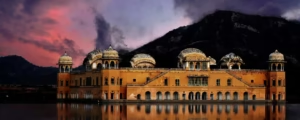
Take a boat across Lake Pichola towards Jag Mandir, a 17th-century island palace. A late afternoon boat ride is one of Udaipur's finest experiences. The surrounding hills and palaces take on warm colours as the sun drops.
Udaipur is particularly well suited to couples and travellers seeking refined hotels, private dining and slower days.
Explore our [guide to the best things to do in Udaipur] for a complete city itinerary.
Jaisalmer, Gateway to the Thar Desert
Jaisalmer stands in western Rajasthan, close to the Pakistan border. Its golden sandstone architecture gives the city a distinctive appearance, especially in the late afternoon.
The centrepiece is Jaisalmer Fort, built in 1156 by Rawal Jaisal. Unlike many historic forts, it remains a living settlement with homes, shops, temples and restaurants inside its walls.
Explore Patwon Ki Haveli, a group of five ornate merchant mansions known for their detailed sandstone carving. Then leave the city for the Thar Desert.
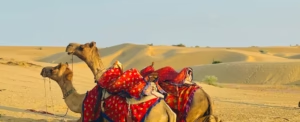
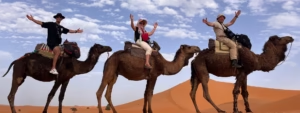
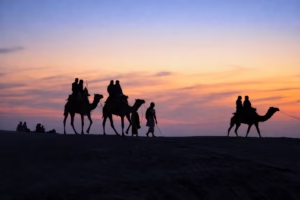
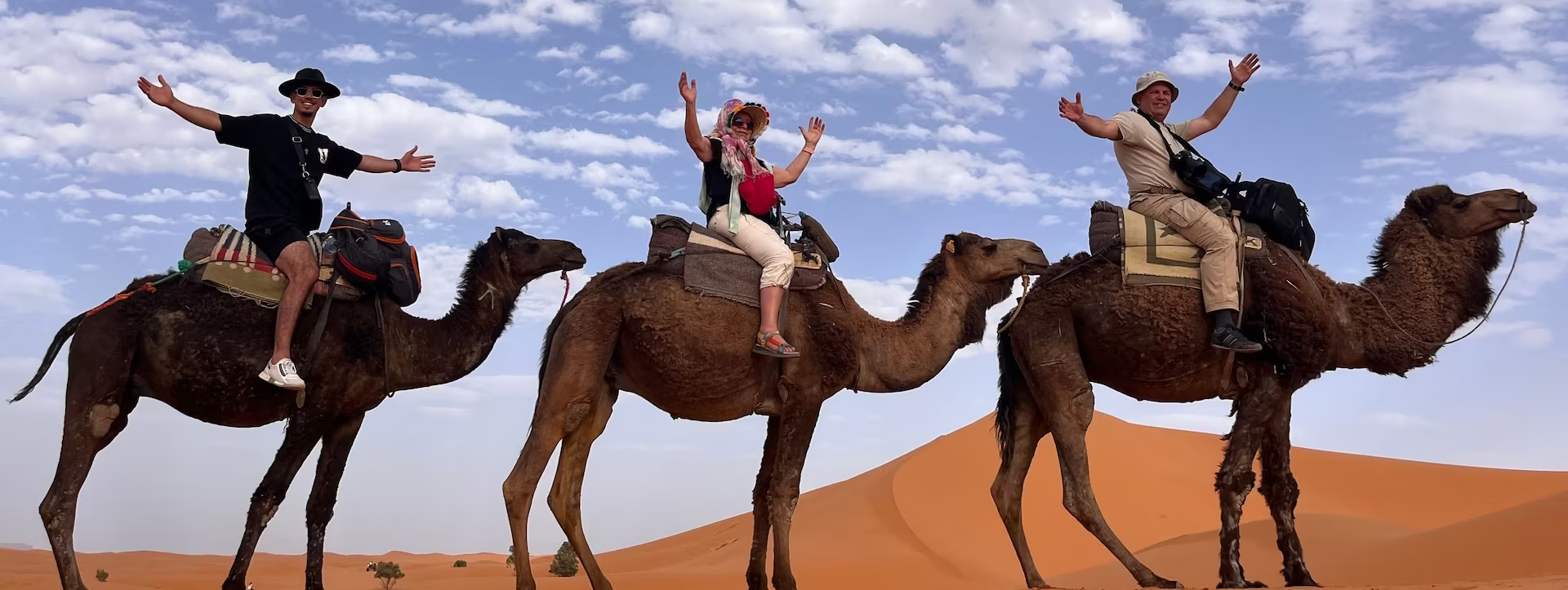
Luxury desert camps offer comfortable tents, private dining and evening performances away from the busiest tourist areas. Camel rides remain a traditional way to experience the dunes, while 4x4 drives offer a faster option.
Our [Jaisalmer Travel Guide] covers the city's major attractions, desert camps and experiences in greater detail.
Ranthambore, Rajasthan's Tiger Country
Ranthambore adds wildlife to a classic Rajasthan itinerary. Ranthambore National Park covers about 1,334 square kilometres, including the park's core and buffer areas, and is one of India's best-known tiger reserves.
Safaris take place in open vehicles with trained naturalists. Tigers are the main attraction, but sightings can include leopards, sloth bears, sambar deer, marsh crocodiles and more than 300 bird species.
The ancient Ranthambore Fort sits on a rocky hill inside the park. Built in the 10th century, it provides a remarkable setting above the surrounding forest.
For wildlife lovers, two or three nights give you more chances to enjoy safari drives without rushing between destinations.
Read our [Ranthambore Safari Guide] before planning your stay.
Pushkar, Sacred Lakes and Desert Traditions
Pushkar offers a different side of Rajasthan. The town surrounds Pushkar Lake, a sacred water body with more than 50 ghats. Pilgrims visit throughout the year to perform religious rituals and prayers.
The Brahma Temple is one of the few major temples dedicated to Lord Brahma. Its religious importance makes Pushkar a valuable cultural stop on a Rajasthan itinerary.
The annual Pushkar Camel Fair, usually held in October or November, brings traders, pilgrims and visitors together. Thousands of camels and livestock traditionally gather for the event, alongside cultural programmes and competitions.
Bikaner, Forts, Havelis and Desert Heritage
Bikaner offers a quieter alternative to Jaisalmer. Founded in 1488, the city developed as an important trading centre on routes across the Thar.
Junagarh Fort is the main attraction. Unlike many Rajasthan forts, it stands on the plains rather than a hill. Its palaces, courtyards and decorated interiors reveal centuries of royal history.
The old city contains carved havelis, narrow lanes and traditional shops. Bikaner is known for its distinctive snacks, camel-related traditions and desert surroundings.
Add Bikaner when you have enough time for a slower Rajasthan itinerary.
Bundi, Rajasthan's Hidden Gem
Bundi sits in southeastern Rajasthan, surrounded by the Aravalli Hills. It sees fewer international visitors than Jaipur, Jodhpur or Udaipur, which gives the town a quieter character.
Bundi Palace is famous for its detailed murals, many of which depict royal life, court scenes and religious subjects. Above the town, Taragarh Fort offers wide views across Bundi and the surrounding hills.
The town is known for its historic stepwells, including Raniji ki Baori. These structures once provided vital water storage during dry periods.
Bundi suits travellers who want old Rajasthan without the crowds found at the state's better-known cities.
Mount Abu, Rajasthan's Hill Escape
At around 1,220 metres above sea level, Mount Abu is Rajasthan's only major hill station. Its cooler climate makes it a useful break from the hotter plains and desert regions.
Nakki Lake sits at the centre of the town and is surrounded by hills and walking routes. The Dilwara Temples, built between the 11th and 13th centuries, are the area's finest architectural attraction. Their marble carvings contain an extraordinary level of detail.
Mount Abu is a good choice for longer trips that include southern Rajasthan. It works especially well with Udaipur and the surrounding Aravalli region.
Best Things to Do in Rajasthan
Rajasthan rewards travellers who spend time beyond its famous monuments. The state offers historic forts, former royal residences, tiger safaris, desert camps, food experiences and traditional crafts. You can spend the morning inside a 16th-century fort, watch wildlife in the afternoon, then enjoy a private dinner in a palace courtyard.
The best experiences also change from city to city. Jaipur works well for architecture and crafts. Jodhpur offers forts and old-city walks. Udaipur is ideal for palace stays and lake experiences. Jaisalmer brings the Thar Desert, and Ranthambore adds wildlife to the trip.
Explore Rajasthan's Magnificent Forts
Rajasthan has some of India's finest forts, and each one reflects a different chapter of Rajput history.
Amber Fort near Jaipur combines Mughal and Rajput architectural styles. Built mainly during the 16th and 17th centuries, the complex contains courtyards, gateways, royal apartments and the famous Sheesh Mahal.
In Jodhpur, Mehrangarh Fort rises about 120 metres above the old city. Its museums contain royal palanquins, weapons, paintings and textiles.
Chittorgarh Fort covers around 280 hectares and tells the story of Mewar's long struggle for independence. Its towers, temples and palaces need several hours to explore properly.
Kumbhalgarh Fort stretches for more than 30 kilometres around the Aravalli Hills. Its walls rank among the longest continuous fortifications in the world.
Then there is Jaisalmer Fort, built in 1156. Its golden sandstone walls still surround homes, shops, temples and restaurants.
A private guide can add far more depth to these sites. They can explain the battles, rulers and architectural details that are easy to miss on a self-guided visit.
Stay in a Rajasthan Palace
Rajasthan offers a rare chance to stay inside former royal residences. Several palaces now operate as heritage hotels, giving travellers access to grand courtyards, historic rooms and traditional service.
Umaid Bhawan Palace in Jodhpur is one of the best-known examples. Udaipur has lakefront palace hotels with views across Lake Pichola. Jaipur offers several heritage properties close to the city's major monuments.
A palace stay works best when the hotel becomes part of the experience. Take time for a private dinner, an afternoon tea or a guided look at the property's history. These details make the stay feel connected to Rajasthan rather than simply luxurious.
Go on a Tiger Safari
Ranthambore offers one of Rajasthan's most exciting wildlife experiences. The reserve is known for its Bengal tigers, but the forest supports many other species too.
A typical safari lasts around three hours. Early morning drives offer cooler conditions and active wildlife. Afternoon drives bring different light and animal behaviour.
Photography enthusiasts can spend several days in the area and take multiple safari drives. More time gives you better opportunities to observe animal behaviour rather than chasing a single sighting.
Private safari planning can include carefully selected accommodation, naturalist-led drives and time for photography.
Explore our guide to [Tiger Safari in Rajasthan] for detailed information on safari zones, seasons and planning.
Experience the Thar Desert
The Thar Desert is one of Rajasthan's defining experiences. Jaisalmer provides the main gateway, but the quality of the experience depends heavily on where and how you stay.
Luxury desert camps offer spacious tents, private bathrooms, dining areas and personalised service. Some camps sit away from the busiest tourist areas, giving guests quieter evenings among the dunes.
A sunset drive across the desert offers excellent light for photography. You can travel by 4x4 or take a traditional camel ride. After sunset, many camps arrange cultural performances with folk musicians and dancers.
For a more private experience, choose a camp that limits the number of guests and offers private dining away from the main performance area.
Take a Heritage Walk
Rajasthan's history becomes easier to understand on foot. The old streets reveal details that you can miss from a car.
In Jaipur, explore the historic bazaars around the old city and see traditional jewellery, textiles and block printing. Jodhpur offers narrow lanes beneath Mehrangarh Fort, with blue-painted houses and small workshops.
In Udaipur, walks around the old city reveal temples, markets and traditional homes close to Lake Pichola. Jaisalmer offers carved sandstone buildings, merchant havelis and old streets inside and around the fort.
A local guide can introduce you to shopkeepers, artisans and families who have lived in these neighbourhoods for generations.
Experience Rajasthan's Food and Crafts
Food and handicrafts offer another way to understand Rajasthan. A private cooking class can introduce you to dishes such as dal baati churma, gatte ki sabzi and regional breads.
Jaipur is famous for block printing, particularly in nearby craft centres such as Bagru and Sanganer. Jodhpur and Jaipur have strong jewellery traditions, while Rajasthan's towns produce textiles, leather goods, pottery and embroidered fabrics.
Visit an artisan's workshop rather than buying everything from a tourist shop. You can see how a block is carved, how fabric receives its patterns or how traditional jewellery takes shape.
These experiences add a personal dimension to a Rajasthan trip. They also give you something more lasting than another photograph of a fort.
Best Rajasthan Itineraries
The right Rajasthan itinerary depends on your available time and what you want from the trip. Five days can cover the Golden Triangle with a short taste of Rajasthan. Seven to ten days allow more time for the state's major cities. Two weeks or more give you room for wildlife, desert stays, rural experiences and slower mornings.
Travel times matter too. Rajasthan is large, and adding too many cities can turn a holiday into a series of long drives. A well-planned route keeps the pace comfortable and gives each destination enough time.
Rajasthan in 5 Days
Suggested route: Delhi → Jaipur → Agra → Delhi
This short itinerary suits first-time visitors with limited time. Jaipur gives you a proper introduction to Rajasthan through Amber Fort, City Palace, Hawa Mahal and the old city's markets.
Spend around two days in Jaipur, then travel to Agra for the Taj Mahal and Agra Fort. The drive from Jaipur to Agra takes roughly five hours, depending on traffic and road conditions.
This route works well for travellers who want to combine Rajasthan with India's Golden Triangle. It does not provide enough time for Jodhpur, Udaipur or Jaisalmer.
For a detailed version, see our [Rajasthan and Golden Triangle Itinerary].
Rajasthan in 7 Days
Suggested route: Delhi → Jaipur → Jodhpur → Udaipur
Seven days allow you to see three of Rajasthan's most distinctive cities.
Spend two nights in Jaipur, then continue to Jodhpur. Allow around five to six hours for the drive. Explore Mehrangarh Fort, the old city and the blue-painted neighbourhoods around the fort.
Continue to Udaipur for the final two nights. The drive from Jodhpur to Udaipur takes around four to five hours. Use your time for the City Palace, Lake Pichola and a private sunset boat ride.
This route suits first-time travellers who want history, architecture, food and luxury hotels without adding long desert drives.
Read our [7-Day Rajasthan Itinerary] for a day-by-day plan.
Rajasthan in 10 Days
Suggested route: Delhi → Jaipur → Ranthambore → Jodhpur → Udaipur
Ten days allow you to add wildlife to the classic Rajasthan route.
Start with two nights in Jaipur, then travel to Ranthambore for two nights. This gives you several opportunities for safari drives and enough time to enjoy your lodge.
Continue to Jodhpur for two nights, then finish in Udaipur for two or three nights. The route combines royal heritage, wildlife and lakeside experiences without forcing too many stops into the schedule.
This itinerary suits travellers who want more than monuments. It works particularly well for couples, families and wildlife enthusiasts.
See our [10-Day Rajasthan Itinerary] for a detailed route.
Rajasthan in 14 Days
Suggested route: Delhi → Jaipur → Pushkar → Jodhpur → Jaisalmer → Ranthambore → Udaipur
Two weeks give you enough time to experience Rajasthan's major highlights at a more comfortable pace.
Begin with Jaipur, then spend a night in Pushkar to experience its sacred lake and temples. Continue to Jodhpur before heading west to Jaisalmer. Spend two nights near the desert, with time for a private sunset experience and an evening under the stars.
Return east for Ranthambore and spend two or three nights around the national park. Finish in Udaipur, where you can slow the pace with lake views, palace visits and relaxed dining.
The route covers royal cities, religious heritage, desert scenery and wildlife.
Explore our [14-Day Rajasthan Itinerary] for the full plan.
Rajasthan for Two Weeks or More
Longer trips give you the freedom to stay in places that shorter itineraries often skip.
Add Bikaner for Junagarh Fort and old-city heritage. Choose Bundi for palace murals, stepwells and quieter streets. Kumbhalgarh works well for its massive fort and Aravalli setting. Add Chittorgarh for deeper Mewar history.
Wildlife enthusiasts can include Jawai, known for its leopard population and dramatic granite hills. Rural Rajasthan offers another side of the state through village visits, artisan workshops and local food experiences.
With three weeks, you can reduce the number of one-night stays and spend two or three nights in each destination. That slower pace creates room for private guides, long lunches, hotel experiences and spontaneous discoveries.
For luxury travellers, that extra time makes a real difference. Rajasthan feels richer when you stop treating every morning as a departure day.
Best Time to Visit Rajasthan
Rajasthan is a year-round destination, but the experience changes sharply across the seasons. Winter offers the most comfortable conditions for sightseeing, desert camps and wildlife safaris. Summer brings intense heat but fewer visitors. The monsoon changes parts of southern Rajasthan with greener hills, fuller lakes and cooler evenings.
For most international travellers, October to March is the best period for a Rajasthan trip. The right month still depends on your route. Jaisalmer and Jodhpur feel very different from Udaipur during the monsoon, and Ranthambore has its own seasonal considerations.
Rajasthan in Winter, October to March
Winter is the most popular travel season. Daytime temperatures in cities such as Jaipur, Jodhpur and Udaipur are usually comfortable for sightseeing, though December and January mornings can feel quite cold.
October and November offer warm days and cooler evenings. December and January bring some of the coolest weather, with temperatures in northern Rajasthan occasionally dropping close to 5°C at night.
February and March are warmer and work well for combining city sightseeing with outdoor experiences.
Winter is particularly good for the Thar Desert. Days are comfortable for exploring Jaisalmer, and evenings are cool enough for desert camps. It is equally well suited to Ranthambore safaris, heritage walks and long days exploring forts.
This period also attracts the largest number of visitors, so luxury hotels and the best safari lodges should be booked well ahead.
Rajasthan in Summer, April to June
Summer is hot. May and June are the toughest months for sightseeing, with afternoon temperatures in western Rajasthan often reaching 40°C or higher.
The heat does bring advantages. Visitor numbers fall, and luxury hotels often feel quieter. Early morning sightseeing works well, followed by a long lunch and time indoors during the hottest hours.
Summer can be interesting for wildlife enthusiasts. Water becomes scarce inside reserves, and animals often gather around remaining water sources. This can create useful wildlife-viewing opportunities, though safari conditions are much hotter.
A private vehicle, air-conditioned accommodation and a sensible daily schedule make summer travel more comfortable.
Rajasthan During the Monsoon, July to September
The monsoon brings a different side of Rajasthan. Rainfall varies across the state, but southern Rajasthan usually sees more noticeable changes than the western desert.
Udaipur is particularly attractive during this period. Its lakes fill, the Aravalli Hills become greener and the surrounding countryside takes on a softer appearance.
Visitor numbers are lower than during winter, so hotels and attractions feel quieter. Rain showers can interrupt outdoor plans, but they are often short rather than continuous.
Jaisalmer remains much drier, so the desert can still form part of a monsoon itinerary. Ranthambore is generally closed for tourism during the core monsoon period, with safari access returning later in the year.
For a detailed seasonal breakdown, see our [Best Time to Visit Rajasthan] guide.
Rajasthan Month-by-Month
| Month | Weather | Crowds | Best experiences |
| January | Cool and dry | High | Forts, palaces, safaris |
| February | Mild and dry | High | City tours, desert, wildlife |
| March | Warm and pleasant | Medium to high | Holi, heritage, wildlife |
| April | Hot | Medium | Early safaris, luxury hotels |
| May | Very hot | Low | Wildlife, quiet hotels |
| June | Very hot | Low | Early activities, indoor experiences |
| July | Hot, rainy in parts | Low | Udaipur, Aravalli Hills |
| August | Warm and wet | Low | Udaipur, lakes, heritage hotels |
| September | Warm, fewer showers | Low to medium | Southern Rajasthan |
| October | Warm and dry | Medium | Desert, forts, wildlife |
| November | Pleasant and dry | High | Pushkar Fair, desert, safaris |
| December | Cool and dry | High | Rajasthan's major highlights |
How Many Days Do You Need in Rajasthan?
The ideal length of a Rajasthan trip depends on how much of the state you want to experience. Rajasthan covers more than 342,000 square kilometres, so trying to see everything in a week can make the trip tiring. A well-planned itinerary gives you enough time for sightseeing, travel and relaxed evenings.
5–7 Days
Five to seven days work well for first-time visitors who want the major highlights. A typical route can include Delhi, Jaipur, Jodhpur and Udaipur. You can explore Amber Fort and Jaipur's old city, visit Mehrangarh Fort in Jodhpur, then finish beside Lake Pichola in Udaipur.
Add Agra if seeing the Taj Mahal is a priority, but this leaves less time for Rajasthan itself.
8–10 Days
Eight to ten days allow a more complete Rajasthan experience. You can add Ranthambore to the Jaipur, Jodhpur and Udaipur route and spend two nights near the national park.
This pace works well for travellers who want a mix of royal heritage and wildlife. You can add private guides, longer meals and carefully chosen hotel experiences without rushing between cities.
12–14 Days
Two weeks open up more possibilities. Add Jaisalmer for the Thar Desert, or include Pushkar for its temples and cultural character.
A route such as Delhi, Jaipur, Ranthambore, Jodhpur, Jaisalmer and Udaipur covers forts, wildlife, desert experiences and palace cities. Two nights in most destinations gives you enough time to see the main attractions without constantly packing and unpacking.
2–3 Weeks
Three weeks suit travellers who prefer a slower luxury journey. You can add Bundi, Bikaner, Kumbhalgarh, Chittorgarh, Jawai and rural Rajasthan.
This extra time lets you spend several nights at selected palace hotels and wildlife lodges. You can visit artisan workshops, enjoy private dining and explore smaller towns with local guides.
For a luxury Rajasthan trip, 14 to 21 days is often the sweet spot. You see the major highlights, but the schedule still leaves room to enjoy the places rather than simply pass through them.
How to Travel Around Rajasthan
Rajasthan is a large state, so transport can shape the quality of your trip. For most travellers, a private car with a dedicated driver offers the best balance of comfort, flexibility and time. Trains and domestic flights work well for selected routes, but they rarely provide the same freedom.
Travelling by Private Car
A private car is the most practical way to explore Rajasthan. You travel directly from your hotel to each destination without changing vehicles or working around fixed departure times.
This works particularly well for routes such as Jaipur to Jodhpur, Jodhpur to Udaipur and Jodhpur to Jaisalmer. Your driver can stop for photographs, local markets, historic sites and lunch along the way.
Air-conditioned vehicles make longer drives comfortable, and a private car gives you more control over your daily schedule. You can leave early for a fort, return to your hotel for lunch, then head out again in the afternoon.
For luxury journeys, private cars are usually the best choice.
Rajasthan by Train
Trains make sense on selected routes, especially for travellers who enjoy rail travel. Jaipur, Jodhpur, Ajmer, Bikaner and Udaipur have regular rail connections with major Indian cities.
The Palace on Wheels offers a very different experience. This luxury tourist train operates on a multi-day itinerary covering destinations such as Jaipur, Jodhpur, Udaipur, Jaisalmer and Ranthambore.
Regular trains can save time on some longer routes, but they offer less flexibility than a private car. They work best when the train journey itself forms part of the travel experience.
Domestic Flights
Flights can help reduce travel time on longer routes. Jaipur, Jodhpur, Udaipur and Jaisalmer have airports with domestic connections.
Flying makes the most sense when your itinerary includes widely separated destinations. A flight can replace a long road journey, leaving more time for sightseeing.
Still, not every route needs a flight. Jaipur to Jodhpur and Jodhpur to Udaipur are manageable by road, and driving lets you experience more of Rajasthan between cities.
Distances Between Major Rajasthan Destinations
Road distances vary by route, traffic and the exact starting point. The figures below work well for initial itinerary planning.
| Route | Approx. distance | Approx. driving time |
| Jaipur to Pushkar | 145 km | 3 hours |
| Jaipur to Ranthambore | 180 km | 3.5–4 hours |
| Jaipur to Jodhpur | 335 km | 5.5–6 hours |
| Jaipur to Udaipur | 395 km | 7–8 hours |
| Jodhpur to Jaisalmer | 280 km | 5–6 hours |
| Jodhpur to Udaipur | 250 km | 4.5–5 hours |
| Udaipur to Chittorgarh | 115 km | 2–2.5 hours |
| Udaipur to Kumbhalgarh | 85 km | 2–2.5 hours |
| Jaisalmer to Bikaner | 330 km | 5.5–6 hours |
| Udaipur to Jaipur | 395 km | 7–8 hours |
For a luxury Rajasthan trip, private road travel usually gives you the best combination of comfort, flexibility and local access. It lets you treat the route itself as part of the experience rather than simply a way to reach the next hotel.
Luxury Hotels and Palace Stays in Rajasthan
Rajasthan is one of India's best destinations for travellers who want accommodation to form part of the holiday. Former royal residences, restored havelis, lakeside palaces, desert camps and wildlife lodges offer very different experiences. The right property can turn a two-night stop into one of the most memorable parts of your Rajasthan trip.
Jaipur Palace Hotels
Jaipur has several heritage properties that reflect the city's royal past. Palace hotels such as Rambagh Palace and Samode Haveli combine historic architecture with modern comforts.
Rambagh Palace was once the residence of Jaipur's Maharaja and offers ornate rooms, landscaped gardens and formal dining. Samode Haveli has a more intimate character, with courtyards and traditional architecture in the old city.
Choose a Jaipur palace hotel if you want easy access to Amber Fort, City Palace and the city's historic markets.
Jodhpur Heritage Hotels
Jodhpur offers excellent heritage stays around the old city and Mehrangarh Fort. Properties range from grand former residences to smaller havelis with a more personal atmosphere.
Umaid Bhawan Palace is the city's most famous luxury address. Part of the historic palace remains the residence of the Jodhpur royal family, while another section operates as a hotel.
For a more intimate stay, heritage havelis provide courtyards, rooftop terraces and views towards Mehrangarh Fort.
Udaipur Lakefront Palaces
Udaipur is the ideal destination for a lakeside palace stay. Properties around Lake Pichola offer views of the water, City Palace and surrounding hills.
The Oberoi Udaivilas sits on the eastern shore of Lake Pichola, while Taj Lake Palace occupies a small island in the lake.
These hotels suit travellers looking for privacy, refined dining and relaxed days between sightseeing.
Jaisalmer Luxury Desert Camps
Jaisalmer offers a completely different hotel experience. Luxury desert camps place you close to the dunes, with spacious tents, private bathrooms and personalised dining.
The best camps sit away from crowded tourist areas. Look for properties that offer private sunset drives, camel experiences and quiet dinners beneath the night sky.
Luxury Wildlife Lodges
Ranthambore has several high-end lodges designed around safari experiences. The best properties combine comfortable rooms with expert naturalists and easy access to safari gates.
Jawai offers a more intimate wildlife setting. Luxury lodges here focus on leopard sightings, local communities and the dramatic granite hills surrounding the camps.
How to Choose the Right Hotel
Location should be your first consideration. A beautiful hotel loses some value if every attraction requires a long drive.
Heritage character matters in Rajasthan. Look for properties with genuine historical connections, original architecture or strong links to local traditions.
Service should feel personal rather than formal for its own sake. Privacy matters even more for couples and families seeking a quieter stay.
Think about the experiences offered by the property. Private city tours, cooking classes, safari drives, desert excursions and artisan visits can add real value.
Dining deserves attention too. A palace dinner, lakeside meal or private desert supper can become a highlight of the trip.
Explore our guides to the [Best Luxury Hotels in Rajasthan], [Best Palace Hotels in Rajasthan], [Best Luxury Hotels in Udaipur] and [Best Luxury Hotels in Jaipur] when selecting properties for your itinerary.
Rajasthan Travel Tips for First-Time Visitors
Rajasthan is easy to enjoy once you understand a few practical details. The state covers more than 342,000 square kilometres, and conditions can vary sharply between Jaipur, Jaisalmer, Udaipur and Ranthambore. Good preparation helps you spend more time enjoying the destination and less time dealing with small problems.
What to Wear in Rajasthan
Choose lightweight cotton or linen clothing for most of the year. Summer temperatures can exceed 40°C, so loose shirts, trousers and breathable dresses work well.
Winter mornings and evenings can feel surprisingly cold, particularly in the desert. Carry a light jacket or warm layer from November through February.
Comfortable walking shoes are essential for forts, markets and old-city streets. A hat and sunglasses are useful during daytime sightseeing.
What to Pack
Pack sunscreen, sunglasses, a reusable water bottle and basic medicines. A small day bag works well for sightseeing.
Carry a power bank for long drives and safari days. Binoculars are useful in Ranthambore and Jawai.
A light scarf has several uses. It can protect you from sun and dust and provide extra coverage at religious sites.
Money and Payments
The Indian rupee is the local currency. Cards are widely accepted at luxury hotels, restaurants and established shops in major cities.
Carry some cash for smaller shops, local markets, tips and rural areas. ATMs are easy to find in major cities, but access becomes less predictable in remote desert and wildlife areas.
Internet and Mobile Connectivity
Mobile coverage is good across most major cities and tourist routes. Coverage can become weaker around remote desert camps, wildlife reserves and rural villages.
Most luxury hotels offer Wi-Fi. An Indian SIM or eSIM can be useful for maps, messaging and bookings during road journeys.
Language and Communication
Hindi is widely spoken across Rajasthan. English is common in hotels, restaurants, tourist sites and among professional guides.
Learning a few simple Hindi words can make everyday interactions warmer. "Namaste" is a polite greeting, while "dhanyavaad" means thank you.
Dress and Cultural Etiquette
Rajasthan is culturally conservative in many communities. Dress modestly when visiting temples, mosques and rural villages. Cover your shoulders and knees at religious sites.
Remove your shoes before entering temples where required. Ask before touching religious objects or entering restricted areas.
Photography Etiquette
Ask permission before photographing people, especially artisans, religious figures and rural residents. Some temples and museums restrict photography, so check the signs or ask your guide.
At festivals, give performers and worshippers enough space. A good photograph should never interrupt a religious ceremony.
Food and Drinking Water
Rajasthan has an excellent food culture. Try local dishes such as dal baati churma, gatte ki sabzi, ker sangri and laal maas.
Drink sealed bottled water or filtered water from reputable hotels and restaurants. Be careful with raw salads and street food during your first few days if you have a sensitive stomach.
Travelling With Children
Rajasthan works well for family holidays, but avoid packing too many destinations into a short trip. Children usually enjoy forts, palace hotels, desert camps, boat rides and wildlife safaris.
Choose hotels with swimming pools and family rooms where possible. Keep driving days manageable and schedule breaks during longer road journeys.
Hiring a Private Guide
A good local guide can change how you experience Rajasthan. Major monuments contain layers of history that are easy to miss without context.
A guide can explain Rajput traditions at Amber Fort, identify architectural details in Udaipur's City Palace and introduce you to local artisans in Jaipur.
For a luxury Rajasthan trip, combine a private guide with a dedicated driver. This gives you greater flexibility and lets you adjust each day around your interests, energy levels and travel pace.
What to Eat in Rajasthan
Rajasthan's food reflects its dry climate, royal history and long tradition of cooking with ingredients that store well. Wheat, millet, gram flour, lentils, yoghurt, spices and dried vegetables appear across the region. Each city has its own specialties, so food should have a place in any serious Rajasthan itinerary.
Dal Baati Churma
Dal baati churma is perhaps Rajasthan's best-known dish. Baati consists of wheat dough baked until firm, then traditionally served with ghee. It comes with spiced lentils and churma, a sweet preparation made from crushed wheat, ghee and sugar or jaggery.
Try it in a traditional restaurant or during a private village dining experience. Freshly prepared baati tastes very different from packaged versions.
Laal Maas
Laal maas is a fiery mutton curry associated with Rajasthan's royal kitchens. Traditionally, the dish gets its deep colour and heat from Mathania red chillies.
The flavour is rich and intensely spiced, but a good kitchen balances the heat with the meat and cooking process. Ask your chef to adjust the chilli level if you prefer milder food.
Gatte Ki Sabzi
Gatte ki sabzi uses gram-flour dumplings cooked in a spiced yoghurt gravy. It developed as a practical vegetarian dish suited to Rajasthan's dry conditions.
The dumplings have a firm texture, and the gravy usually contains cumin, coriander, turmeric and other spices. It pairs well with roti, bajra roti or steamed rice.
Ker Sangri
Ker sangri combines dried desert berries and beans with spices. The ingredients grow in Rajasthan's arid regions and have long formed part of local cooking.
The dish has a distinctive earthy and slightly tangy flavour. It is particularly associated with western Rajasthan.
Rajasthan's Street Food
Jaipur and Jodhpur offer plenty of street-food options. Try pyaaz kachori, mirchi vada, matar kachori and ghewar.
Jodhpur's kachoris are particularly popular, while Jaipur has a strong tradition of sweets and savoury snacks. Eat at busy, well-established stalls where food is cooked fresh and served hot.
Royal Dining Experiences
Rajasthan's palace hotels offer some of the finest dining experiences in the state. Menus often combine royal recipes with modern presentation.
A private dinner in a palace courtyard, a lakeside meal in Udaipur or a traditional dinner at a desert camp can add a memorable element to your trip.
For a deeper look at regional dishes, restaurants and food experiences, explore our [Rajasthan Food Guide].
Rajasthan's Festivals and Cultural Experiences
Rajasthan's festivals add colour, music, food and local traditions to an already rich travel experience. Dates vary each year, and some celebrations follow the Hindu lunar calendar. Planning your trip around one festival can give you access to events and traditions that are difficult to experience during an ordinary visit.
Pushkar Camel Fair
The Pushkar Camel Fair is one of Rajasthan's best-known cultural events. It usually takes place in October or November around Pushkar Lake. Traditionally, traders bring thousands of camels, horses and cattle to the fair.
The event now combines livestock trading with competitions, folk performances, religious ceremonies and cultural programmes. Arriving a few days before the main celebrations gives you time to explore Pushkar before the crowds reach their peak.
Jaipur Literature Festival
The Jaipur Literature Festival brings writers, journalists, thinkers and readers together at Jaipur's Diggi Palace. The programme covers literature, history, politics, culture and current affairs.
The festival usually takes place in January or February. It can add an intellectual and contemporary side to a Rajasthan itinerary centred on forts and palaces.
Diwali in Rajasthan
Diwali, the Hindu festival of lights, usually falls between October and November. Cities and towns across Rajasthan fill with lamps, decorations, sweets and family celebrations.
Jaipur is particularly impressive during Diwali. Markets and historic buildings are decorated with lights, creating an atmosphere that feels very different from a normal evening in the city.
Holi in Rajasthan
Holi usually takes place in March and marks the arrival of spring. Rajasthan offers many ways to experience the festival, from community celebrations to private events at heritage properties.
Travellers should plan ahead and choose celebrations suited to their comfort level. Palace hotels can offer more controlled settings for guests who want to experience Holi without the largest public crowds.
Gangaur Festival
Gangaur is one of Rajasthan's most important traditional festivals. It honours Gauri, a form of Parvati, and celebrates marriage, devotion and community traditions.
Jaipur and Udaipur host notable processions. Women often wear traditional clothing and carry decorated images during ceremonies.
Desert Festivals
The Jaisalmer Desert Festival usually takes place in February. Events include folk music, traditional costumes, camel performances and cultural competitions.
These festivals can reshape a standard Rajasthan itinerary. A visit to Jaipur becomes more memorable during Diwali. A Pushkar stay gains another dimension during the Camel Fair. Jaisalmer feels very different during its Desert Festival.
For travellers interested in local culture, choosing the right festival date can turn sightseeing into a more personal experience of Rajasthan's traditions.
Rajasthan Beyond the Famous Cities
Jaipur, Jodhpur, Udaipur and Jaisalmer deserve their place on any first Rajasthan trip. But travellers with more time can find a quieter side of the state beyond these famous destinations. Smaller towns, wildlife areas, rural communities and ancient sites offer experiences that feel more personal and less crowded.
Jawai, Leopards and Granite Landscapes
Jawai lies in southern Rajasthan, between Jodhpur and Udaipur. The region is known for its Indian leopards, which live among huge granite boulders and rocky hills.
Leopard safaris usually take place in open 4x4 vehicles with local trackers. The area is home to pastoral Rabari communities, whose traditional lifestyle forms an important part of the region's character.
A stay of two or three nights gives you time for several safari drives, village visits and relaxed evenings at a luxury lodge.
Explore our [Jawai Leopard Safari] guide for more details.
Kumbhalgarh, Forts and Wilderness
Kumbhalgarh sits in the Aravalli Hills, around 85 kilometres from Udaipur. Its enormous fortification extends for roughly 36 kilometres around the hilltop.
The fort was built in the 15th century under Rana Kumbha and is closely linked with Mewar's history. The surrounding countryside offers forested hills, temples and walking routes.
Kumbhalgarh works well as a stop between Udaipur and Jodhpur.
Read our [Kumbhalgarh Travel Guide] for planning ideas.
Bundi, Rajasthan's Quiet Heritage
Bundi offers an appealing alternative to Rajasthan's busier heritage cities. The town is known for its palace murals, stepwells and hilltop fort.
Bundi Palace contains detailed paintings showing court life, religious subjects and scenes from Rajasthan's royal traditions. Taragarh Fort rises above the town and provides wide views across the surrounding hills.
The town suits travellers who prefer historic sites without large tourist crowds.
Bishnoi Villages, Rural Rajasthan
The villages around Jodhpur offer a chance to see rural Rajasthan beyond palaces and forts. The Bishnoi community has a long tradition of protecting trees and wildlife.
Village visits can include pottery workshops, weaving, traditional homes and conversations with local families. The experience works best with a knowledgeable local guide who can explain community customs and daily life.
It offers a useful connection between Rajasthan's natural environment and its people.
Dholavira and the Wider Desert Region
Dholavira is not in Rajasthan. It lies in Gujarat's Kutch region, close to the Great Rann of Kutch. The archaeological site was an important settlement of the Indus Valley Civilisation and dates back more than 4,000 years.
Travellers with extra time can combine Dholavira with a wider western India itinerary. For a Rajasthan-focused trip, Bikaner, Barmer and the desert villages around Jaisalmer provide stronger alternatives.
Rural Rajasthan and Village Experiences
Rural Rajasthan offers experiences that large cities cannot provide. Depending on the region, you can visit farms, meet artisans, learn traditional cooking, watch textile work or share a meal with a local family.
These experiences work particularly well as private day trips from Jodhpur, Udaipur or Jaipur. They give travellers a closer look at everyday life beyond Rajasthan's royal monuments.
For more ideas, explore our guides to [Offbeat Rajasthan] and [Hidden Places in Rajasthan].
How Much Does a Rajasthan Trip Cost?
The cost of a Rajasthan trip varies widely. A backpacker can travel on a modest budget, while a luxury journey with palace hotels, private guides and wildlife experiences can cost several times more.
Your route, travel season, hotel category and transport choices have the biggest effect on the final price. A seven-day city break will cost far less than a three-week private journey covering Jaipur, Jaisalmer, Ranthambore and Udaipur.
Budget Rajasthan Travel
Budget travellers can stay in guesthouses, simple hotels and affordable local properties. Public trains and buses can reduce transport costs, while local restaurants offer inexpensive meals.
This style works well for travellers who care more about seeing Rajasthan than hotel facilities. Jaipur, Jodhpur, Udaipur and Pushkar are easy to explore without private transport.
Mid-Range Rajasthan Travel
Mid-range trips usually combine comfortable hotels with a mix of private cars, trains or domestic flights. Travellers can choose well-rated heritage hotels and arrange private guides for major attractions.
This category offers a good balance between comfort and cost. A 7 to 10-day itinerary can cover several major destinations without requiring palace hotels throughout the trip.
Luxury Rajasthan Travel
Luxury Rajasthan travel can include palace hotels, private vehicles, expert guides, luxury desert camps and wildlife lodges.
A luxury itinerary may include Rambagh Palace in Jaipur, Umaid Bhawan Palace in Jodhpur, a lakefront property in Udaipur and a high-end lodge in Ranthambore.
Private dining, exclusive cultural experiences, artisan visits and private safari arrangements can raise the total cost further. The final price should reflect the level of service and personalisation rather than a fixed package.
What Influences the Cost?
Hotels: Palace hotels and luxury lodges can make up a large share of the total cost.
Private vehicles: A dedicated air-conditioned car and driver costs more than trains or shared transfers, but offers far greater flexibility.
Guides: Private guides add depth to major monuments and cultural experiences.
Domestic flights: Flights can save several hours on longer routes, but add airport transfers and ticket costs.
Safaris: Ranthambore and Jawai experiences vary according to vehicle type, lodge and number of safari drives.
Experiences: Private dinners, cooking classes, desert excursions and artisan visits add to the overall price.
Season: October to March is the busiest period. Hotels and safari lodges often command higher rates during peak dates.
For a more detailed breakdown, see our [Rajasthan Luxury Tour Cost] guide. A bespoke journey should be priced around your chosen hotels, travel dates, duration and experiences rather than forced into a standard package.
Planning a Luxury Rajasthan Journey
A luxury Rajasthan trip should feel personal from the first day to the last. The best itineraries leave enough room for great hotels, private experiences and time to enjoy each destination.
Choose Your Travel Style
Start by deciding what you want the trip to feel like. Heritage travellers can focus on Jaipur, Jodhpur, Udaipur and Chittorgarh. Wildlife enthusiasts can add Ranthambore or Jawai. Desert lovers can spend two or three nights around Jaisalmer.
Food-focused travellers can include private cooking classes and local dining experiences. Culture seekers can visit artisans, villages and traditional markets. Couples may prefer palace hotels, private dinners and lakeside experiences. Families often benefit from shorter drives, larger rooms and hotels with pools.
Balance Famous Places With Hidden Experiences
The major cities deserve their place in your itinerary, but they should not define the entire trip. After visiting Amber Fort, spend time with a local artisan in Jaipur. After exploring Mehrangarh Fort, walk through Jodhpur's old neighbourhoods. Around Udaipur, combine the City Palace with a private boat ride or village visit.
These smaller experiences often become the memories travellers talk about most.
Build Around the Right Hotels
Choose hotels based on your route and interests, not only their star rating. A palace hotel in Jaipur offers a different experience from a lakeside property in Udaipur. A desert camp near Jaisalmer should provide privacy and genuine access to the dunes. A Ranthambore lodge should make safari planning easy.
For a luxury trip, the hotel can be part of the experience rather than just a place to sleep.
Allow Time to Travel Slowly
Avoid changing hotels every night. Two or three nights in major destinations gives you time for sightseeing, dining and relaxation.
A 14-day itinerary can feel far more luxurious than a 10-day itinerary covering the same cities. You have time for long lunches, late starts, private tours and unexpected stops.
Work With a Specialist
A Rajasthan specialist can connect the right hotels, guides, drivers and experiences into one coherent itinerary. This matters in a state where travel times vary and the best local experiences are not always easy to arrange independently.
Exotic Spells creates private Rajasthan journeys around each traveller's interests. Carefully selected hotels, private guides, local experiences and dedicated drivers form the foundation of each itinerary. The result is a Rajasthan trip shaped around your pace, interests and idea of luxury.
Frequently Asked Questions About Rajasthan
Is Rajasthan worth visiting?
Yes. Rajasthan offers an unusual mix of royal history, desert scenery, wildlife, food and living traditions. You can explore 16th-century forts in the morning, enjoy a palace dinner at night and spend the next day on safari. Jaipur, Jodhpur, Udaipur, Jaisalmer and Ranthambore each offer a different experience, so the state works well for both first visits and longer holidays.
How many days are enough for Rajasthan?
Seven to ten days work well for a first Rajasthan trip. This gives you time for Jaipur, Jodhpur and Udaipur, with Ranthambore as an optional addition. Twelve to fourteen days allow you to add Jaisalmer, Pushkar or other destinations. Two to three weeks suit travellers who want a slower pace with Jawai, Bundi, Bikaner and rural experiences.
What is the best time to visit Rajasthan?
October to March is the best period for most travellers. The weather is cooler and more comfortable for sightseeing, desert excursions and wildlife safaris. November to February brings the highest demand. April to June is much hotter but quieter. July to September brings rain to parts of Rajasthan, with Udaipur and southern Rajasthan looking particularly attractive during the monsoon.
Which cities should I visit in Rajasthan for the first time?
Start with Jaipur, Jodhpur and Udaipur for a classic introduction. Jaipur offers forts and royal architecture, Jodhpur brings Mehrangarh Fort and the Blue City, while Udaipur combines palaces and lakes. Add Jaisalmer for the Thar Desert and Ranthambore for tiger safaris if you have at least 10 to 14 days.
Is Rajasthan safe for tourists?
Rajasthan is a well-established tourist destination, and millions of domestic and international visitors travel through the state each year. Standard travel precautions still apply. Keep valuables secure, use registered transport and take care around busy markets. Solo travellers should use reputable hotels, guides and transport providers, especially during late-night travel or visits to remote areas.
What is the best way to travel around Rajasthan?
A private car with a dedicated driver is usually the most comfortable option for a Rajasthan holiday. It gives you direct transfers, flexible departure times and the freedom to stop along the route. Trains work well on selected routes, while domestic flights can save time between distant cities such as Jaipur, Jodhpur, Udaipur and Jaisalmer.
Is Rajasthan expensive to visit?
Rajasthan suits a wide range of budgets. Budget travellers can use guesthouses, local restaurants and public transport. Mid-range travellers can choose comfortable hotels and private transfers for selected routes. Luxury trips cost more, particularly with palace hotels, private guides, luxury desert camps and safari lodges. Your travel dates, hotel choices, route and experiences have the greatest effect on the final price.
Can I visit Rajasthan with children?
Yes. Rajasthan works well for family holidays when the itinerary allows enough time to rest. Children often enjoy forts, palace hotels, desert camps, boat rides and wildlife safaris. Avoid packing too many destinations into one week. Choose comfortable hotels, keep long drives manageable and plan activities around the family's energy levels.
What should I wear in Rajasthan?
Lightweight cotton and linen clothing work well during warmer months. Choose comfortable shoes for forts, markets and walking tours. Winter mornings and evenings can feel cold, so pack a warm layer between November and February. Dress modestly at temples and other religious sites. A scarf can provide sun protection and extra coverage when needed.
Can I combine Rajasthan with the Golden Triangle?
Yes. Rajasthan combines naturally with India's Golden Triangle, which includes Delhi, Agra and Jaipur. A seven to ten-day itinerary can connect Delhi and Agra with Jaipur, then continue to Jodhpur or Udaipur. Travellers with more time can add Ranthambore, Jaisalmer or both for wildlife and desert experiences.
Where can I see tigers in Rajasthan?
Ranthambore National Park is Rajasthan's best-known destination for tiger safaris. The reserve covers about 1,334 square kilometres and supports Bengal tigers alongside leopards, sloth bears, sambar deer, crocodiles and many bird species. Staying for two or three nights gives you several safari opportunities and more time to enjoy the surrounding area.
Where can I experience the Thar Desert?
Jaisalmer is the main gateway to the Thar Desert. You can stay in luxury desert camps, explore sand dunes by 4x4, take camel rides and enjoy private dinners beneath the night sky. The Sam Sand Dunes area is popular, but quieter camps farther from the busiest tourist areas offer a more private desert experience.
Final Thoughts: Experience Rajasthan Beyond the Postcard
Rajasthan stays with you for reasons that go beyond its famous monuments. The grand forts tell stories of Rajput rulers and centuries of history. The forests of Ranthambore bring you close to wild tigers. The Thar Desert offers wide skies, golden dunes and quiet evenings far from the cities.
Then there are the details that make Rajasthan feel personal. A cook prepares dal baati churma using family recipes. An artisan shows you how a block print is made. A local guide leads you through an old neighbourhood before the streets become busy. A palace hotel opens its doors to a private dinner beneath the stars.
This is Rajasthan at its best. Royal heritage, wilderness, desert landscapes, living culture, remarkable cuisine and generous hospitality come together across one extraordinary state.
The richest experiences often come from slowing down. Spend two nights instead of one. Choose a meaningful local experience instead of another sightseeing stop. Leave space for a long lunch, an unexpected conversation or a quiet evening at your hotel.
Exotic Spells creates private, carefully designed Rajasthan journeys around your interests, travel style and pace. From palace stays and tiger safaris to desert camps and private cultural experiences, every detail is selected with purpose.