
Rajasthan is best visited between October and March, when daytime temperatures are generally comfortable for exploring forts, palaces, markets and historic cities. For most travellers, November to February offers the strongest combination of pleasant weather and memorable experiences. However, the ideal month depends on what you want from your journey.
If your priority is classic sightseeing, December and January bring cool, crisp days across much of Rajasthan. For the Thar Desert, November to February is particularly rewarding, with more manageable daytime temperatures and cold but atmospheric evenings around Jaisalmer. Wildlife enthusiasts may prefer March to May, when rising temperatures can improve tiger sightings in Ranthambore. Meanwhile, the July to September monsoon transforms parts of southern Rajasthan, especially around Udaipur, with greener landscapes, fuller lakes and fewer visitors.
After a decade of planning and studying Rajasthan journeys, I have found that there is no single “perfect” month. The right time depends on your destinations, experiences, tolerance for heat and preferred style of travel.
What Is the Best Time to Visit Rajasthan?
For most travellers, the best time to visit Rajasthan is October to March, with November to February offering the most reliable combination of comfortable weather and varied experiences. Daytime temperatures across many popular destinations are often around 20–30°C during winter, although mornings and desert nights can feel considerably colder. The ideal timing, however, depends on your itinerary. Someone planning a palace-and-fort circuit has different needs from a traveller focused on tiger safaris or monsoon landscapes.
October to March: Best Overall for Most Travellers
October marks the beginning of Rajasthan's most popular travel season. Temperatures become much more comfortable for exploring Jaipur's forts, Jodhpur's Mehrangarh Fort and Udaipur's lakeside palaces. November to February is particularly strong for Jaisalmer and the Thar Desert, when daytime conditions are far easier than summer. This period also brings major cultural events, including Pushkar Camel Fair and winter festivals. For luxury travellers, the cooler weather is ideal for combining palace hotels, private sightseeing, desert camps and wildlife experiences without planning the day around extreme heat.
April to June: Best for Wildlife and Fewer Crowds
Summer is undeniably hot, with parts of Rajasthan regularly reaching 40°C or higher during the hottest period. But that does not make it a poor choice for every traveller. March to May can be rewarding for wildlife, particularly at Ranthambore, because animals often gather around shrinking water sources. Early morning safaris are also far more comfortable than afternoon outings. Lower visitor numbers can mean a quieter experience, while luxury hotels offer a peaceful retreat during the hottest part of the day.
July to September: Best for Monsoon Landscapes and Quiet Travel
Monsoon brings a different character to Rajasthan. Rainfall is generally concentrated between July and September, turning parts of southern Rajasthan greener and giving lakes around Udaipur a renewed sense of life. Udaipur is particularly atmospheric during this period, with fewer visitors and dramatic skies over Lake Pichola. For travellers who value privacy over guaranteed sunshine, monsoon can be an excellent time for luxury palace stays, slow travel and romantic escapes.
Which Month Is Best for Visiting Rajasthan?
There is no single best month for every Rajasthan itinerary. After years of planning journeys across the state, I find November to February offers the most dependable combination of comfortable weather, cultural experiences and outdoor activities. However, October and March can be excellent choices if you want fewer crowds or have specific interests such as wildlife or Holi.
| Month | Weather | Crowds | Best For | Overall |
| October | Pleasant and warming | Rising | Heritage, luxury | Excellent |
| November | Pleasant | High | Desert, festivals | Excellent |
| December | Cool | High | Full Rajasthan circuit | Excellent |
| January | Cool | High | Heritage, culture | Excellent |
| February | Pleasant | High | Desert, festivals | Excellent |
| March | Warming | Moderate | Wildlife, Holi | Very good |
Is October a Good Time to Visit Rajasthan?
Yes. October is an excellent month, particularly for travellers who want comfortable sightseeing without the deepest winter crowds. Temperatures generally become much more manageable after the summer heat, although afternoons can still feel warm. Jaipur, Jodhpur and Udaipur work particularly well. It is also a good time to combine heritage hotels with outdoor experiences before peak-season demand rises further.
Is November the Best Month to Visit Rajasthan?
November is arguably the best all-round month for a first Rajasthan journey. Days are generally pleasant, making long sightseeing days comfortable, while desert conditions around Jaisalmer become far more inviting. The month can also coincide with major cultural events such as the Pushkar Camel Fair. The trade-off is higher demand, so desirable palace hotels and desert camps should be booked early.
Is December a Good Time to Visit Rajasthan?
December is one of Rajasthan's strongest travel months. Daytime temperatures are usually comfortable for exploring forts and markets, while evenings can become distinctly cold, particularly in Jaisalmer. It is an excellent month for a classic circuit covering Jaipur, Jodhpur, Jaisalmer and Udaipur. Around Christmas and New Year, however, luxury hotels can experience particularly strong demand.
Is January Too Cold for Rajasthan?
January is not too cold for most travellers, but you should pack layers. Daytime sightseeing can be very pleasant, while early mornings and evenings may feel surprisingly chilly. Desert destinations experience the biggest temperature swings. In Jaisalmer, for example, winter nights can approach single digits Celsius. January works particularly well for heritage, culture and leisurely luxury travel.
Is February a Good Time for Rajasthan?
February is an excellent month, especially if your itinerary includes Jaisalmer or cultural experiences. Temperatures begin becoming more comfortable as winter eases, while the desert remains suitable for overnight camps and safari-style excursions. The Jaisalmer Desert Festival can also add colour to a February journey when its dates align. Expect strong demand around major events.
Is March Too Hot for Rajasthan?
March is warming, but it is not necessarily too hot. Early March can still be comfortable for sightseeing, while later March becomes increasingly warm. This is a particularly interesting period for Ranthambore wildlife safaris, as rising temperatures encourage animals to spend more time near water. March also brings Holi, making it appealing for travellers seeking a more immersive cultural experience.
Rajasthan Weather by Month
Rajasthan has a hot semi-arid climate, but its weather varies considerably across the state. Jaisalmer and Bikaner in the west are generally hotter and drier than Udaipur and the southern Aravalli region. Mount Abu is also noticeably cooler because of its elevation. The figures below are therefore useful planning ranges rather than fixed temperatures for every destination.
| Month | Average Conditions | Daytime Comfort | Night-time Conditions | Rainfall | Travel Suitability |
| January | Cool and dry | Comfortable | Cold, especially desert | Very low | Excellent for sightseeing |
| February | Pleasant and dry | Very comfortable | Cool | Low | Excellent for most trips |
| March | Warming and dry | Comfortable to warm | Pleasant | Low | Very good, especially wildlife |
| April | Hot and dry | Hot | Warm | Very low | Good for wildlife, challenging for sightseeing |
| May | Very hot and dry | Very hot | Warm | Very low | Best for wildlife-focused trips |
| June | Extremely hot | Very hot | Warm to hot | Increasing | Limited, but possible with careful planning |
| July | Hot and humid | Warm to hot | Mild to warm | Monsoon begins | Good for quiet, scenic travel |
| August | Warm and humid | Moderate to warm | Mild | Monsoon | Good for Udaipur and southern Rajasthan |
| September | Warm and humid | Moderate to warm | Mild | Monsoon easing | Very good for quieter travel |
| October | Warm and increasingly dry | Comfortable to warm | Pleasant | Low | Excellent as peak season begins |
| November | Pleasant and dry | Very comfortable | Cool | Very low | Excellent for most experiences |
| December | Cool and dry | Comfortable | Cold, especially desert | Very low | Excellent for a classic Rajasthan circuit |
January to March
The first quarter is one of the most reliable periods for travelling through Rajasthan. January is the coolest month, with comfortable daytime conditions but genuinely cold mornings and nights, particularly around Jaisalmer and Bikaner. February is often an ideal balance, with pleasant days and cool evenings. By March, temperatures start rising, but outdoor sightseeing remains manageable, especially with early starts. March is also an excellent transition period for Ranthambore wildlife safaris, when warmer conditions can increase animal activity around water sources.
April to June
Summer is Rajasthan's most challenging season, particularly across the western desert. April becomes distinctly hot, while May and June can see temperatures exceeding 40°C in many inland areas. Jaisalmer, Bikaner and Jodhpur can feel particularly intense during the afternoon. However, summer has a clear advantage for wildlife enthusiasts. At Ranthambore, hotter conditions can make tiger sightings rewarding as animals spend more time around water. Plan sightseeing for early mornings and use the hottest hours for relaxing at your hotel.
July to September
The southwest monsoon brings rainfall and a noticeable change in the landscape. Rainfall varies considerably, with southern and southeastern Rajasthan generally receiving more than the western desert. Udaipur becomes particularly attractive, as rain-fed lakes and surrounding hills take on a greener appearance. August can bring humid conditions and intermittent showers, while September usually signals a gradual transition towards drier weather. Visitor numbers are generally lower, making this period appealing for travellers seeking quiet luxury, atmospheric landscapes and slower-paced itineraries.
October to December
October marks the transition into Rajasthan's most popular travel season. Temperatures gradually become more comfortable, although the first part of the month can still feel warm in the afternoon. By November, conditions are usually excellent for forts, palaces, markets and desert experiences. December brings cooler days and cold nights, particularly in the Thar Desert. This is also when demand rises sharply for luxury hotels, desert camps and popular experiences. If you plan to travel around Christmas or New Year, booking well in advance is advisable.
The Best Time to Visit Rajasthan Based on What You Want to Experience
The right time to visit Rajasthan depends as much on what you want to do as the weather. A traveller exploring forts and palaces has different priorities from someone planning a tiger safari or a private desert camp. Use the guide below to match your travel dates with the experiences you care about most.
| Experience | Best Time |
| Forts and palaces | October–March |
| Desert safari | November–February |
| Tiger safari | March–May |
| Luxury palace stays | October–March |
| Honeymoon | October–March |
| Festivals | Festival-specific |
| Photography | October–February |
| Monsoon landscapes | July–September |
| Fewer crowds | July–September |
| Better-value luxury | Shoulder/off-season |
Best Time for Rajasthan Forts and Palaces
October to March is ideal for exploring Rajasthan's forts, palaces and historic cities. Cooler daytime temperatures make long walks through places such as Amber Fort, Mehrangarh Fort and City Palace Udaipur far more comfortable. January can be chilly in the mornings, but winter sunshine creates excellent conditions for full days of sightseeing and outdoor photography.
Best Time for a Rajasthan Desert Safari
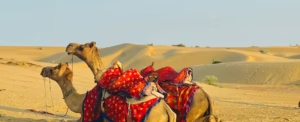
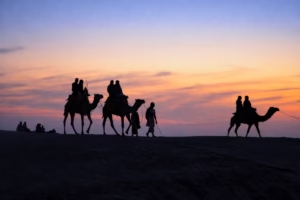
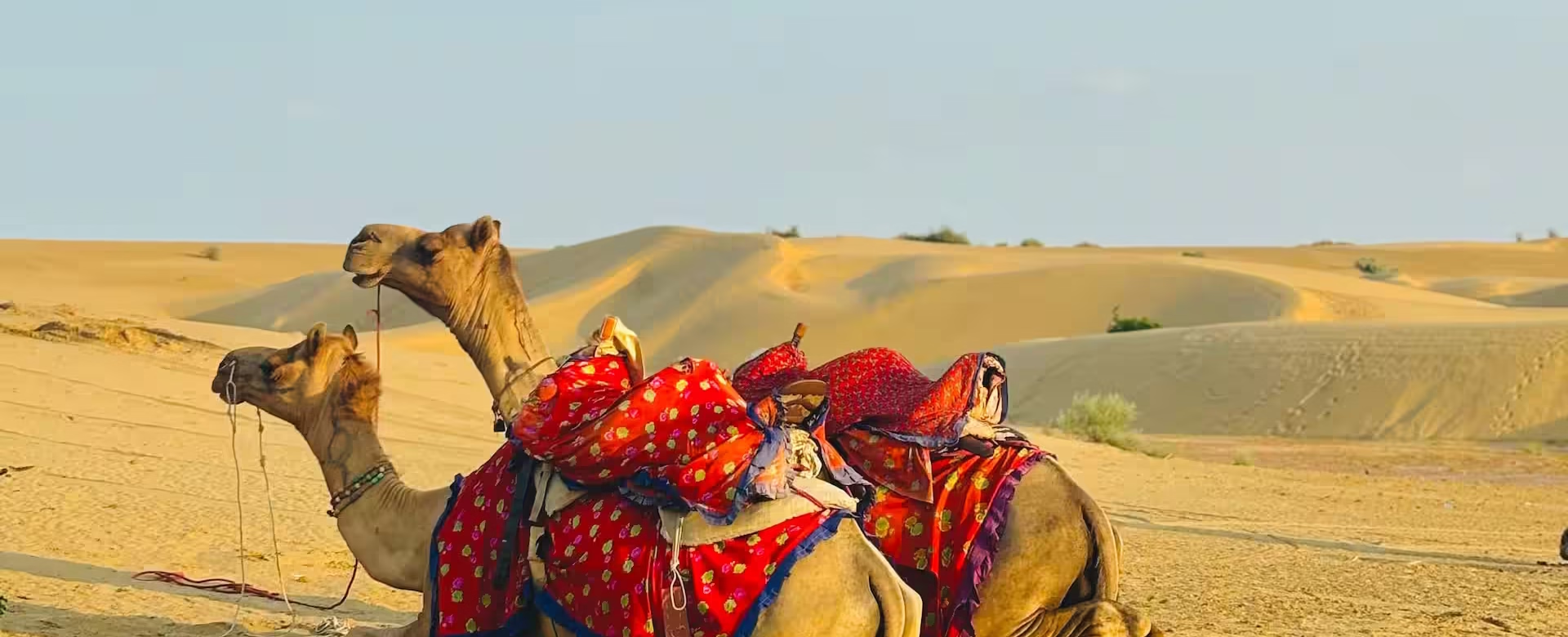
For a Thar Desert experience, choose November to February. Daytime temperatures around Jaisalmer are much more manageable than during summer, while the desert becomes wonderfully atmospheric after sunset. November and February can be particularly appealing. A private desert camp, sunset camel ride and dinner beneath the stars make winter one of the most memorable ways to experience western Rajasthan.
Best Time for Rajasthan Wildlife Safaris
Wildlife follows a different seasonal rhythm from sightseeing. March to May can be particularly rewarding for tiger safaris at Ranthambore National Park, when rising temperatures encourage animals to visit remaining water sources. Ranthambore generally offers safari opportunities from October through June, subject to seasonal park closures. Sariska Tiger Reserve and other wildlife areas can also be rewarding during the warmer months. For wildlife photography, early morning safaris remain essential because midday heat can be intense.
Best Time to Experience Rajasthan Festivals
There is no single best festival season because Rajasthan's major celebrations occur throughout the year. Pushkar Camel Fair, usually held in October or November, can shape an entire itinerary around Pushkar. Holi in March offers a completely different cultural experience, while the Jaisalmer Desert Festival, usually held in February, brings performances and traditional celebrations to the Thar Desert. Festival dates vary each year, so check the specific dates before booking flights and hotels.
Best Time for a Rajasthan Honeymoon
October to March is the safest choice for a Rajasthan honeymoon. Comfortable weather allows couples to combine Udaipur's lakes, Jodhpur's heritage and Jaisalmer's desert without excessive heat. December and January are particularly romantic for palace stays, although desert nights can be cold. For couples seeking fewer visitors, consider the shoulder season and build the journey around private dining, heritage properties and slower-paced experiences.
Best Time for Photography in Rajasthan
October to February offers some of the best conditions for photography. The softer winter light works beautifully around Jaipur's architecture, Jodhpur's blue houses and Udaipur's lakes. Early mornings can bring atmospheric light and fewer people around major monuments. February can also be excellent for desert photography, when cooler conditions make sunrise and sunset shoots easier to enjoy.
Best Time for a Luxury Rajasthan Holiday
For a classic luxury journey, choose October to March. Pleasant weather allows you to enjoy palace hotels, private guides, outdoor dining, desert camps and curated cultural experiences comfortably. December through February brings the strongest demand, so premium properties can fill quickly. If you want a quieter experience with greater flexibility, October and March can offer an attractive balance between weather and demand.
Best Time to Avoid Crowds
If privacy matters more than perfect weather, consider July to September. Monsoon is generally Rajasthan's quieter travel period, particularly outside major festivals. Udaipur is an excellent choice, with greener hills, fuller lakes and dramatic skies creating a very different atmosphere. September and early October can also work well for travellers seeking fewer visitors while moving towards the more comfortable winter season.
Does the Best Time to Visit Rajasthan Change by Destination?
Yes. Rajasthan is a large state, and its climate, landscape and experiences vary significantly from one region to another. The ideal time for a tiger safari in Ranthambore is not necessarily the best time for a desert camp in Jaisalmer. Likewise, Udaipur can be especially atmospheric during the monsoon. If your itinerary covers several destinations, choose your travel dates around the experiences that matter most.
Best Time to Visit Jaipur
The best time to visit Jaipur is generally October to March, when daytime temperatures are comfortable for exploring Amber Fort, City Palace and the old city's markets. November to February is particularly pleasant. October and March can be good alternatives if you prefer slightly warmer weather and potentially fewer peak-season visitors.
Best Time to Visit Udaipur
October to March offers excellent weather for exploring Udaipur's palaces, lakes and surrounding countryside. However, Udaipur has a special appeal during the July to September monsoon. Rain refreshes the Aravalli landscape, while Lake Pichola and the city's palace architecture become particularly atmospheric. For a quiet luxury escape, monsoon can be surprisingly rewarding.
Best Time to Visit Jodhpur
Visit Jodhpur between October and March for the most comfortable conditions around Mehrangarh Fort, Jaswant Thada and the blue city. November to February is particularly reliable for walking tours and outdoor photography. March can also work well, although afternoons become progressively warmer as summer approaches.
Best Time to Visit Jaisalmer
For Jaisalmer and the Thar Desert, November to February is the clear choice. Winter brings manageable daytime temperatures for exploring the fort and surrounding desert, while evenings can become cold. This is also the best period for overnight desert camps, camel safaris and sunset experiences. Avoid the peak summer months if extensive outdoor desert activities are central to your itinerary.
Best Time to Visit Ranthambore
Ranthambore follows a different seasonal pattern because wildlife viewing, rather than comfortable sightseeing, is the priority. The park generally operates from October through June, subject to seasonal closures. March to May can be particularly productive for tiger sightings as temperatures rise and animals concentrate around water sources. Early morning safaris are essential during the hotter months.
Best Time to Visit Pushkar
October to March is generally ideal for Pushkar, with comfortable conditions for exploring its ghats, temples and surrounding landscape. However, the Pushkar Camel Fair, usually held in October or November, dramatically changes the experience. If you want to attend the fair, plan around its annual dates and book accommodation well ahead. For quieter visits, travel outside the festival period.
Best Time to Visit Bikaner
The best time to visit Bikaner is October to March, when cooler conditions make exploring Junagarh Fort and the city's heritage areas much easier. Winter is particularly suitable for combining Bikaner with a wider desert itinerary. January mornings and evenings can be cold, so warm layers are useful.
Best Time to Visit Bundi
October to March provides the most comfortable conditions for exploring Bundi Palace, Taragarh Fort and the town's distinctive stepwells. The monsoon months can also be beautiful, as rainfall adds colour to the surrounding hills and enhances the town's atmospheric character. This makes July to September interesting for travellers seeking quieter, more immersive experiences.
Best Time to Visit Mount Abu
Mount Abu is Rajasthan's hill station, so its climate differs from the desert regions. October to March is excellent for sightseeing and outdoor exploration, while summer can be relatively appealing because of its higher elevation. Monsoon also brings greenery and cooler conditions, making July to September attractive for travellers who enjoy misty landscapes and a quieter atmosphere.
Rajasthan Travel Seasons: Weather, Crowds and Prices
Rajasthan's travel seasons are shaped by more than temperature. Weather, visitor numbers, hotel demand and festival calendars all influence what your journey will feel like and how far your budget will go. Peak season offers the easiest conditions for sightseeing, while the shoulder and low seasons can reward travellers who value flexibility, privacy and a more relaxed pace. For luxury travel, the quieter months can sometimes offer a particularly appealing balance.
Peak Season: October to March
October to March is Rajasthan's main tourist season because the weather is generally at its most comfortable. November to February brings excellent conditions for forts, palaces, markets and desert experiences, with cooler evenings in cities such as Jaipur and Jodhpur and much colder nights in the Thar Desert. Demand rises sharply during this period, especially around Christmas, New Year and major festivals. Popular palace hotels, heritage properties, desert camps and safari lodges can fill well ahead of arrival. For a luxury journey during December or January, booking several months in advance is a sensible approach.
Shoulder Season: March, September and October
The shoulder months can offer an attractive middle ground between weather, crowds and value. October is especially appealing because the intense summer heat has eased, although some afternoons can still be warm. March becomes hotter as the month progresses but can work well for wildlife-focused journeys. September marks the end of the monsoon in many areas, bringing greener landscapes and gradually improving conditions. Visitor numbers are generally lower than during peak winter, giving you more flexibility with hotels and experiences. For travellers seeking a quieter luxury itinerary without moving too far from the ideal weather window, these months deserve serious consideration.
Low Season: April to August
April to August covers Rajasthan's hottest and wettest periods, so it requires more thoughtful planning. May and June can be extremely hot, with temperatures exceeding 40°C in parts of the state, making long afternoon sightseeing uncomfortable. Yet summer can be excellent for wildlife enthusiasts, particularly in Ranthambore, where hotter conditions may improve opportunities to spot tigers near water. July and August bring the monsoon, particularly benefiting southern destinations such as Udaipur. Lower visitor demand can also create a quieter atmosphere for luxury stays, private experiences and slower itineraries, provided you choose destinations and activities suited to the season.
Is Rajasthan Worth Visiting in the Off-Season?
Yes, Rajasthan can be well worth visiting in the off-season, provided you choose your destinations and experiences carefully. The quieter months reveal a different side of the state. Major forts and palaces can feel less hectic, private guides have more flexibility, and luxury hotels offer a more relaxed atmosphere. Lower demand can also create opportunities for better accommodation value, although prices vary by property and dates.
The key is to match the season with your priorities. Summer can suit wildlife enthusiasts, while monsoon is particularly rewarding around Udaipur and southern Rajasthan. The trade-off is straightforward: you exchange peak-season weather for fewer visitors, greater tranquillity and a more distinctive experience.
Why Choose Rajasthan in Summer?
Summer is hot, but it can work exceptionally well for travellers with a focused itinerary. March to May is particularly interesting for wildlife, as rising temperatures can encourage tigers and other animals to gather near water sources in Ranthambore. Early morning safaris help avoid the worst heat. Luxury hotels also provide cool, comfortable retreats during the hottest part of the afternoon, while visitor numbers remain comparatively low.
Why Choose Rajasthan During Monsoon?
Monsoon offers Rajasthan at its most unexpected. From July to September, rain brings greener landscapes to parts of southern Rajasthan, while lakes around Udaipur can be particularly atmospheric. Tourist numbers are generally lower, making this an appealing period for private sightseeing and relaxed palace stays. The weather is less predictable, but travellers who value quiet experiences, dramatic skies and lush scenery may find monsoon more rewarding than peak winter.
Who Should Avoid Off-Season Travel?
Travellers who want to spend long hours outdoors every day may find April to June uncomfortable because afternoon temperatures can exceed 40°C in parts of Rajasthan. Monsoon may also disappoint those expecting consistently dry weather. First-time visitors planning an extensive fort-and-palace circuit, with little flexibility around weather, will usually have an easier experience between October and March.
When Is the Cheapest Time to Visit Rajasthan?
The cheapest time to visit Rajasthan is generally during the off-season, particularly April to September, when extreme summer heat and monsoon conditions reduce overall tourist demand. Lower demand can put less pressure on accommodation, especially outside major festivals and holiday periods. However, pricing varies by destination, hotel category, events and booking dates, so there is no single low-season rate across Rajasthan.
For travellers seeking affordable Rajasthan travel, the best opportunities often come from avoiding the busiest winter months. December through February typically attracts strong demand for palace hotels, desert camps and popular heritage destinations. Christmas, New Year and major festivals can push demand even higher. By comparison, travelling during quieter periods can give you more flexibility with accommodation and private experiences.
But cheapest does not necessarily mean best. April and May can offer lower demand, but temperatures can exceed 40°C in parts of Rajasthan, making long sightseeing days uncomfortable. The monsoon months of July and August are quieter and can be appealing around Udaipur, but rainfall can affect outdoor plans.
For the best balance between weather, crowds and Rajasthan hotel prices, consider the shoulder periods, particularly October or March, depending on your itinerary. You may not get the lowest possible rates, but you can enjoy considerably better conditions while avoiding the busiest part of the winter season.
When Is Rajasthan Most Crowded?
Rajasthan is generally most crowded between November and February, when cooler weather attracts domestic and international travellers. December and January are particularly busy, especially around Christmas and New Year. Jaipur, Udaipur, Jodhpur and Jaisalmer can all experience strong demand during this period.
Major festivals can create additional peaks. The Pushkar Camel Fair, usually held in October or November, brings a significant influx of visitors to Pushkar. The Jaisalmer Desert Festival, generally held in February, can similarly increase demand for accommodation and desert experiences. Festival dates vary each year, so travellers should check the official schedule before planning.
Crowds do not necessarily make Rajasthan less enjoyable. The winter season remains popular for good reason, with comfortable conditions for sightseeing and outdoor experiences. The bigger concern is hotel availability. Highly regarded palace hotels, heritage properties and premium desert camps have limited inventory, so desirable room categories can disappear well before arrival. Private guides, vehicles and wildlife safaris can also become harder to arrange at short notice.
How Far in Advance Should You Book?
For a luxury Rajasthan journey during December to February, I recommend starting your planning several months ahead. Allow extra time for palace hotels and premium desert camps, which have limited rooms. Wildlife safaris in Ranthambore should also be planned early, particularly around popular travel dates. For Pushkar Fair, Desert Festival, Christmas and New Year, booking well ahead is especially important. The earlier you plan, the greater your choice of hotels, room categories and experiences.
How to Choose the Right Time for Your Rajasthan Journey
The best time to visit Rajasthan ultimately depends on how you want to experience the state. Instead of choosing dates based only on temperature, consider your priorities, destinations and tolerance for crowds. A private desert journey, a tiger safari and a romantic Udaipur escape can each have a different ideal season.
Choose October–November If...
Choose October or November if you want a strong balance of comfortable weather, cultural experiences and outdoor exploration. October is particularly appealing as temperatures begin to ease, while November offers excellent conditions for Jaisalmer and the Thar Desert. This period also works well for combining Jaipur, Jodhpur, Udaipur and Pushkar in one journey.
Choose December–February If...
Choose December to February for the classic Rajasthan experience. Winter offers some of the most comfortable conditions for exploring forts, palaces, markets and historic cities. It is also ideal for desert camps and cultural experiences. Expect higher demand, particularly around Christmas, New Year and major festivals, so premium accommodation should be arranged well ahead.
Choose March–May If...
Choose March to May if wildlife is your priority or you prefer travelling outside peak tourist season. Rising temperatures can make tiger sightings rewarding at Ranthambore, as animals increasingly gather around water sources. March is more comfortable for general sightseeing, while April and May require early starts and careful planning around the intense afternoon heat.
Choose July–September If...
Choose July to September if you prefer quieter travel, greener landscapes and a more atmospheric side of Rajasthan. Monsoon is particularly appealing around Udaipur and southern Rajasthan, where rain refreshes the hills and lakes. It is well suited to travellers who enjoy leisurely palace stays, private experiences and fewer visitors, although showers can make outdoor plans less predictable.
How Long Should You Spend in Rajasthan?
Rajasthan rewards slower travel. While you can see a few highlights in a week, allowing more time lets you experience the state's different landscapes and cultures without spending every day on the road. Your ideal trip length also depends on the season. Summer heat can make a slower itinerary more comfortable, while winter weather allows you to cover more ground. For detailed route planning, see our Rajasthan itinerary guide.
5–7 Days
A 5–7 day Rajasthan trip works best for a focused introduction. Combine two or three destinations, such as Jaipur, Jodhpur and Udaipur, rather than trying to cover the entire state. In winter, you can comfortably include more sightseeing. During hotter months, keep afternoons flexible and prioritise early-morning experiences.
8–10 Days
With 8–10 days, you can experience Rajasthan at a more relaxed pace. A classic route might combine Jaipur, Jodhpur, Jaisalmer and Udaipur. November to February is ideal for this wider circuit. During summer, consider reducing long overland journeys and adding wildlife experiences or longer stays at luxury properties.
12–14 Days
A 12–14 day journey gives you enough time to explore Rajasthan beyond its most famous cities. Add Pushkar, Ranthambore, Bundi or a desert experience to the classic route. Winter allows extensive sightseeing, while March to May is better suited to incorporating wildlife. Monsoon can favour Udaipur, Bundi and southern Rajasthan.
When You Have Two Weeks or More
With two weeks or more, you can travel deeper rather than simply adding destinations. Combine heritage cities with Ranthambore, the Thar Desert and quieter places such as Bundi or Mount Abu. Your season should shape the route. Winter supports a broad circuit, while summer and monsoon reward a more selective itinerary built around wildlife, landscapes and exceptional stays.
Frequently Asked Questions About the Best Time to Visit Rajasthan
Which month is best to visit Rajasthan?
November is one of the best all-round months to visit Rajasthan. The weather is generally pleasant, making it comfortable to explore forts, palaces and markets. It is also an excellent time for Jaisalmer and the Thar Desert. However, November can be busy, particularly around major festivals, so book popular hotels and experiences early.
Is October a good time to visit Rajasthan?
Yes. October is an excellent shoulder-season choice, particularly from the middle of the month onwards. Temperatures begin to become more comfortable after summer, while visitor numbers are generally lower than during the winter peak. It works particularly well for Jaipur, Jodhpur, Udaipur and heritage-focused journeys.
Is November the best month to visit Rajasthan?
For many first-time visitors, November comes close to being the ideal month. It combines comfortable daytime temperatures with excellent conditions for desert experiences and sightseeing. The main drawback is increasing demand, especially around the Pushkar Camel Fair and other events. If your dates overlap with a major festival, reserve accommodation well ahead.
Is December a good time to visit Rajasthan?
December is an excellent time for a classic Rajasthan journey. Days are generally comfortable, while evenings and nights can become cold, particularly in the Thar Desert. It is ideal for combining palace stays, heritage sightseeing and desert camps. Demand rises significantly around Christmas and New Year, making early booking important.
Is January too cold for Rajasthan?
No, although January mornings and evenings can be surprisingly cold. Daytime conditions are generally comfortable for sightseeing, but temperatures can drop considerably overnight in desert areas such as Jaisalmer. Pack layers and a warm jacket if you are travelling through western Rajasthan. January is particularly good for cultural and heritage-focused trips.
Is Rajasthan worth visiting during the monsoon?
Yes, especially if you enjoy quiet travel and dramatic landscapes. July to September brings rainfall and greener scenery to parts of Rajasthan, with Udaipur particularly atmospheric around its lakes and surrounding hills. Rain can occasionally disrupt outdoor plans, but lower visitor numbers and a relaxed pace make monsoon appealing for luxury and romantic journeys.
Is Rajasthan too hot in summer?
Summer can be extremely hot, with temperatures exceeding 40°C in parts of Rajasthan during April and May. However, it is not unsuitable for every traveller. Wildlife enthusiasts may choose this period for Ranthambore, where animals can become easier to locate around water. Plan outdoor activities for early morning and use the hottest hours for rest.
What is the best time for a Rajasthan desert safari?
The best time for a Rajasthan desert safari is November to February. Daytime temperatures are far more comfortable than during summer, making camel rides, dune excursions and outdoor activities enjoyable. Desert nights can be cold, so bring warm layers. Jaisalmer and the surrounding Thar Desert are particularly popular during this period.
What is the best time for a tiger safari in Rajasthan?
March to May can be particularly rewarding for tiger safaris in Ranthambore. As temperatures rise, water becomes more limited and wildlife may gather around remaining water sources, creating promising viewing opportunities. Safaris begin early, which helps avoid the strongest heat. The park's operating season and zones can vary, so check current conditions before travelling.
What is the best time for a Rajasthan honeymoon?
October to March is generally the best period for a Rajasthan honeymoon. Pleasant weather allows couples to combine Udaipur's lakes, Jodhpur's heritage and Jaisalmer's desert with private experiences and luxury stays. For a quieter honeymoon, consider October or March rather than the busiest December and January period.
How far in advance should I book a Rajasthan trip?
For peak-season travel, particularly December to February, start planning several months ahead. Luxury palace hotels, premium desert camps and wildlife safaris have limited availability. Book even earlier if travelling during Christmas, New Year, Pushkar Fair or the Jaisalmer Desert Festival. Early planning also gives you greater choice of room categories, guides and private experiences.
Final Thoughts: Experience Rajasthan in Your Own Season
Rajasthan is not a destination that fits neatly into a single travel season. Its appeal changes with the calendar, and that is part of what makes planning a journey here so rewarding. Winter brings crisp mornings, grand heritage and ideal conditions for exploring its forts, palaces and desert landscapes. Summer reveals a different rhythm, particularly for travellers drawn to wildlife. The monsoon brings quieter roads, greener countryside and a wonderfully atmospheric Udaipur, while festival periods offer a closer connection to Rajasthan's living culture.
Beyond the weather, there is the pleasure of discovering regional cuisine, meeting local communities and staying in remarkable heritage properties where hospitality feels deeply connected to place. These experiences can transform a Rajasthan trip from a checklist of famous sights into something far more personal.
The best time to visit Rajasthan is not simply a date on the calendar. It is the season that best matches the journey you want to experience.
At Exotic Spells, we design private, carefully selected Rajasthan journeys around your interests, pace and preferred travel season. Whether you dream of palace stays, desert nights, wildlife encounters or immersive cultural experiences, the itinerary should work around you.
Plan Your Bespoke Rajasthan Journey