
At 5:42 in the morning, I was standing beside Dal Lake in Srinagar with a cup of kahwa that was rapidly losing its battle against the Himalayan cold.
The shikara boatman had arrived precisely on time, which in India is either a sign of exceptional professionalism or evidence that I had accidentally entered a parallel universe. I am still investigating.
The lake was perfectly still. The wooden houseboats floated quietly, the Zabarwan Mountains reflected on the water, and a lone fisherman moved through the mist with the kind of calm confidence that comes from doing the same thing every morning for thirty years.
I, meanwhile, was struggling with my camera settings and wondering why my gloves had somehow disappeared from my bag despite me personally packing them the night before. Travel teaches many lessons. One of them is that objects placed inside luggage develop their own opinions.
That morning reminded me why choosing the most beautiful places in India is an impossible task.
India does not suffer from a shortage of beautiful places. It suffers from an embarrassing surplus.
Selecting ten feels slightly unfair, like asking a chef to choose his favourite spice. You may get an answer, but you will probably notice a slight sadness in his eyes.
After years of travelling across India, from the high deserts of Ladakh to the forests of Madhya Pradesh and the quiet waterways of Kerala, these are the destinations I return to in my mind. Not simply because they look extraordinary, but because they offer something beyond a photograph.
They offer a feeling.
And luxury travel, at its finest, has always been about that.
1. Kashmir: Where Mountains, Lakes, and Time Move Slowly
There are places you visit with an itinerary.
Then there are places where the itinerary quietly disappears because the destination has other plans.
Kashmir belongs to the second category.
I have visited Kashmir many times, and every visit has produced the same mildly irritating reaction: the place somehow looks better than I remember. It is as if the mountains spend the months between my visits practising.
A morning on Dal Lake begins differently from most mornings. There is no alarm clock. No hurried breakfast buffet where guests inspect pastries as if conducting a scientific experiment. Instead, there is the gentle sound of a shikara cutting through the water and the distant call of vendors selling fresh produce from their boats.
The experience is wonderfully unhurried.
Which is rare.
Modern travellers have become strangely talented at rushing through beautiful places. We arrive at a viewpoint, take seventeen photographs, upload three, and leave before we have actually looked at anything.
Kashmir refuses this behaviour.
The valley asks you to slow down.
Beyond Srinagar, Gulmarg offers another version of Kashmir’s beauty. In summer, its meadows stretch beneath snow-covered peaks. In winter, it becomes one of Asia’s finest skiing destinations. The transformation is almost absurd.
A place can be a green meadow in July and a snow-covered adventure playground in January.
Nature clearly enjoys changing costumes.
For luxury travellers, Kashmir offers experiences that feel deeply personal: a private shikara ride at dawn, a stay in a beautifully restored houseboat, a traditional wazwan feast where the number of dishes seems designed to test both appetite and table strength.
The famous rogan josh arrives with its rich aroma. The gushtaba follows. Then something else appears.
You eventually stop asking what comes next.
You simply accept that the meal has become a long-term commitment.
2. Ladakh: The Mountains That Forgot to Follow the Rules
Ladakh has always seemed to me like a place where geography became slightly overconfident.
Someone created mountains, deserts, lakes, and monasteries and then decided to place them all together at an altitude where your lungs immediately begin filing complaints.
The landscape is dramatic in a way that almost feels unreasonable.
At Pangong Lake, the water changes colour throughout the day. Blue becomes turquoise. Turquoise becomes silver. The mountains stand around it like silent spectators.
The lake gained global fame after appearing in Bollywood films, which created a fascinating situation where thousands of visitors arrived expecting cinematic magic.
Fortunately, Ladakh did not need Bollywood’s help.
It was already showing off.
The monasteries are another reason the region stays with you. Places like Thiksey Monastery rise above the valleys with a quiet dignity that modern architecture rarely achieves.
I say this as someone who appreciates good hotel design. Give me a beautifully designed suite with floor-to-ceiling windows and I will be very happy. But there is something humbling about a centuries-old monastery built by people who had neither architects with expensive software nor mood boards.
They simply built something meaningful.
Luxury in Ladakh is not about excess. It is about access.
A private guide explaining ancient Buddhist traditions. A carefully prepared meal after a day exploring remote valleys. A comfortable room where you can watch the stars without hearing another guest’s television through the wall.
A rare luxury.
Silence.
3. The Andaman Islands: India’s Tropical Masterpiece
The first time I saw the water at Radhanagar Beach, I had the same reaction I have whenever nature creates something inconveniently perfect.
I became suspicious.
Surely water should not be that clear.
Surely beaches should not look like someone spent hours arranging them.
But the Andaman Islands have never been interested in my opinions.
Located in the Bay of Bengal, these islands offer a completely different India. The pace slows, the forests become thicker, and the sea becomes the main character.
Radhanagar Beach on Havelock Island has earned international recognition for its beauty, and it deserves every compliment. White sand, turquoise water, and dramatic sunsets create the kind of scene where even people who claim they “do not care about beaches” suddenly become interested in sitting quietly.
I have seen this happen.
People who normally cannot survive five minutes without checking their phones suddenly spend an hour watching waves.
Nature has excellent persuasion skills.
The luxury experience here is about simplicity done exceptionally well. Private beach dinners, diving experiences among coral reefs, fresh seafood prepared with local ingredients, and mornings where the biggest decision is whether to swim before breakfast or after.
A difficult decision.
I know.
4. Kerala Backwaters: The Art of Doing Almost Nothing
There is a particular moment on a Kerala backwater journey when you realise you have stopped checking the time.
This is usually when the holiday has officially succeeded.
The backwaters of Kerala stretch through a network of lakes, canals, and lagoons surrounded by coconut palms and villages. Traditional kettuvallam houseboats move slowly through this world, offering one of India’s most peaceful travel experiences.
Slow travel is a fashionable phrase now.
Kerala has been practising it for centuries.
A luxury houseboat experience here is not about filling your day with activities. It is about enjoying the rare privilege of having nowhere urgent to be.
A chef prepares fresh seafood. The boat glides past villages. Children wave from the banks. Birds move through the trees.
You watch.
That is the activity.
For someone used to modern schedules, this can initially feel uncomfortable. We have trained ourselves to believe that productivity must involve movement. Kerala gently suggests that sometimes the most productive thing you can do is sit with a cup of tea and watch the world pass.
The world does surprisingly well without our supervision.
5. Meghalaya: Where Rain Created a Living Wonder
Meghalaya is one of those places that makes you question whether nature has a sense of humour.
The state receives some of the highest rainfall on Earth, and instead of becoming gloomy about it, the landscape decided to become spectacular.
Waterfalls appear everywhere. Forests remain intensely green. Rivers run so clear that you briefly wonder if someone forgot to add the usual amount of river-related dirt.
The living root bridges of Meghalaya are among India’s most fascinating creations.
They are not built.
They are grown.
The Khasi communities have guided the roots of rubber fig trees across rivers and gaps for generations, creating bridges that become stronger with age.
A bridge that improves over time.
Many human creations cannot make that claim.
The luxury here is found in thoughtful exploration. Private nature walks, stays in carefully designed lodges, visits to remote villages, and experiences that connect travellers with communities rather than simply passing through them.
Meghalaya rewards curiosity.
And comfortable shoes.
Always comfortable shoes.
6. Spiti Valley: The High Desert of Himachal Pradesh
Spiti is not a place that tries to impress you.
It simply exists.
And somehow that makes it more impressive.
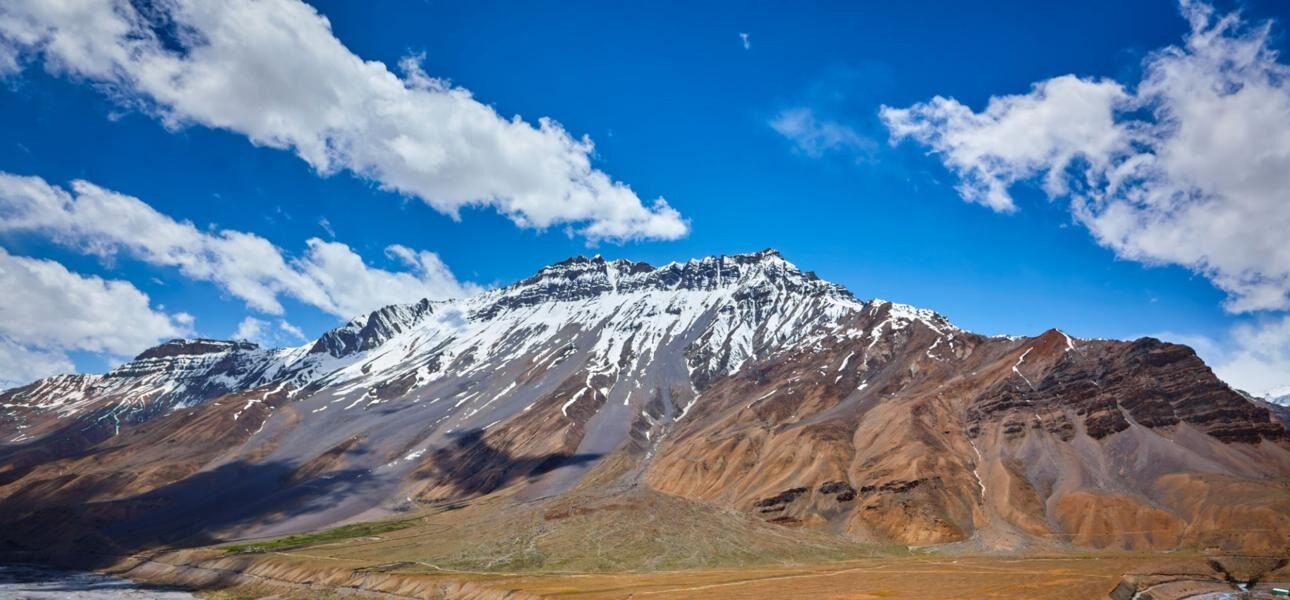
The valley sits at a high altitude in Himachal Pradesh, surrounded by barren mountains, ancient monasteries, and villages that appear almost impossibly placed.
The Key Monastery, rising above the Spiti River, looks like it belongs in a painting rather than on an actual mountain.
The journey requires patience. Roads are challenging. Distances are deceptive. A location that appears close on a map may involve several hours of winding mountain roads.
Maps are optimistic.
Mountains are not.
But the reward is extraordinary.
Spiti offers a sense of remoteness that luxury travellers increasingly value. Not isolation without comfort, but distance from noise.
A quiet evening watching the stars. A warm meal after exploring monasteries. A conversation with locals who understand this landscape in ways no guidebook can explain.
Some places entertain you.
Spiti changes your volume.
7. Pench National Park: The Forest That Inspired Stories
Early morning in Pench begins with a strange mixture of excitement and silence.
The safari vehicle moves slowly through teak forests. The air is cool. Birds announce themselves from hidden branches. Everyone whispers, despite the fact that the animals probably know we are there.
Humans have always had this charming belief that speaking quietly makes us invisible.
It does not.
Pench National Park, spread across Madhya Pradesh and Maharashtra, is famous for its wildlife, especially Bengal tigers. The forest is also associated with Rudyard Kipling’s The Jungle Book, though the real Pench is more subtle than fiction.
The jungle does not perform on demand.
A tiger may appear within minutes.
Or after several safaris.
Or after you have spent hours convincing yourself that seeing fresh pugmarks is actually enough.
It is not.
Luxury safari experiences in Pench combine wilderness with comfort: private naturalists, elegant forest lodges, excellent cuisine, and evenings around a fire discussing sightings.
The forest provides the drama.
The lodge simply makes sure you sleep well afterwards.
8. Munnar: Kerala’s Green Highlands
Munnar looks like someone carefully painted the hills green and then added clouds for atmosphere.
The famous tea plantations cover the slopes in endless patterns. The climate is cool, the air is fresh, and the pace feels wonderfully removed from city life.
The region is also home to Eravikulam National Park and the rare Neelakurinji flower, which blooms roughly once every twelve years.
Nature has an interesting understanding of marketing.
A flower appears once in twelve years, and suddenly everyone wants to see it.
Fair enough.
Munnar’s luxury appeal comes from its quiet elegance. Heritage properties, private tea experiences, gourmet meals, and views that make you forget about emails.
A powerful achievement.
9. Taj Mahal: The Monument That Still Wins Every Argument
I know the Taj Mahal is an obvious choice.
Sometimes obvious choices are obvious because they are correct.
Built by Emperor Shah Jahan between 1631 and 1648 as a memorial to Mumtaz Mahal, the Taj Mahal remains one of the greatest architectural achievements in human history.
The fascinating thing is not just its beauty.
It is the precision.
The symmetry. The marble work. The delicate inlay. The way the building changes character throughout the day.
I have visited many times, and I still find myself looking up and thinking the same thing:
Someone actually built this.
Without modern machines.
Without digital planning tools.
Without the ability to order replacement materials online when something went wrong.
Humans are occasionally remarkable.
10. Valley of Flowers: The Himalayan Garden That Arrives on Its Own Schedule
The Valley of Flowers is nature’s reminder that patience is still a virtue.
The alpine valley in Uttarakhand transforms during the monsoon season, when thousands of flowers bloom across the landscape.
The timing is precise.
Miss the season, and you miss the show.
Which is slightly humbling. We live in a world where everything arrives instantly, from food delivery to entertainment. Then a valley quietly says, “Come back next year.”
And somehow, we listen.
The trek requires effort, but the reward is a landscape that feels wonderfully untouched.
India’s Beauty Is Not Finished Yet
After all these years of travelling across India, I have learned one thing.
Any list of the country’s most beautiful places will immediately become incomplete.
There is always another valley. Another forest road. Another quiet palace courtyard where someone is pouring tea exactly as the evening light turns golden.
Perhaps that is the charm.
India does not run out of places to discover. It simply keeps adding new chapters while you are still reading the previous ones.
And somewhere, at this very moment, there is probably a traveller sitting beside a lake, holding a cup of tea, wondering why they packed six pairs of shoes for a trip where they have mostly been sitting quietly and looking at mountains.
I understand completely.
I have done exactly that.