
Maharashtra
Tiger reserves, ancient caves, Maratha forts and the vibrant gateway to India.
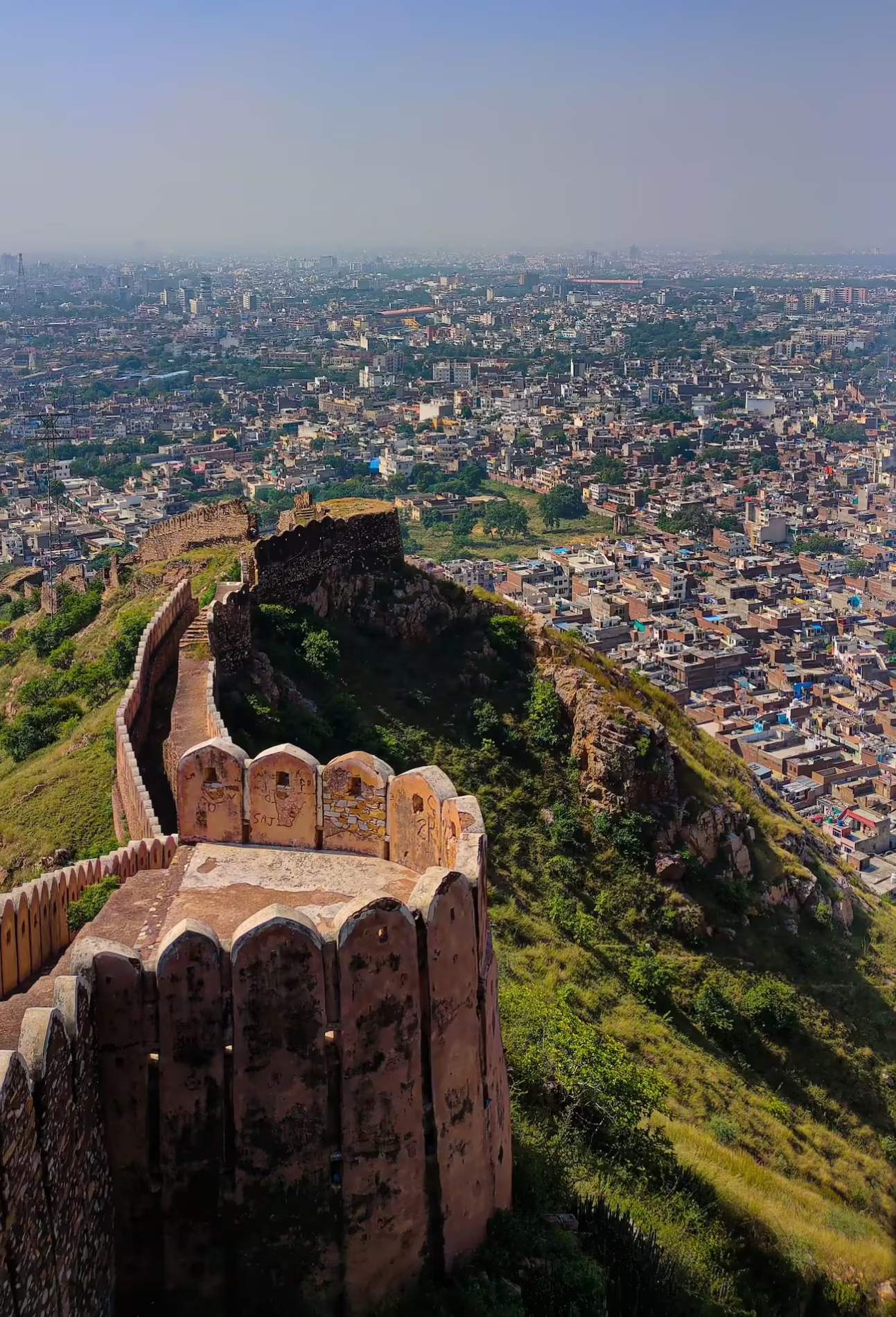
Land of Tigers, Ancient Caves and Maratha Forts
Maharashtra is India's third-largest state and one of the country's best destinations for wildlife, heritage and coastal travel. Famous for its tigers, it is home to top reserves, ancient caves, grand forts, sacred rivers, lively festivals, and rich tribal culture. From the dry teak forests of Tadoba to the rock-cut caves of Ellora, every part of Maharashtra has its own story. Whether you are tracking tigers on safari, walking through historic forts, or strolling along Mumbai's seafront, Maharashtra offers a memorable mix of nature, history, and culture.
Religious & Spiritual Centers
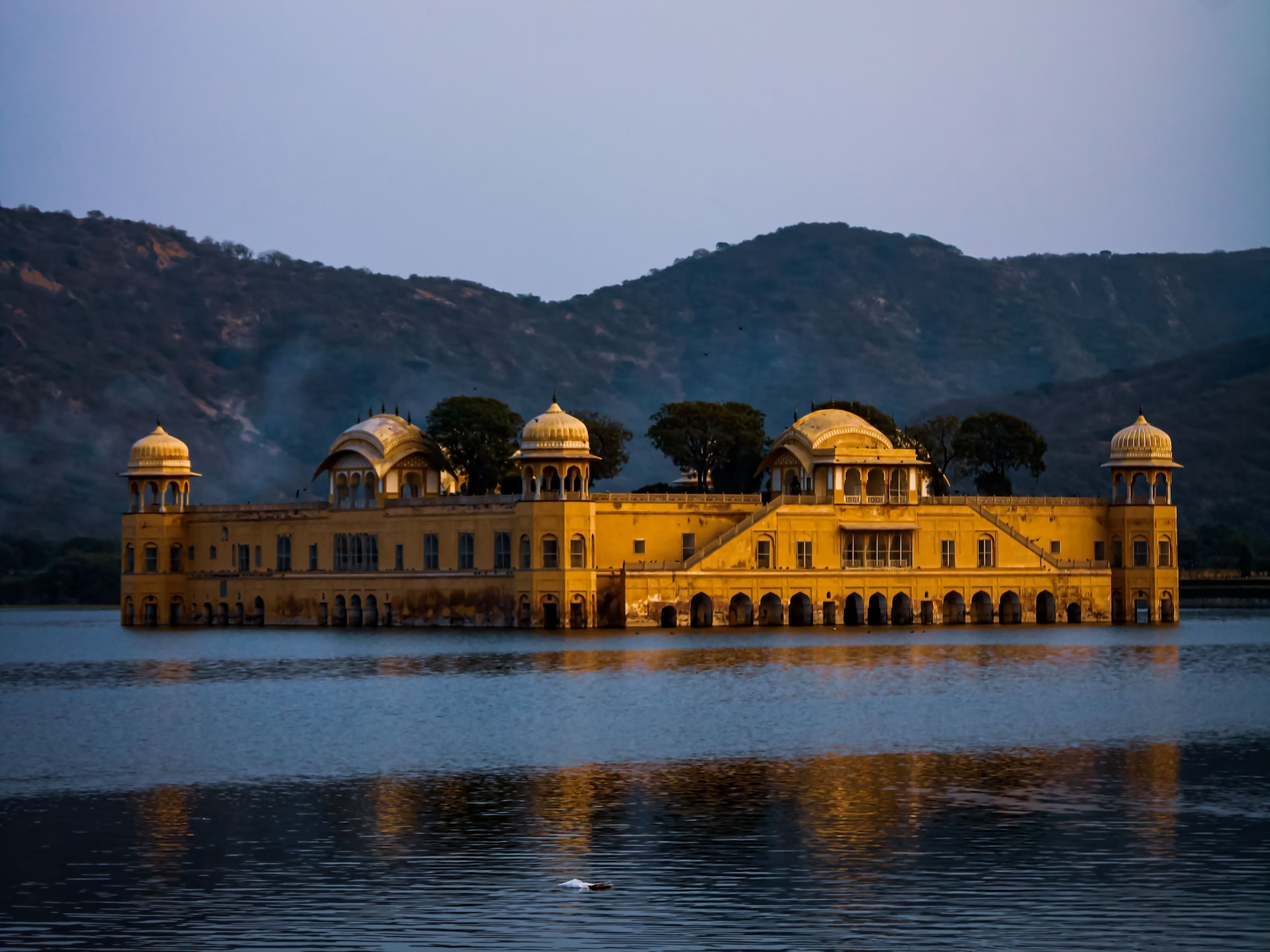
Nashik
Nashik, on the banks of the Godavari River, is known for the Kumbh Mela, Ramkund ghat, and the old temples of Panchavati. It offers a lively introduction to Maharashtra's sacred traditions.
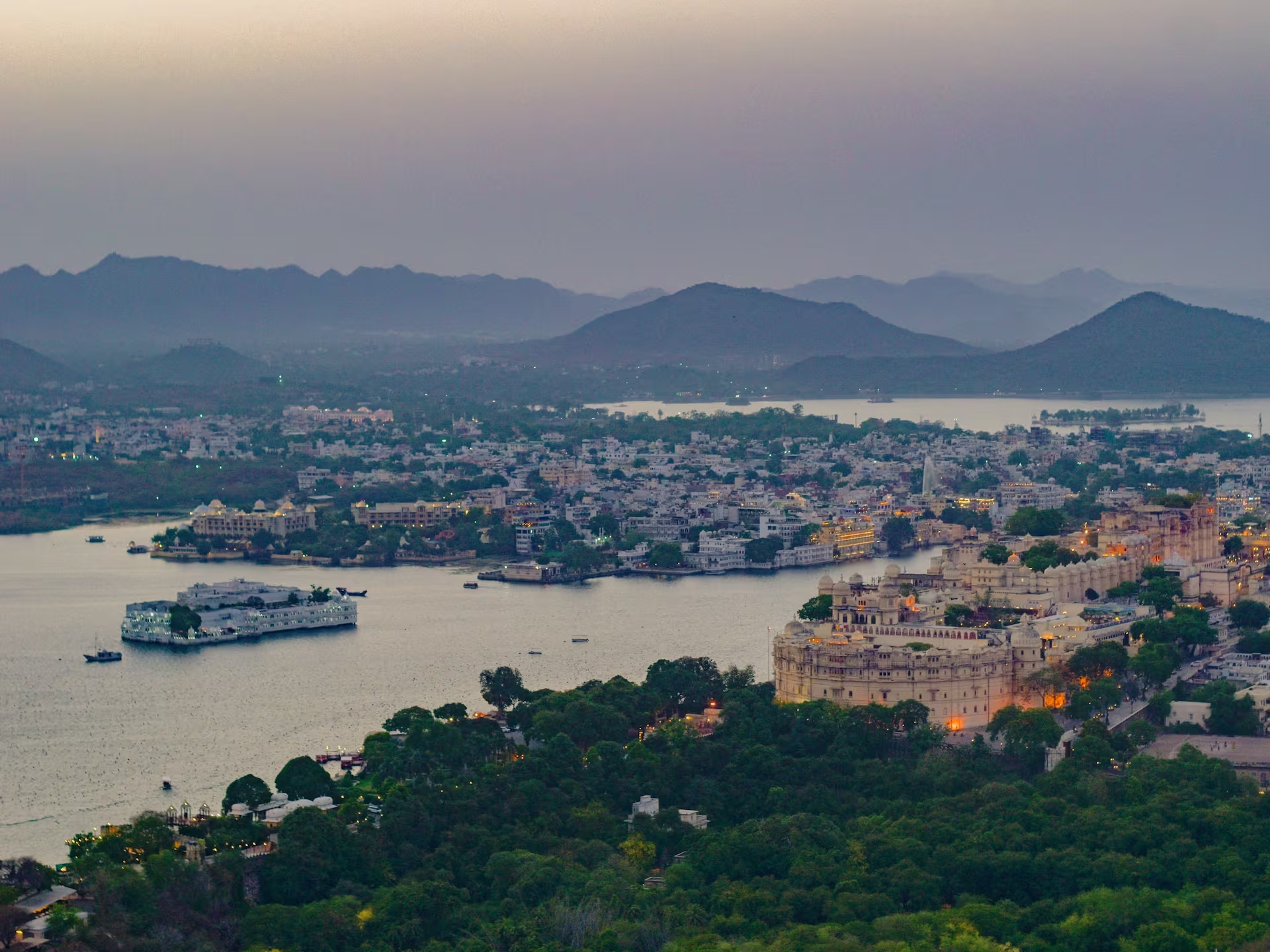
Trimbakeshwar
Trimbakeshwar, near Nashik, is known for its ancient Shiva temple, one of the twelve jyotirlingas, and the Brahmagiri hills. It is also the place where the Godavari River begins.
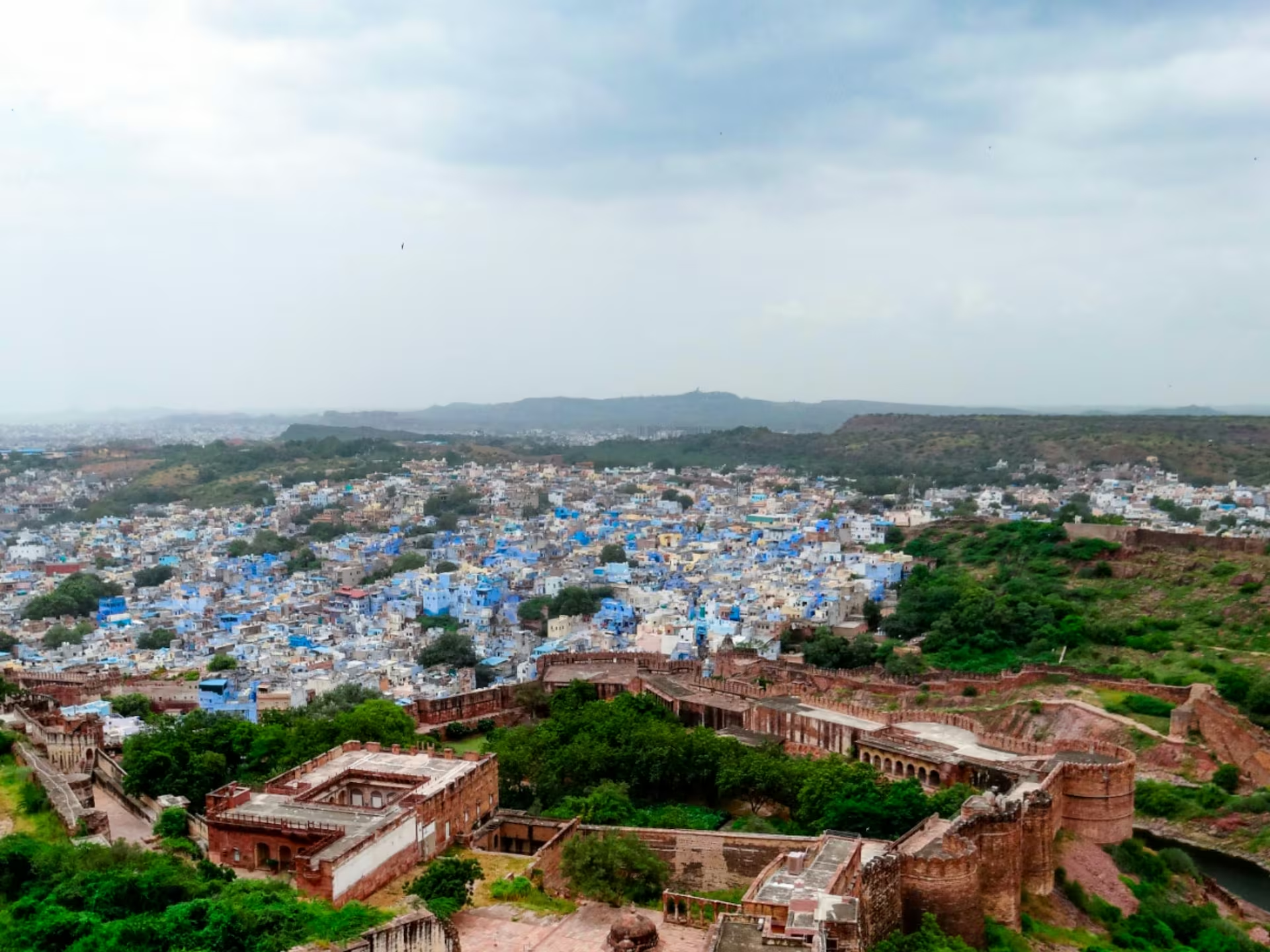
Shirdi
Shirdi is known for the Sai Baba Samadhi Mandir and its daily aarti. It draws millions of pilgrims every year and is easy to reach from Mumbai, Pune, and Nashik.
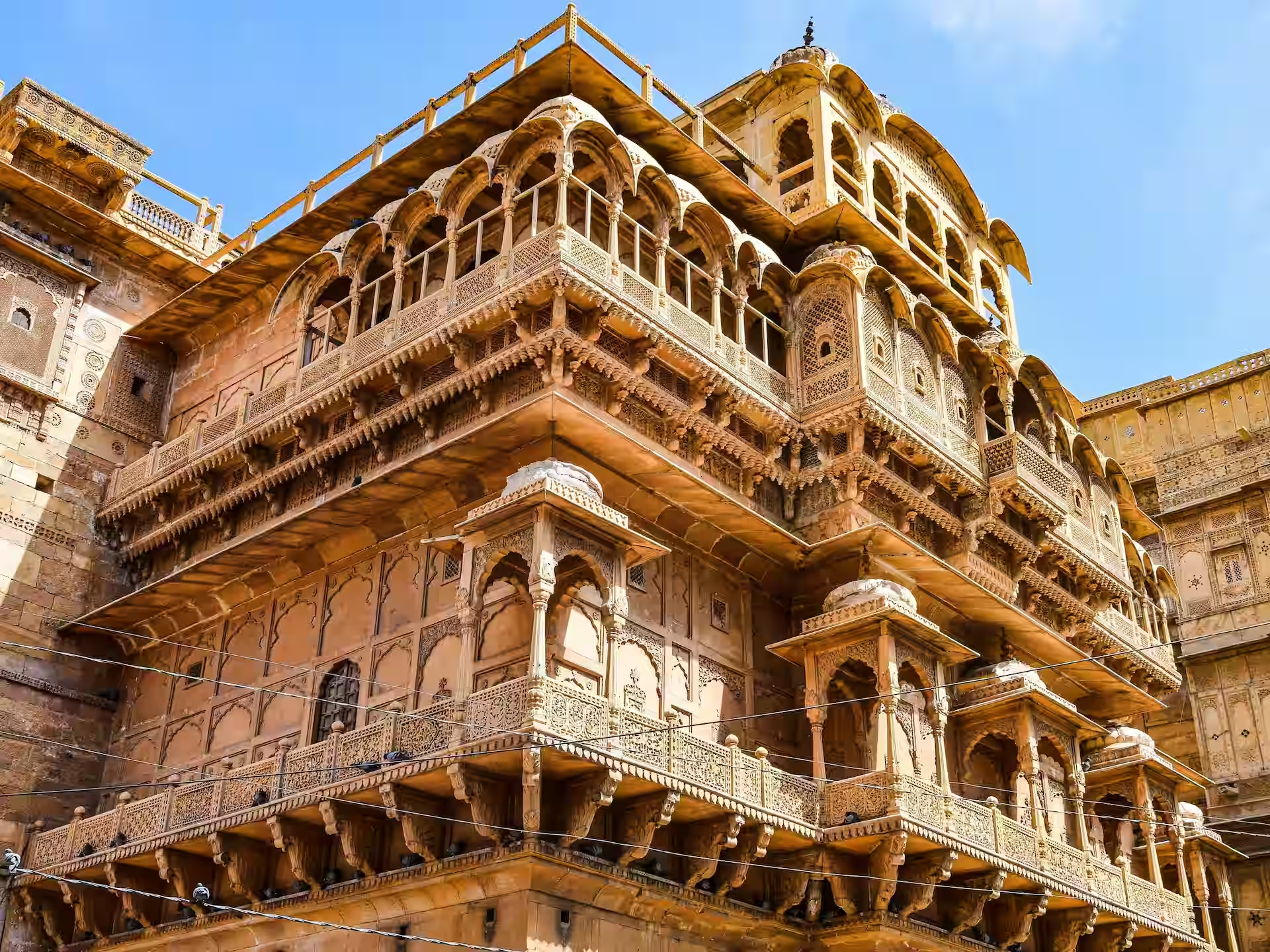
Pandharpur
Pandharpur, on the Bhima River, is known for the Vithoba Temple and the Ashadhi Wari. Every year, lakhs of pilgrims walk here from villages across Maharashtra.
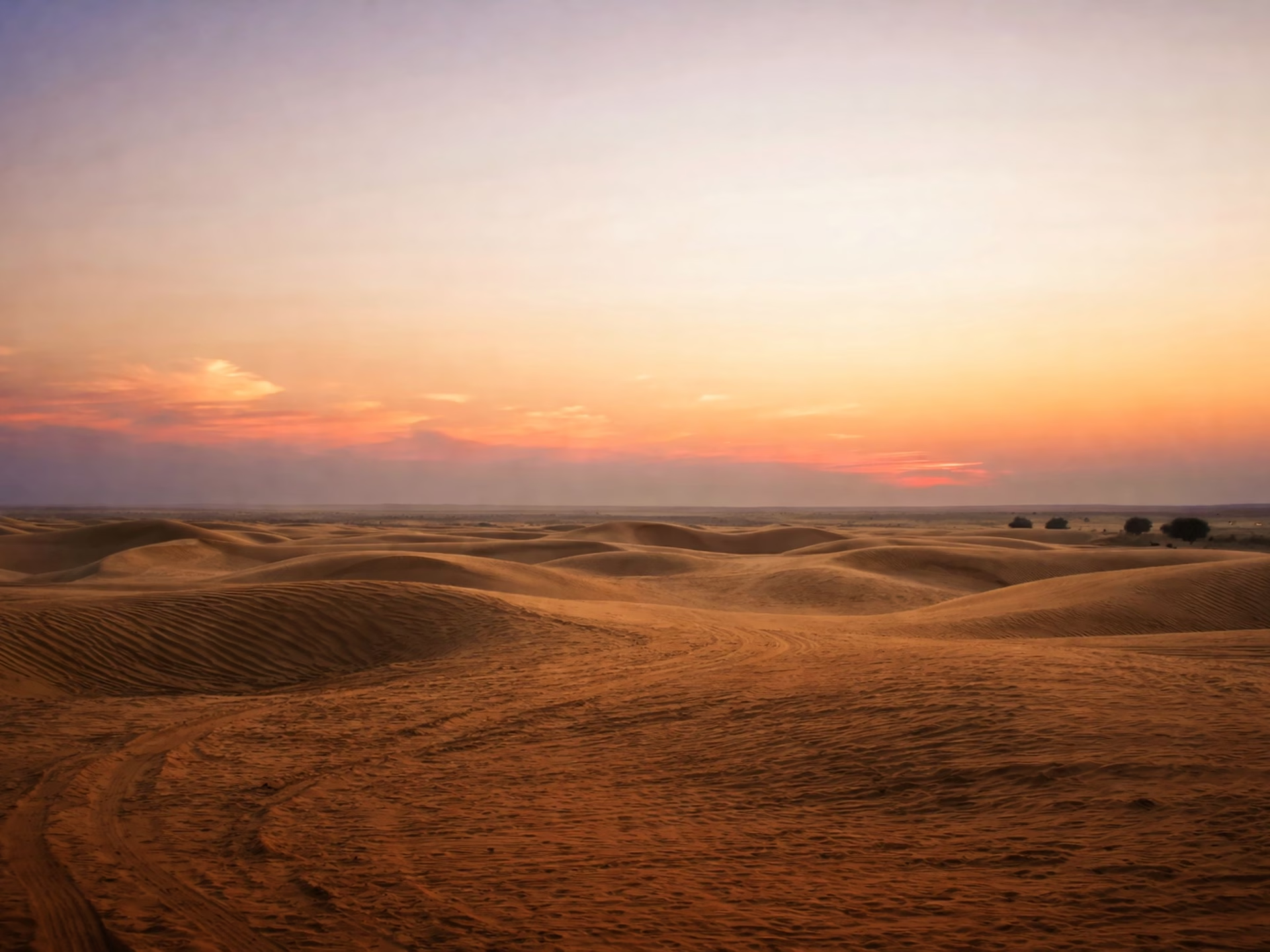
Kolhapur
Kolhapur is known for the Mahalakshmi Temple, one of the revered Shakti Peethas, with its stone carvings and daily rituals. It is also famous for its local food and crafts.
Siddhivinayak Temple, Mumbai
Siddhivinayak, in Prabhadevi, is Mumbai's best-known Ganesha temple. It is especially busy on Tuesdays and festival days, and it is a popular stop for both locals and visitors.
Wildlife & National Parks
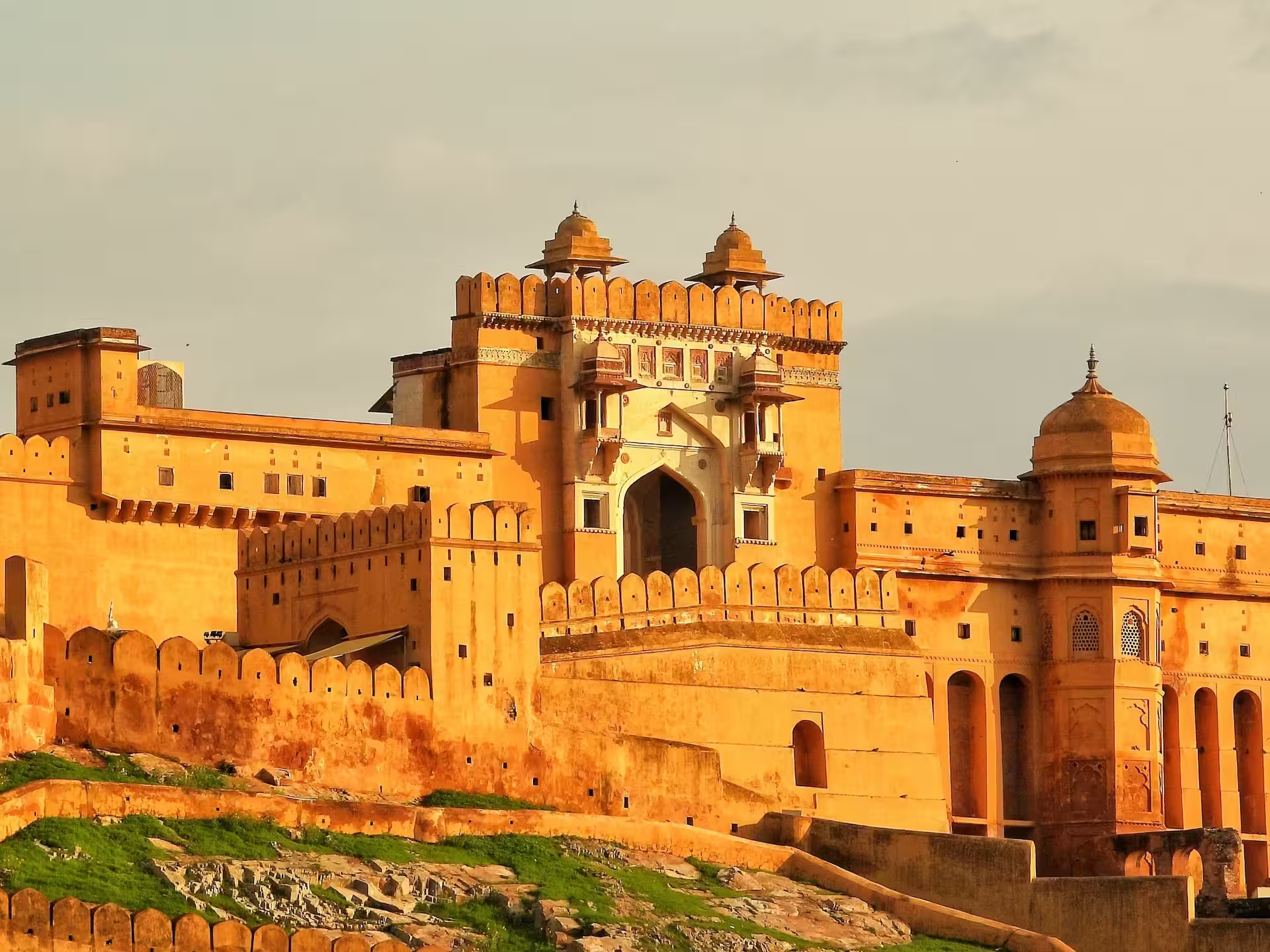
Tadoba Andhari Tiger Reserve
Maharashtra's oldest tiger reserve, famous for teak forests, a scenic lake, and regular tiger sightings.
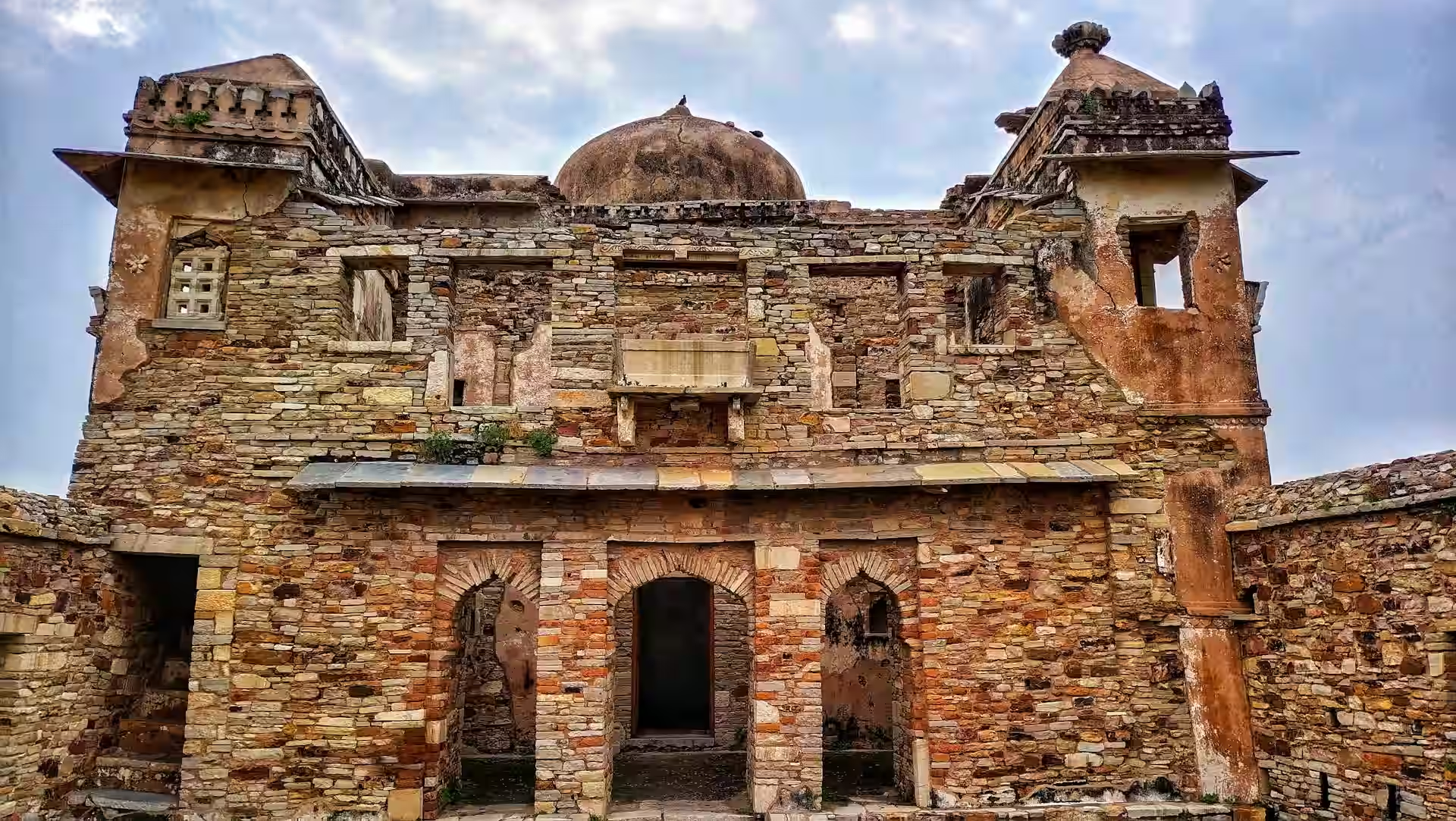
Nagzira Wildlife Sanctuary
Forested hills and lakes in Gondia, known for gaur, leopards, and birdwatching.
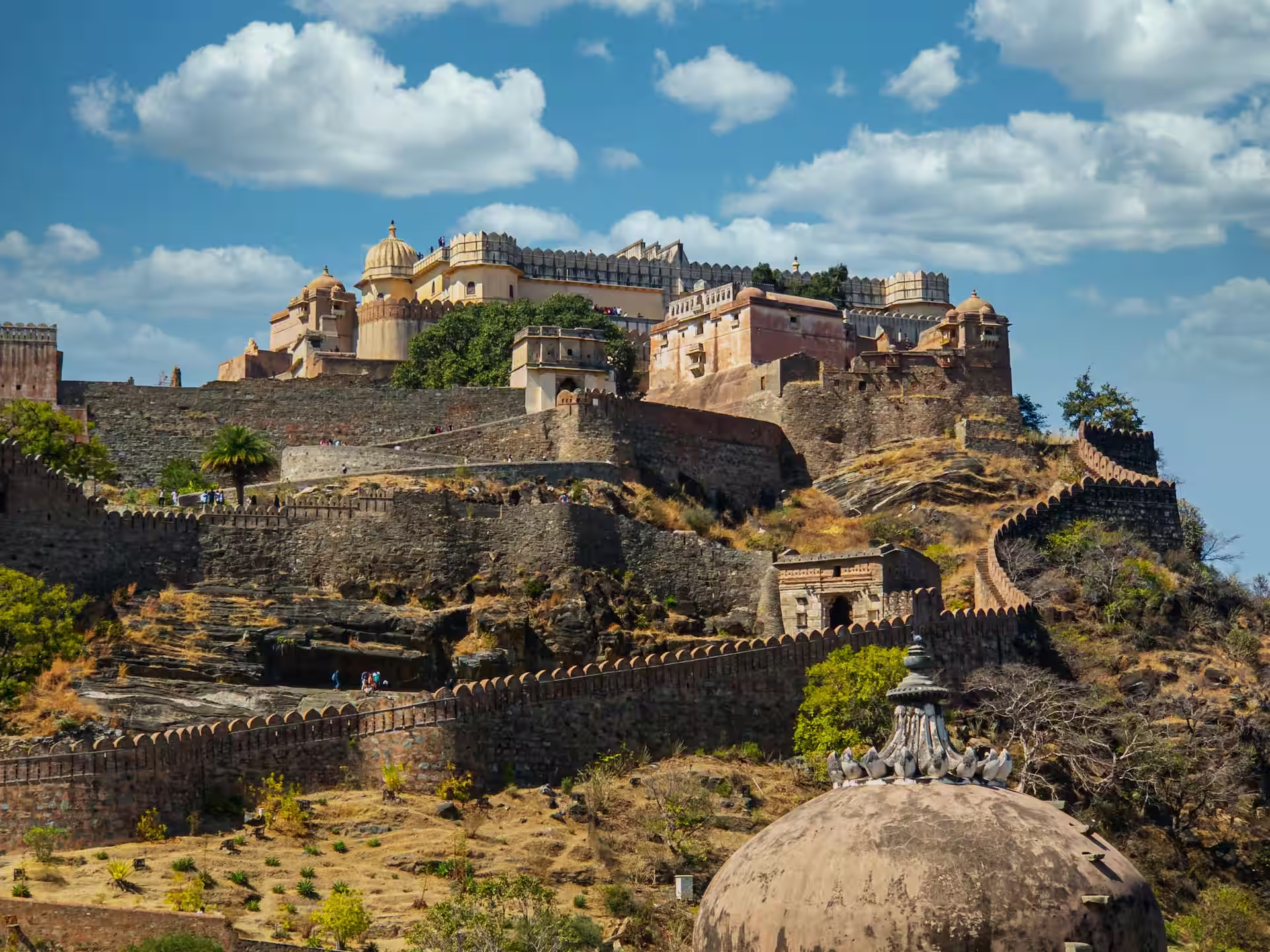
Melghat Tiger Reserve
Rugged Satpura hills in Amravati, home to tigers, sloth bears, and leopards.
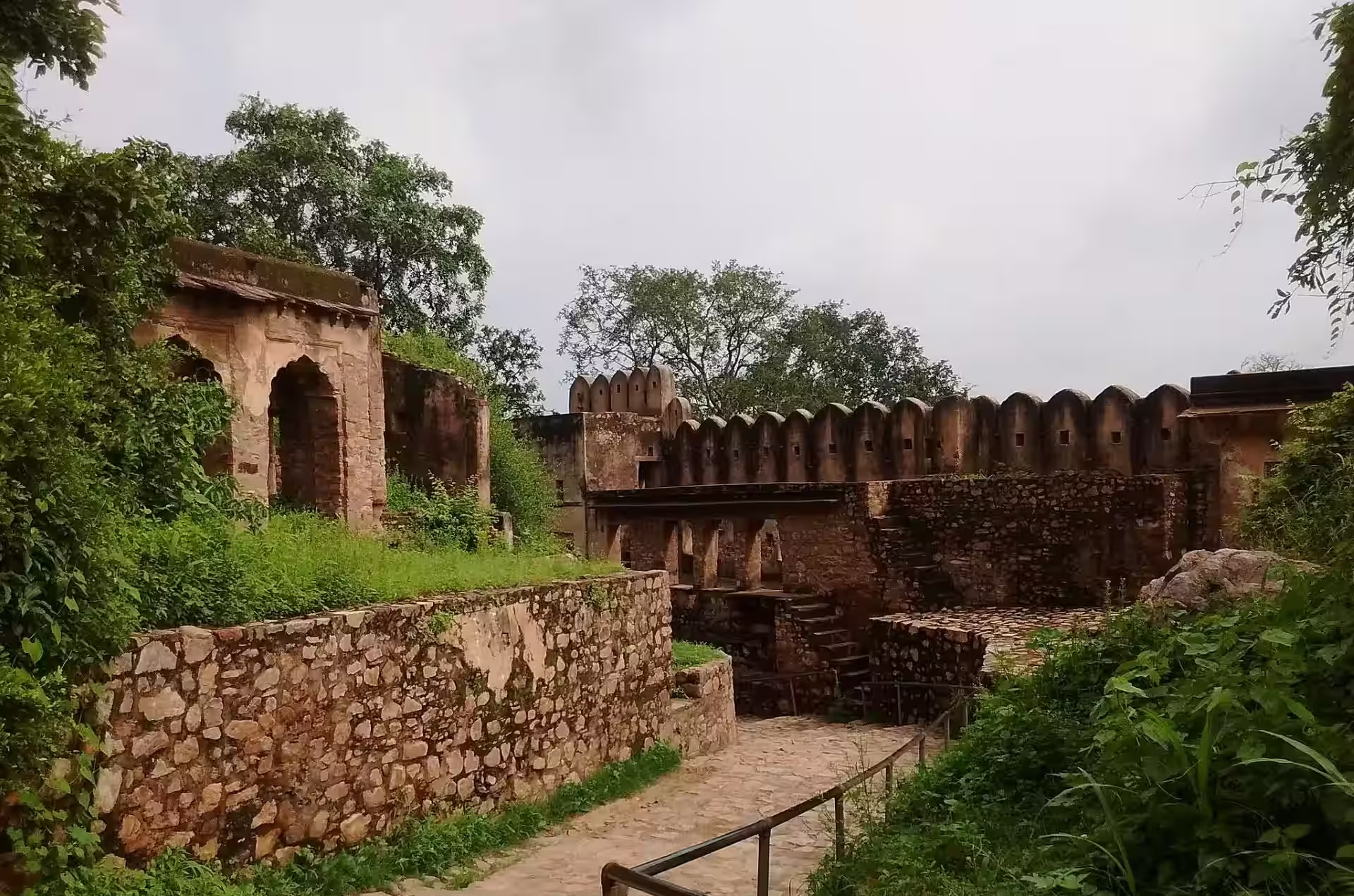
Sanjay Gandhi National Park
Forest reserve inside Mumbai, known for leopards, ancient Kanheri Caves, and city-edge hiking trails.
UNESCO World Heritage Sites
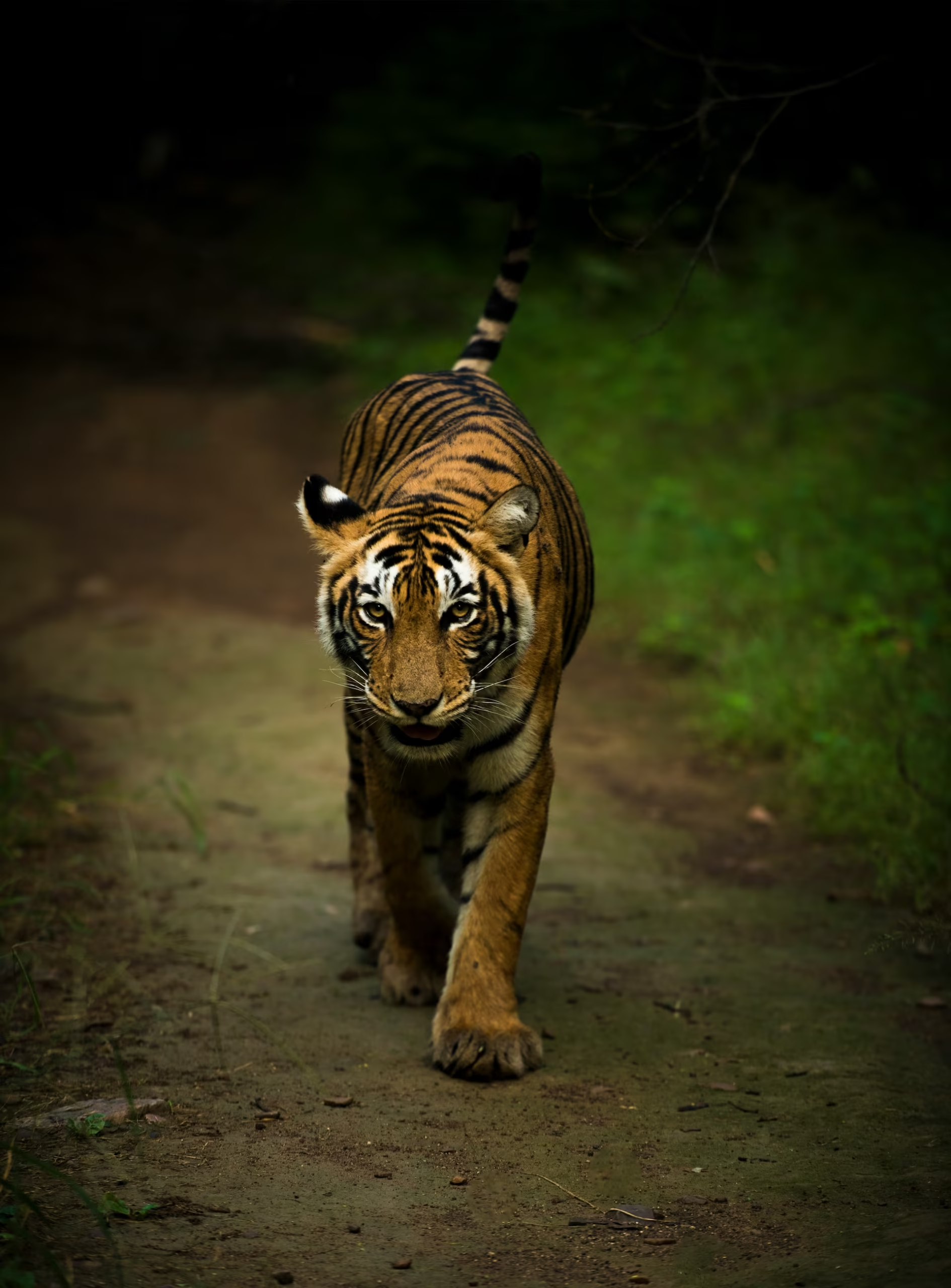
Ajanta Caves
Ajanta Caves, near Chhatrapati Sambhajinagar, are known for rock-cut Buddhist monasteries, ancient wall paintings, and carved prayer halls. This UNESCO World Heritage Site offers a rare look at India's early Buddhist art.
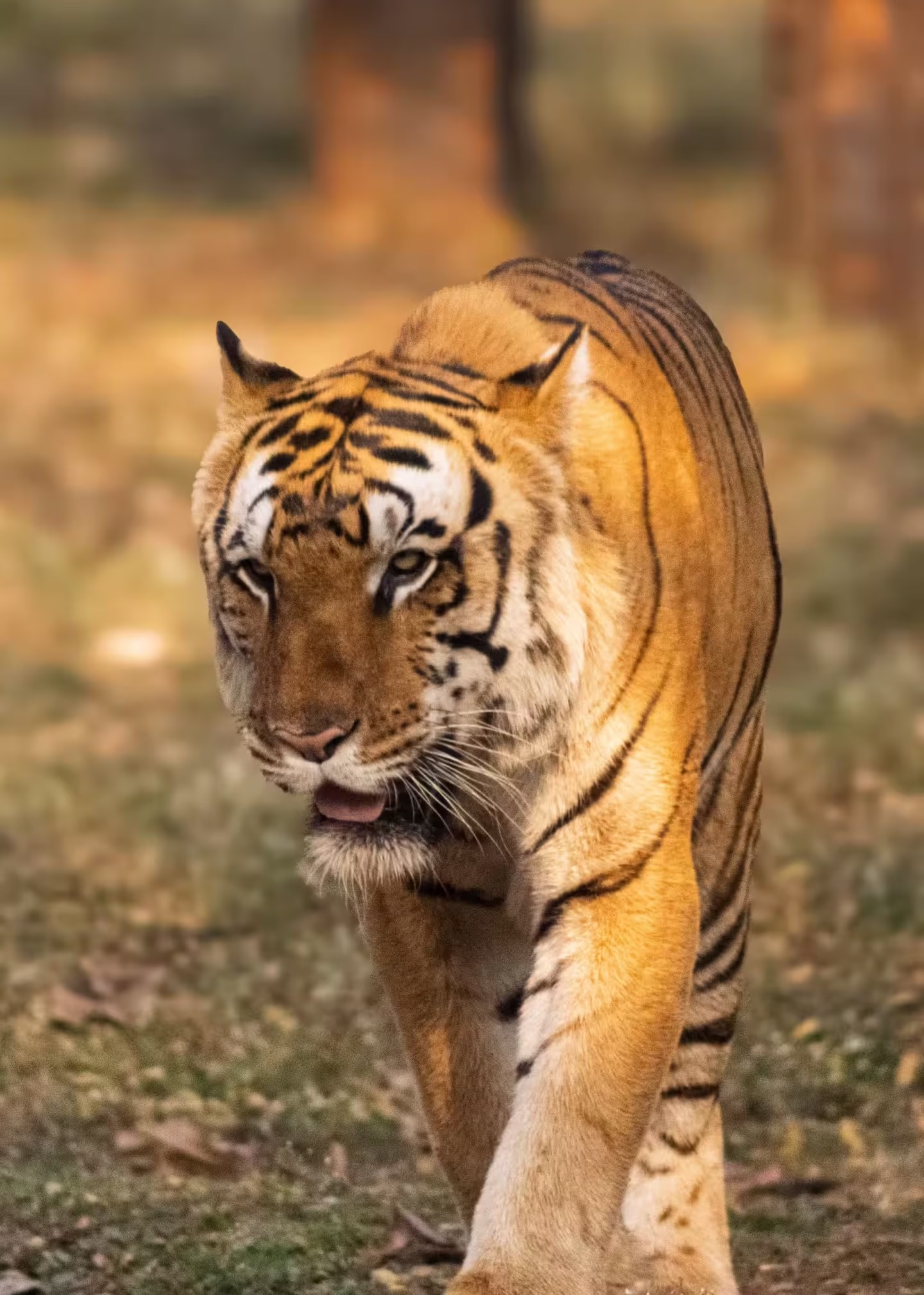
Ellora Caves
Ellora Caves, near Chhatrapati Sambhajinagar, are known for the Kailasa Temple, carved from a single rock, and for Buddhist, Hindu, and Jain caves. This UNESCO World Heritage Site shows centuries of shared faith in one place.
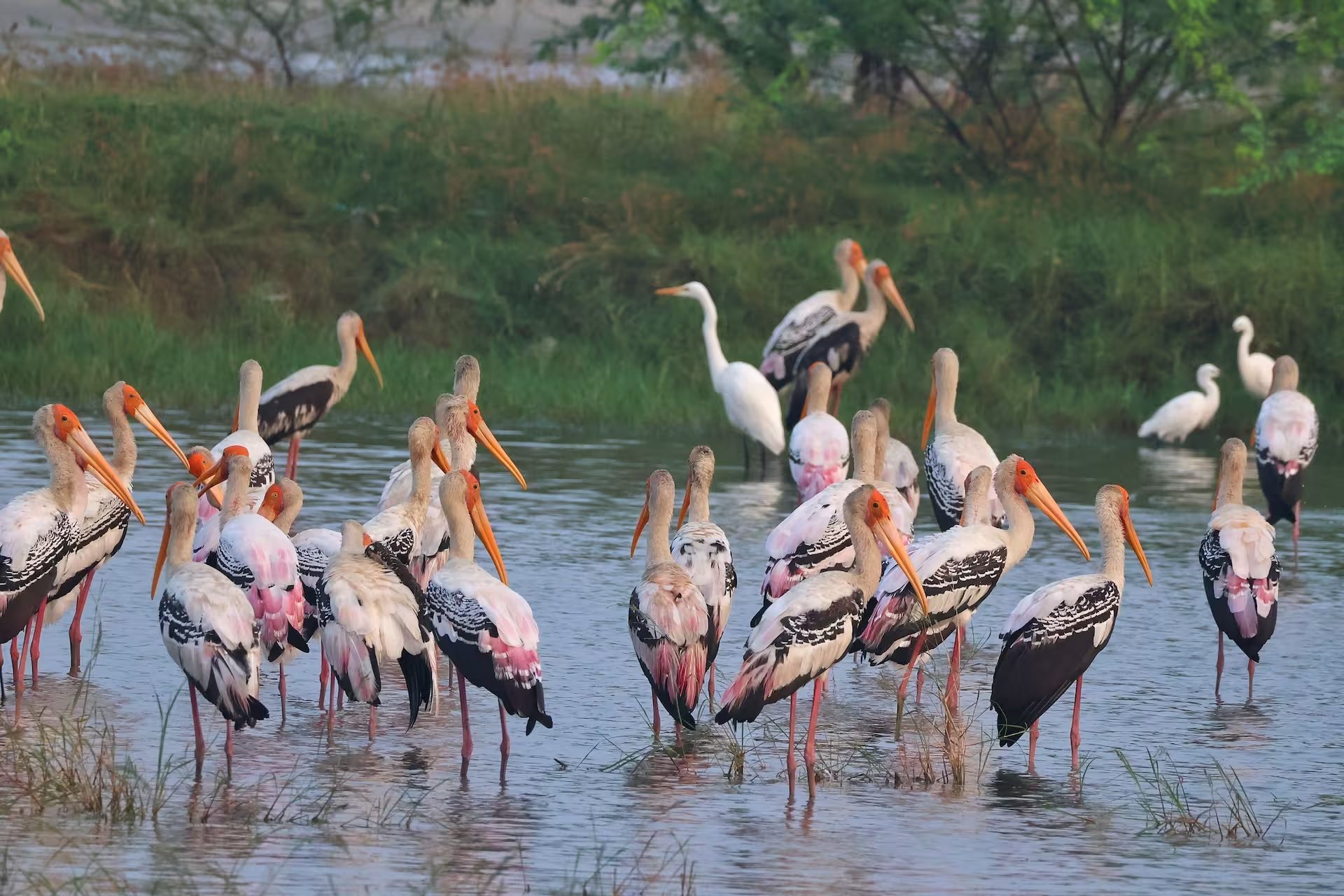
Elephanta Caves
Elephanta Caves, on an island in Mumbai Harbour, are known for rock-cut Shiva temples and the grand Trimurti sculpture. This UNESCO World Heritage Site is a short ferry ride from the Gateway of India.
Natural Landscapes & Scenic Attractions
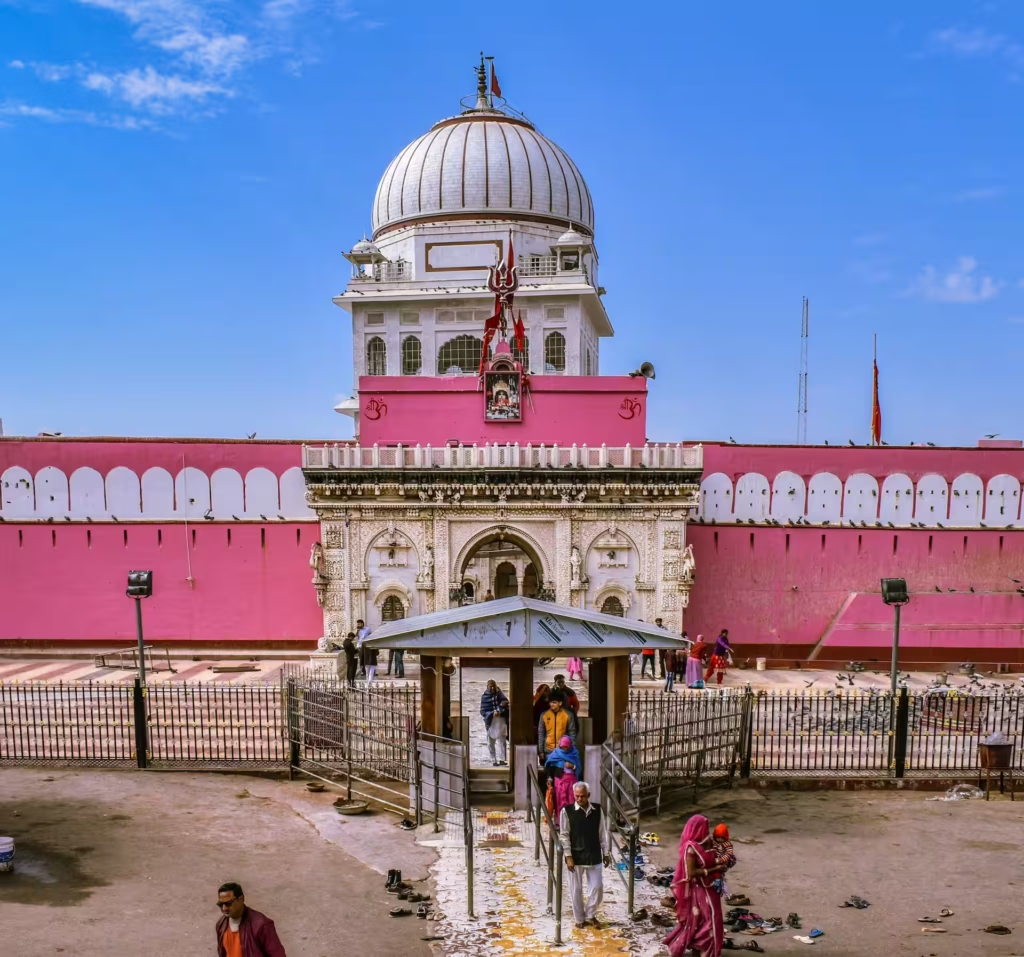
Mahabaleshwar
Mahabaleshwar, a popular hill station in the Sahyadri range, is known for strawberry farms, Venna Lake, and sweeping valley viewpoints. It offers a cool escape from the heat of western Maharashtra.
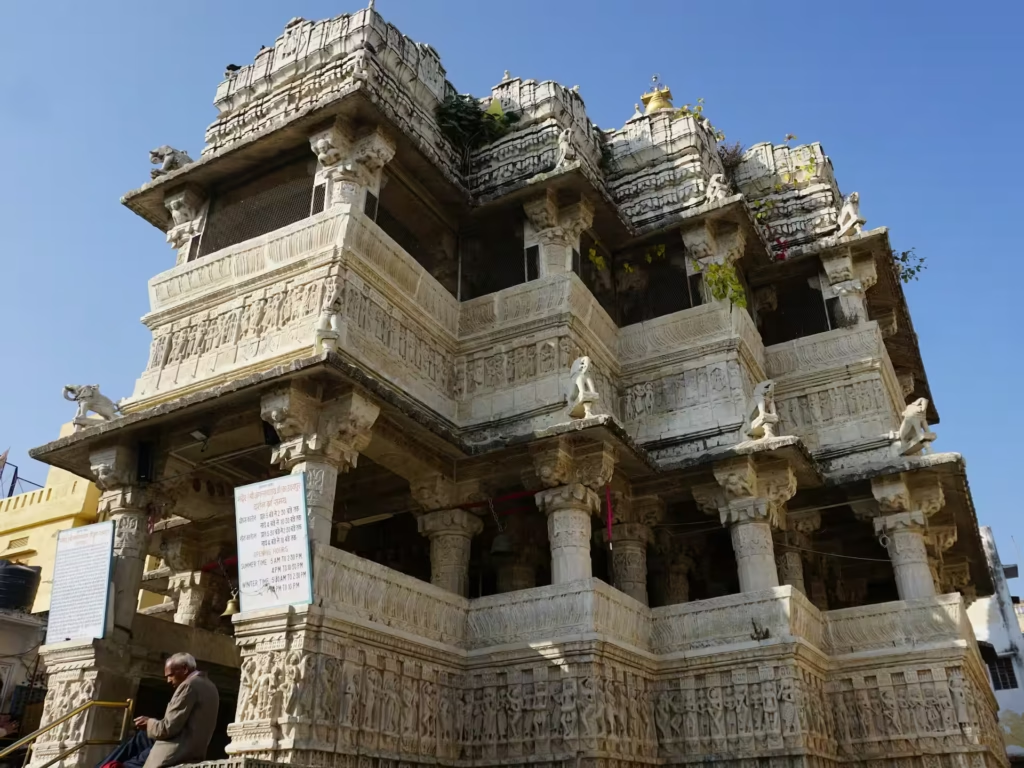
Lonavala & Khandala
Lonavala and Khandala, twin hill stations in the Sahyadri range, are known for misty valleys, waterfalls, and ancient Karla and Bhaja caves. They offer a refreshing escape from Mumbai and Pune.
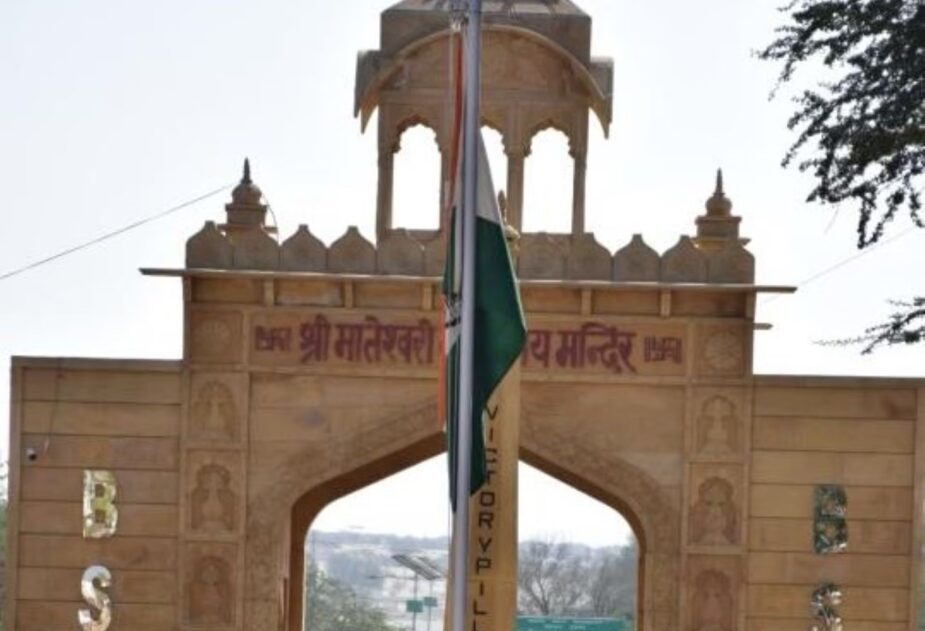
Konkan Coast (Tarkarli and Ganpatipule)
The Konkan Coast, along the Arabian Sea, is known for quiet beaches, coconut groves, and Sindhudurg Fort. Tarkarli and Ganpatipule offer clear water and fresh seafood.
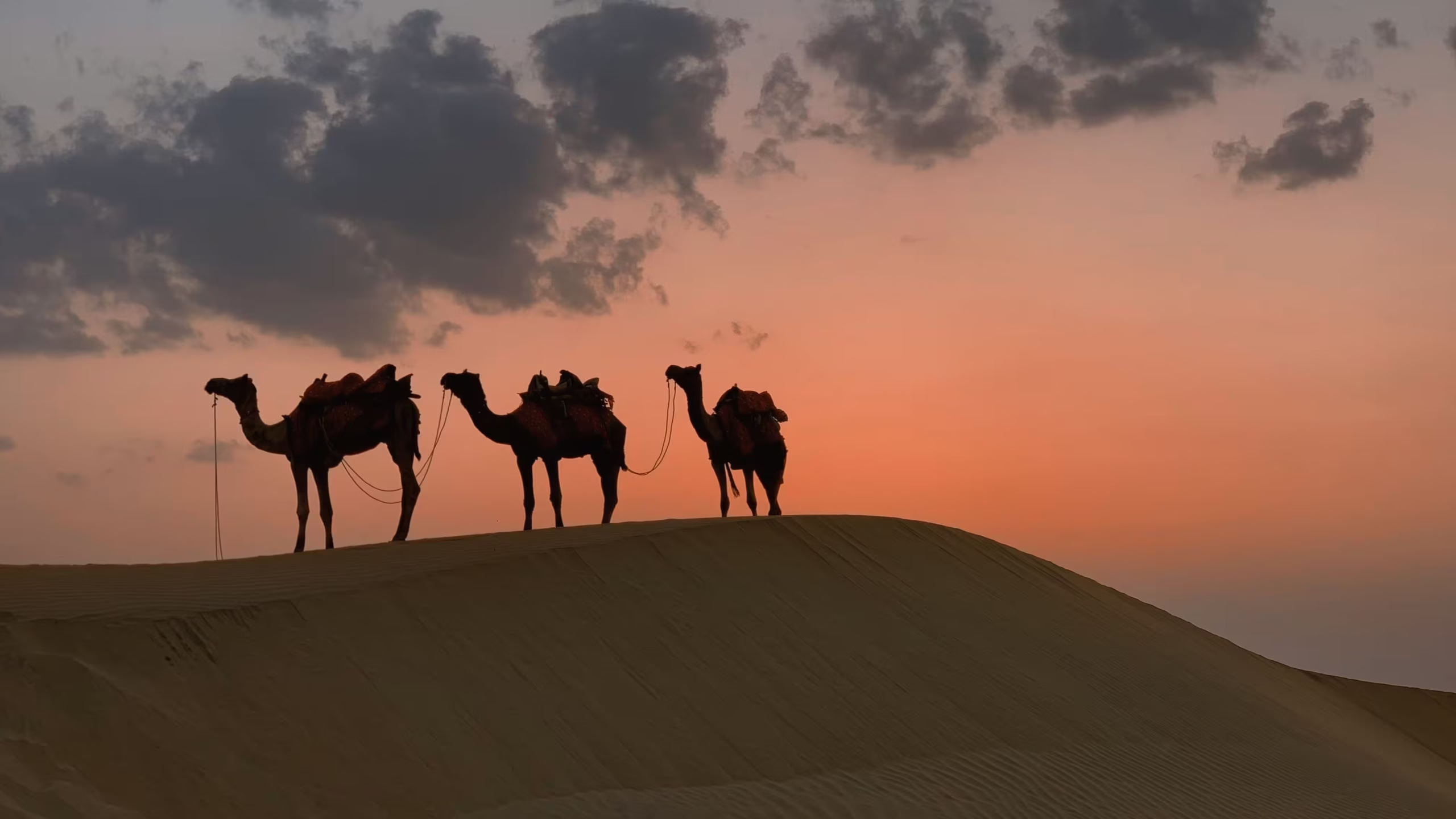
Things to Do & Activities in Maharashtra
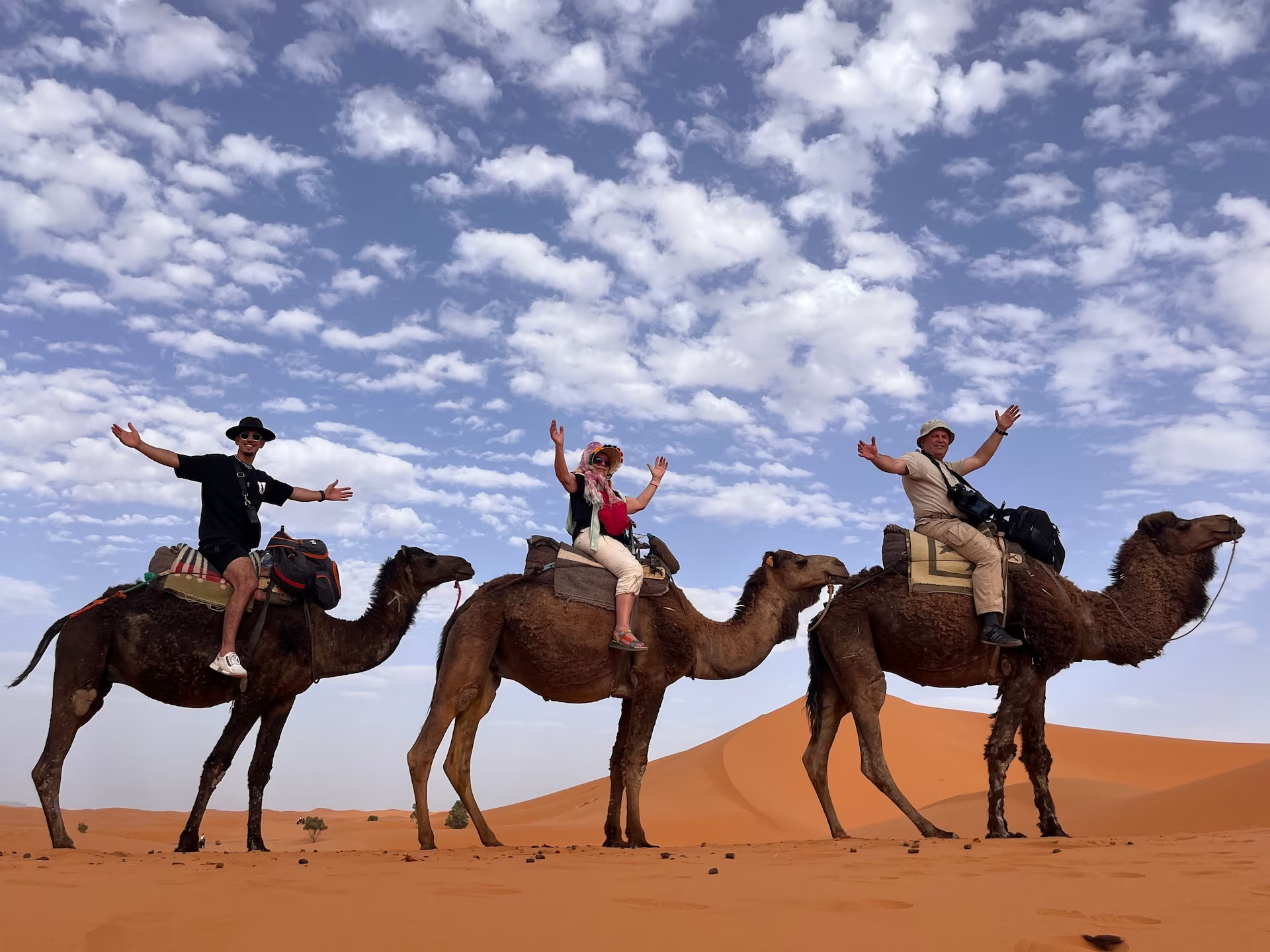
Cave and Heritage Walks
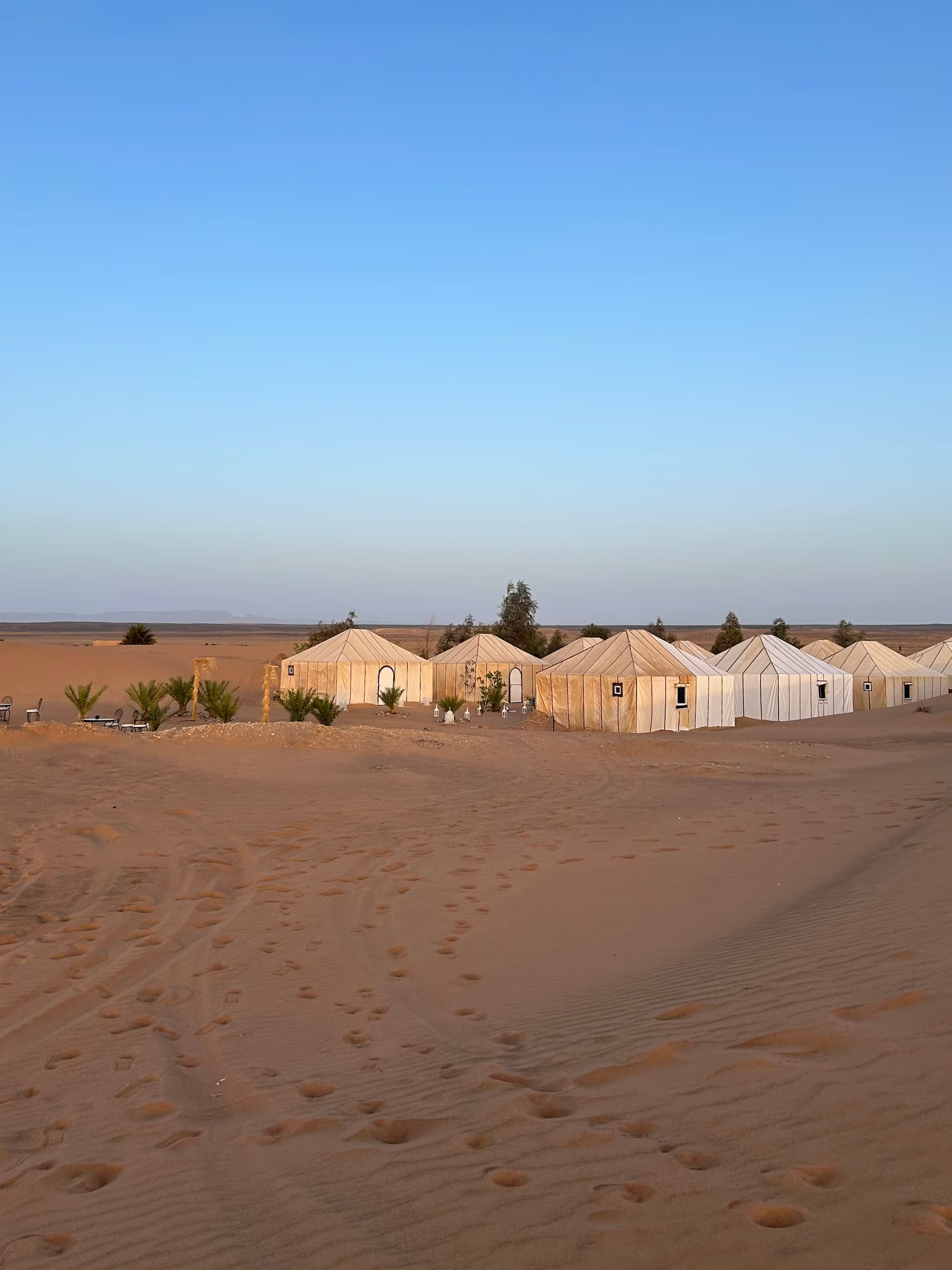
Tiger Safari
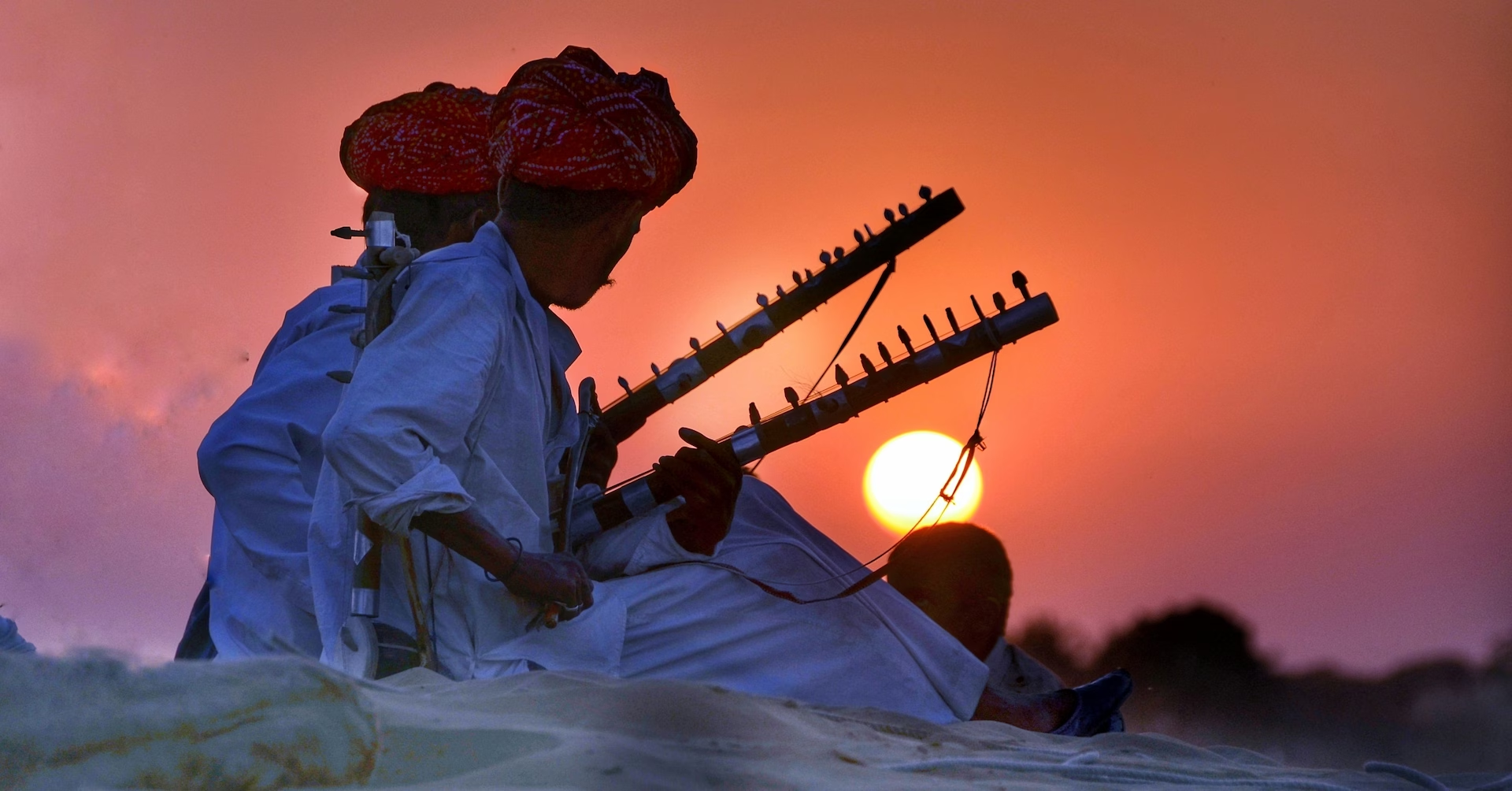
Paragliding
Festivals, Fairs & Living Culture
Maharashtra’s culture is alive through its festivals:
- Ganesh Chaturthi (Mumbai and Pune)
- Ellora Ajanta Festival (Chhatrapati Sambhajinagar)
- Kala Ghoda Arts Festival (Mumbai)
- Pandharpur Ashadhi Wari
- Nashik Kumbh Mela (Simhastha)
Traditional folk forms like Lavani and Koli dance are widely loved across the state, with the Ajanta Caves, Ellora Caves, and Elephanta Caves listed by UNESCO as World Heritage Sites.
Best Time to Visit
October to March
This is the best time for sightseeing and wildlife viewing. The weather stays pleasant, and tiger reserves remain fully open. Ajanta, Ellora, and the Konkan beaches are most comfortable during the cooler months.
April to June
These months work well for tiger sightings at Tadoba and quieter travel. Days are hot, but you get fewer visitors. Wildlife gathers near water sources, and hill stations like Mahabaleshwar offer a cool break.
July to September
The monsoon season brings fresh greenery, especially in the Sahyadri hills around Lonavala and Mahabaleshwar. Waterfalls flow strongly, and the Kaas Plateau blooms with wildflowers. Most tiger reserves limit or close safaris during these months.
Frequently Asked Questions
What is the best time to visit Maharashtra?
October to March is the best time for sightseeing and wildlife. The weather stays pleasant and tiger reserves are fully open. The monsoon brings green hills and waterfalls, but most safaris close.
Which are the best national parks in Maharashtra?
Tadoba Andhari Tiger Reserve is the most popular for tiger sightings. Melghat, and Nagzira are also good choices. Sanjay Gandhi National Park sits inside Mumbai.
Which UNESCO World Heritage Sites are in Maharashtra?
Ajanta Caves, Ellora Caves, and Elephanta Caves are the best-known sites. Mumbai also has the Chhatrapati Shivaji Maharaj Terminus and the Victorian Gothic and Art Deco ensembles
How many days are enough to explore Maharashtra?
Seven to ten days work well for a first trip. You can cover Mumbai, the Ajanta and Ellora caves, and one tiger reserve. Add a few more days for hill stations or the Konkan coast.
How do I travel around Maharashtra?
Mumbai and Pune have the main airports, and Nagpur is the best base for tiger reserves. Chhatrapati Sambhajinagar is the gateway to the caves. Trains connect major cities, and private cars suit remote areas.